
Bookshelf: Books and Documents

Field Trips
General Advice and Tips
Any time and energy you put into arranging logistics before you go on a field trip will pay off greatly the day of the trip. This includes, but is not limited to, the following:
Make sure permission slips are signed and returned by the parents.
Plan the timeline of the day carefully (including restroom breaks). Remember that moving around anywhere with a large group of children will almost always take longer than you think it will.
Have exact dates, times, locations, and contact information available to parents.
Arrange transportation, including assigning seats if desired.
Find a sufficient amount of parent chaperones.
Decide (or find out from the program coordinator at the location) if you will need to break into groups at any point. If so, have those groups made beforehand and be proactive about grouping students in a way that minimizes misbehavior or relational drama.
Be very specific with students and chaperones about the behavioral expectations of the day. Below are a few examples to consider:
Awareness of surroundings (safety hazards, presence of traffic, respect for other people)
Attentiveness (paying attention to the leader or guide, asking questions, staying together)
Appropriate behavior (particularly if visiting a somber or sacred destination)
Be prepared with emergency items such as a first-aid kit, a Ziploc bag or plastic container in case anyone gets carsick, wet wipes, a sewing kit, and hand sanitizer.
Inform and prepare students for what they are going to see. Make sure they are educated about the history or science of it. The more they know ahead of time, the more interesting it will be for them.
Especially if you will not have a guide provided by the establishment, consider visiting the location yourself prior to going on the trip. This ensures a proper knowledge and ability to lead a group through the destination.
Encourage thankfulness by modelling it yourself (or prompting students). Thank the people working at the establishment. Thank the bus driver and the parent chaperones. Thank the students for behaving well.
Resources
An example of a school’s policy for teachers planning a field trip: Teacher Expectations for a Field Trip - The Dock for Learning
An example of a school’s policy for a multi-day senior trip:Senior Trip Policy - The Dock for Learning
Advice about planning a field trip to Washington DC:Field trip to Washington DC - The Dock for Learning
Field trip suggestions for southeastern Pennsylvania:Field Trip Suggestions - The Dock for Learning
Virtual field trips:Virtual Field Trips - The Dock for Learning
Sources
Eight Field Trip Edicts by Deana Swanson Eight Field Trip Edicts - The Dock for Learning
Teacher Expectations for a Field Trip by Jon Cassel Teacher Expectations for a Field Trip - The Dock for Learning

Planning Programs
Logistics to Consider:
Style: what genre of program do you want to present? A dramatic Scripture reading will have a very different tone than a humorous, story-based skit. You will want to take your students’ strengths and abilities into consideration, as well as community sensitivity.
Length: how long should your program be? Remember that if you want to include some singing, the spoken program part will need to be short enough to accommodate that.
Props/costumes: will your program require any props and costumes? If so, who will make or acquire them?
Class dynamics: do you have some shy students who will struggle with stage fright? Consider giving them no speaking roles, minimal roles, or choral roles (speaking in unison with one or more other students).
Practice Timeline
Most teachers find that somewhere between 2-3 weeks is the right amount of time to practice. The exception to this might be learning new songs to sing; depending on the difficulty of the songs, you may want to start learning them earlier in the year.
If you want students to be able to perform the program without reading from scripts (which is highly recommended), be clear about memorization deadlines. You may want to communicate those deadlines to parents as well so that they can hold their child accountable to practice at home.
Maximizing Practice Time
To avoid chaos, set clear expectations before practicing. Establish when students are allowed to talk, how they should act during times when they aren’t an active participant in the program, and the importance of them giving their best focus to the task at hand.
As the teacher, there are some things you will want to plan beforehand so that you don’t need to figure it out on the spot during your practice time.
Figure out where you want your students to stand on the stage and in what order. Then, line up accordingly before going onto the stage.
If you will have multiple standing arrangements, be sure you are giving your students adequate chances to practice transitioning to those arrangements.
If you are using multiple microphones on stands, plan which students will go to which microphones. Consider having back-to-back speakers go to different mics so that they can move into position while the person before them is still speaking. This eliminates dead time and helps your program run smoothly.
If you are using hand-held microphones, plan which students will use which microphones. Again, strategic planning of microphone movement can prevent your program from having lengthy silences while mics are being passed.
Teaching Presentation Skills
The speaker should always face the audience. Even in a skit where two characters are talking to each other, they should stand side by side so neither actor has their back to the audience.
Model what clear, deliberate speaking looks like. Remind students that good speaking in a presentation will feel slower and louder than their normal speaking voice.
If using microphones, train students in good mic use. (A microphone only helps if it’s being used properly!) Find out from your sound technician how close the mic should be to the speaker’s face and practice that way from the very beginning.
If you are not using microphones, train students to speak loudly and clearly from the very first practice. Whenever a student isn’t speaking loudly enough, stop them and have them start again. This may seem tedious or overboard, but there is very little point in presenting a program that can’t be heard or understood by the audience.
Establish where you want your students to look while they are presenting. This is especially important during choral speaking or singing—if students are expected to look at you, it will minimize distractions.
An Opportunity for Building Character
A program is a great time to develop character traits like humility and service in your students. Remind them of the purpose of doing a program—to share a message with others and to glorify God. Encourage students to focus on that instead of their own nerves or fears of performing poorly.
Sources
How to Plan a Program by Meghan Brubaker: How to Plan a Program – The Dock for Learning

Seating Arrangements
General Considerations
There is more than one good way to set up student desks. And beginning with one configuration doesn’t mean that it cannot be changed in the course of the year—or the day.
You can create rhythms in your classroom where certain scenarios dictate certain seating arrangements. Once you have established these rhythms, your students will be able to rearrange themselves quickly and with minimal disruption. (This is especially easy if your students are sitting in movable chairs versus more stationary desks). For example:
Sitting in rows for lectures
Spreading apart for taking tests
Sitting in a circle for reading class or class discussions
Sitting in pairs or small groups for activities or projects
Having students sitting in the right spots within a given seating arrangement can be a tremendous help in the classroom. Strategic student placement can help to avoid many distractions and potential disruptions.
Specific Tips and Tricks
Watch out for classroom contradictions. For example, if you have all your desks in rows but you want students to interact with each other, you have a contradiction on your hands. You’ve set up the classroom for isolation, but the students are supposed to interact with each other.
Make sure that frequently-used items are accessible. (For example, don’t put your pencil sharpener right behind a desk).
Here are some guidelines that may be helpful in knowing where to seat “those” students:
A child who is struggles to focus may do better at the front of the room. There are fewer distractions between you and them, and it allows you to quickly and unobtrusively stand closer to them or tap their desk to regain his focus, even while you’re teaching.
Put the class clowns in the back corners. Part of their acting out is to get attention. They cannot do this as easily if they are in the back where most of their classmates cannot see them.
Place your most diligent students right next to the most distracting students.
If two students are close friends and like to communicate too often, put them in the same row with a student or two in between. This makes it difficult for them to make eye contact.
If a child has significant academic struggles, consider putting them near your desk or workspace. This allows you to be near to offer support and keep an eye on them to ensure they aren’t becoming overwhelmed.
Don’t be afraid to keep moving students around until you find something that works. If a poor seating arrangement is keeping learning from happening, it’s worth trying to overcome that obstacle!
Sources
Classroom Culture
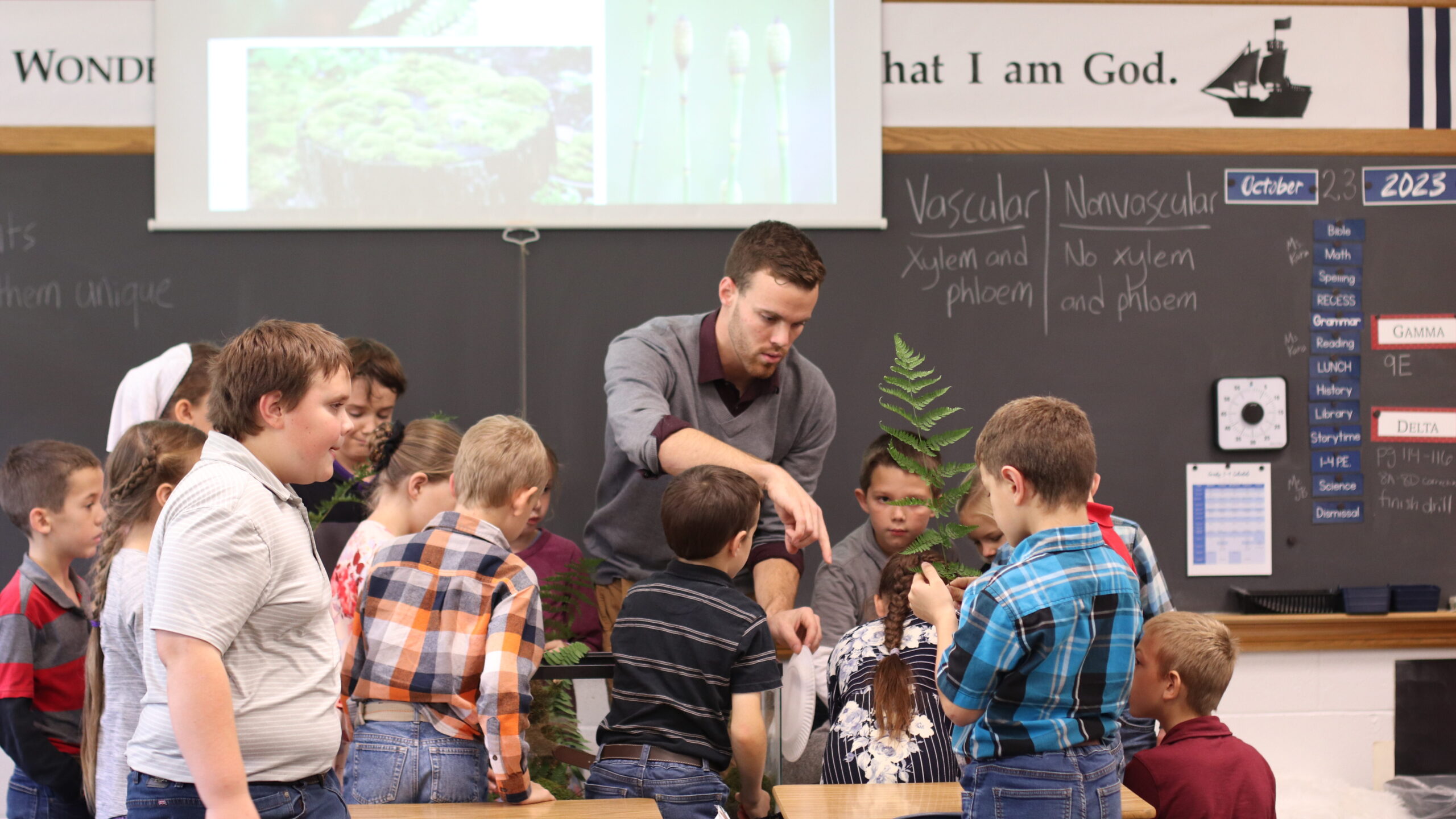
Classroom culture is a “hidden curriculum” or atmosphere that influences all aspects of school life and is shaped by beliefs, history, attitudes, practices, traditions, and relationships.
Culture is always present, and is influenced by parents, students, teachers, administration, and the community. As a teacher, you play a huge role in forming the culture of your own classroom, but you cannot always do much to change the culture of the school or community at large.
Hold students to a certain expectation. They don’t always know what is best for them. Or sometimes, even if they want good things, they will often give in to the human tendency to take the easy way out.
How to Build Culture
Cultivating a certain type of culture in your classroom starts with you as a teacher identifying what you would like that culture to look like. Spend some time considering what type of people you would like your students to be, what sorts of things you want them to value, and what you would like the environment of your classroom to feel like. For example:
God is talked about often
Learning is rigorous
The atmosphere is one of joy
Everyone is respected and included
All students are given what they need to be successful
After you have determined what sort of culture you desire to have, you can develop practices that will encourage that type of culture. Think of specific things you can do to shape your students in that way or ways you can encourage it to keep growing if it is already present. These may be things that you as a teacher do/say, or they may be things you require of your students.
Remember that culture is shaped through small, thoughtful actions and often takes patience and perseverance.
Sources
Enjoying School, Delighting in God: Classroom Culture by Joseph Shantz Enjoying School, Delighting in God: Classroom Culture - The Dock for Learning
Components of Classroom Culture by Anthony Hurst Components of Classroom Culture - The Dock for Learning
Cultivating Classroom Culture by Darlene Zimmerman Cultivating Classroom Culture - The Dock for Learning

Cheating and Academic Integrity
Define cheating. In the case of written work, explain what plagiarism is, why it's wrong, and how to avoid it. This is especially important for students who struggle with irrational guilt due to an overly sensitive conscience.
Use a pre-test checklist. This ensures procedural consistency and reinforces guidelines and expectations.
Control the environment. Prevent opportunities to cheat by thinking ahead and eliminating temptations in advance.
Before passing out tests, double check your board and classroom walls to make sure that no answers are available anywhere.
Arrange students so that no one has a direct view of anyone else’s paper during a test.
Collect study sheets or test reviews before administering a test.
Walk around the room during tests. Doing this every 10-15 minutes is infrequent enough to not be much of a distraction, but frequent enough to keep students accountable.
Never sit at your desk and work while your students are taking a test. Stand at the front or back of the room, or sit on your desk facing the students.
Know where to look. Research and understand the most common methods for cheating—notes inside pockets or desks, study guides on the floor, giving answers to other students orally, copying answers from another student, etc.
Bring the receipts. Don’t accuse a student of cheating unless you are confident that you can support the accusation with evidence.
Walk in love. If you catch a student cheating, be gentle, encourage the student to confess, and be quick to forgive.
Promote repentance with restitution. Give the student a chance to make amends by redoing the assignment correctly (usually with a points deduction for the initial offense) or by completing additional work.

Sportsmanship
Good sportsmanship contains the following core elements:
Empathy—good sportsmanship requires actively understanding and feeling others’ perspectives and emotions.
Respect—good sportsmanship treats all with dignity, valuing their efforts and varied abilities.
Fairness--good sportsmanship involves adhering to rules and responding gracefully regardless of the outcome of the game.
General guidelines of good sportsmanship to instill in students:
Be courteous to everyone
Don’t brag
Compliment both teammates and opponents
Learn and play by the rules
Follow teacher/umpire directions
Don’t blame others for the outcome of a game
Share positions
No cheating
Cheer all teammates
Be a team player
Play hard
Embrace competition
Establish expectations before leaving the classroom to play. Emphasize that the most important thing is to create an environment where everyone can have fun. Second in importance is to learn team skills (a vital life skill). When those two things are in place, healthy competition can thrive.
Consider involving students in a wide range of games and activities. Along with learning how to play basketball, softball, soccer, and volleyball, they can also experience flying kites, playing croquet and badminton, and taking nature walks. The more competitive and athletic students may balk at this, but it is a chance for them to develop character in participating well in a physical activity they don’t prefer (which is something the less athletic students need to do often).
Remember that everyone feels comfortable trying to do their best in an encouraging, non-threatening environment. That is more important than having students feel shamed, embarrassed, and humiliated just because of a silly ball. Teaching students how to be part of creating a respectful and positive environment develops the beautiful qualities of kindness and patience.
Sources
Teaching Sportsmanship by Jonathan Miller: Teaching Sportsmanship - The Dock for Learning
Why Everyone Gets to Hit and Make It to First by Deana Swanson: Why Everyone Gets to Hit and Make it to First - The Dock for Learning
Winning and Losing Successfully by Nathan Yoder: Winning and Losing Successfully - The Dock for Learning
Student Relationships
General Advice
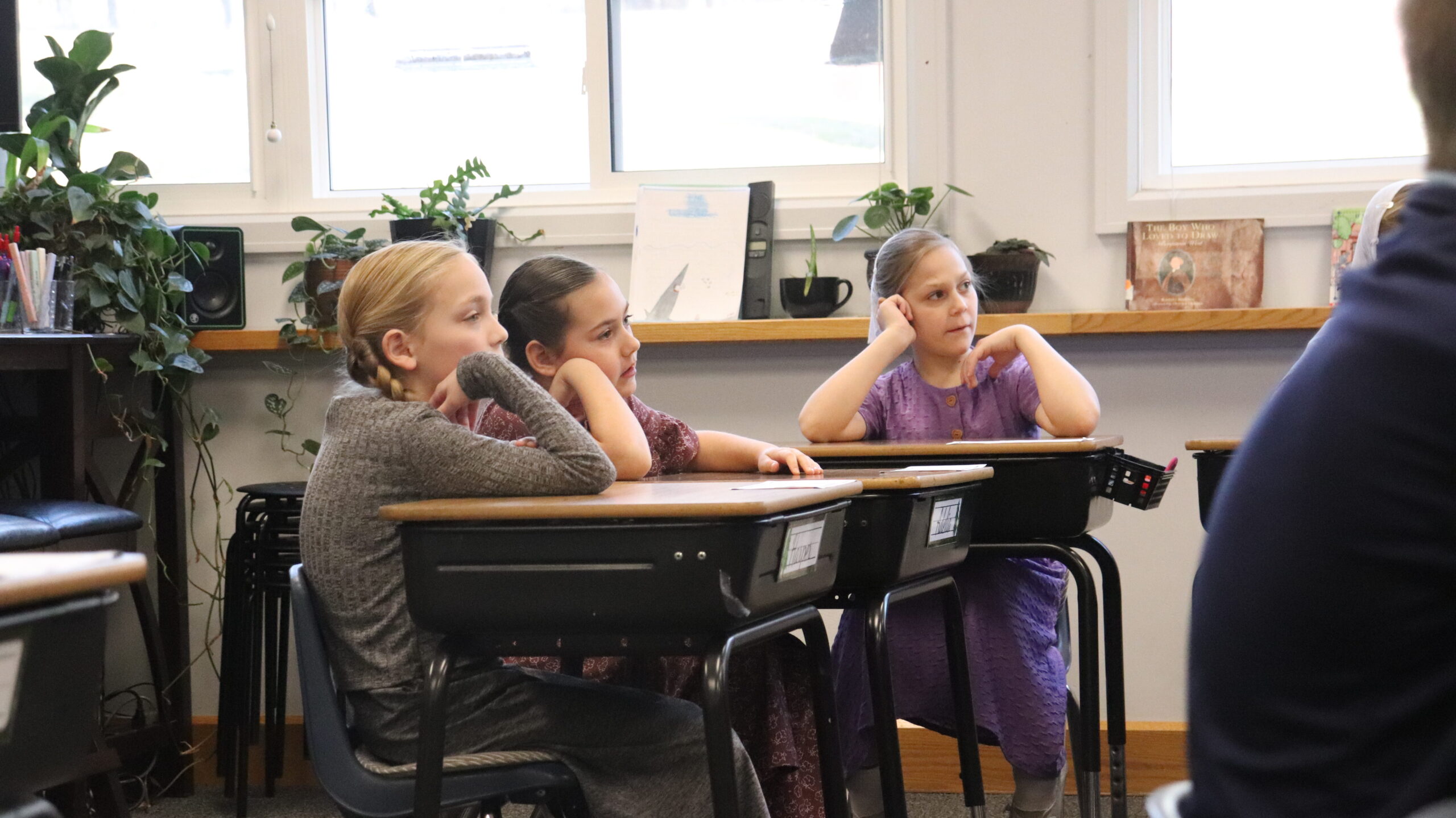
Helping students learn to relate to each other well can be a daunting and exhausting task. But it’s an important one. In these formative years, they are building relational habits that will stick with them for the rest of their lives. You can be a loving adult who helps to shape them in the way of Jesus.
Sometimes the best approach is to address issues head-on with the whole group. Have a class meeting and discuss your concerns with the whole class. Ask them to share their ideas for getting along. Give them practical, actionable steps.
Require that offended students report complaints respectfully. You can even practice how this looks. Loudly proclaiming grievances in front of the whole class is not an option.
Remember to care about a hurting child’s heart. Listen carefully to the core pain behind the anger or tears and affirm that how they feel matters. Genuine care with words like, “I am so sorry you felt disrespected,” or “What she said about you is not true,” help to heal heart wounds. Everyone needs to know that what they feel matters, including children.
Ways to Be Proactive
Set expectations of how students are expected to treat others early in the year, and review throughout the year. This may include things like the following:
Respect others. This includes respecting their property, contributing to a learning environment free from distractions, refraining from rude jokes or names, and honoring a variety of ability levels within classmates.
Respect yourself. Avoid “I can’t” negativity, complaining, and self-ridicule. This makes it hard for others to enjoy being around you.
Respect teachers/authority. Teachers will make mistakes at times, too; give them grace.
Be aware of the dynamics within your classroom and monitor hotspots accordingly. Sometimes a teacher being present is all it takes to prevent issues.
Younger students may benefit with role-play to show how they should interact with each other at recess. You could use another adult, a doll, or pictures to help with the role play. Explore questions such as:
How can we include others?
What can we do if someone is left out?
How can we be a good friend?
What do good friends do?
What can I do if I want to play with someone?
Responding to Conflict
It’s a good idea to address any cliques that form. Create an environment that encourages class-wide interaction and champion inclusivity over separation.
As much as possible, limit discussions about disagreements to those involved. If your schedule allows, plan that students have something they can work on independently after they come in from recess, such as penmanship or a fact sheet. This gives you time to deal with recess issues when they arise by stepping out of the classroom with those involved.
Pursue direct interaction between the offended and the offender. Follow the Matthew 18 directive and facilitate discussion between students who have had a relational rift. Be sure you are hearing both sides of the story. This may happen one-on-one before the group discussion, or you might relate aloud what you heard the offended student say to you and ask the child if you accurately conveyed what he is feeling. When speaking to the offender, it works much better to approach him with, “Can you tell me what happened?” rather than assume Child A told the full story.
Require eye contact during apologies. This is an important life skill and helps to usher in the correct heart posture. Also have students verbalize the underlying offense such as, “I am sorry for not respecting you,” rather than a meager “Sorry.” It is okay to wait until later in the day or even the following day to apologize. The Shepherd actively speaks to their hearts and He alone can prepare them to speak out of genuine repentance.
There are times to step back and allow students to work things through themselves. Sometimes an adult getting too involved in children’s conflict can actually make the situation worse. A lot of wisdom is needed in deciding when to engage. You might just call two students to you and say, “I noticed you had a disagreement. I trust the two of you to be able to figure it out. If you can’t, I’m here to help.”
Compel students to take personal responsibility for their own actions. Phrases that may be helpful include:
“I know that’s what he did, but we’re talking about you right now.”
“I’m sorry she treated you that way. That wasn’t okay. But you’re not responsible for her actions. All you can control is how you respond.”
“Right now I want you to only say what you did wrong. Who is strong enough to start?”
“Jesus knows you better than you know yourself, and He knows the way to true life and happiness. And so if He says responding in love to those who hurt us is the best way, then we need to take Him seriously. What do you think loving Student B looks like in this situation?”
Guide students in finding concrete, actionable steps towards resolution. Give them practical ways they can respond in love to those they are struggling to relate to. Suggest proactive ways they can be kind, appropriate ways to respond when feeling angry, or ideas for how to relate well to a difficult individual.
Sources
Building Relationships by Nathan Yoder: Building Relational Skills - The Dock for Learning
Getting Along by Arlene Birt: Getting Along - The Dock for Learning
Transforming Squabbles by Betty Yoder: Transforming Squabbles - The Dock for Learning
Helping Young Girls Deal with Relational Drama by Meghan Brubaker: Helping Young Girls Deal with Relational Drama - The Dock for Learning
Positive Attitudes Toward Learning
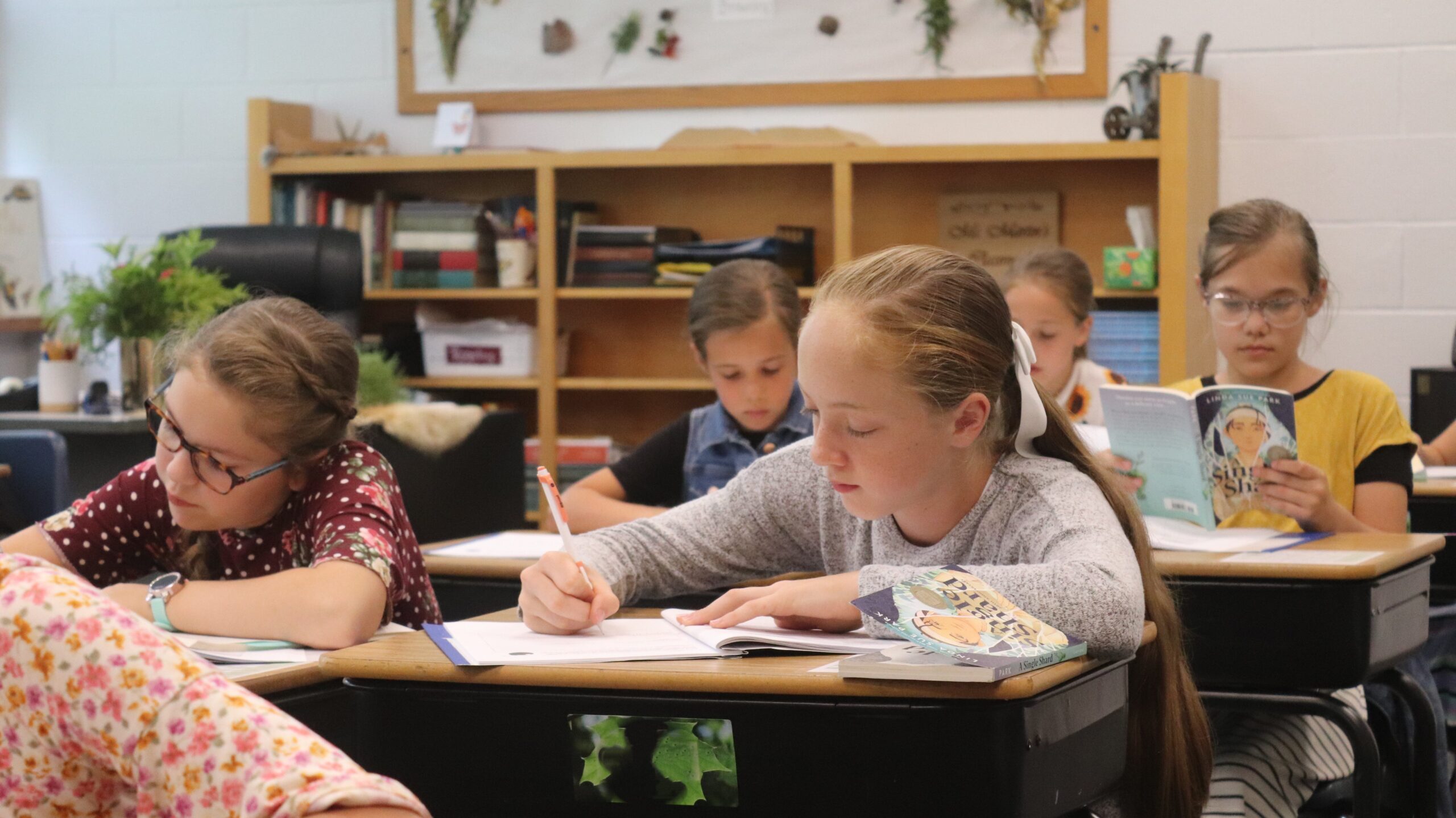
Addressing the Question “Why Do I Need to Know This?”
At some point, your students will ask the infamous question, “Why do I need to know this?” There are a variety of approaches that could be taken in the way you answer them. Here are some suggestions:
Offer concrete examples of how various subjects get used by adults in everyday life.
When will I use math?
Making a schedule
Measuring for construction
Keeping track of personal finances
Thinking through the steps of a problem
Figuring miles and gas mileage when traveling
When will I use English or grammar?
Writing a resume
Work communications, such as emails, reports, and presentations
Engaging with media and discerning what is true in it
Reading and understanding God’s Word
Reading manuals and following instructions
When will I use science?
Predicting the weather
Understanding medicinal issues
Agriculture, farming, and gardening
Personal health and hygiene
Food and nutrition
When will I use social studies?
As a missionary
Knowing where countries/cities/states are
Relating to people of different cultures
Awareness of historical events and how they affect current events
Relating to history of the Bible
Point out that even if students do not end up using the specific facts, the more general processes and thinking strategies are used often.
Math: The skills of logic and problem-solving are used all the time in real life. Even though the precise math book problems may not show up, the skills used to solve them certainly do.
English: Clear communication in writing, speaking, reading, or listening is essential to relationships, engaging with the culture around us, and expressing oneself clearly.
Science: Understanding how to examine a problem and experiment how to solve it is helpful in many areas of life.
Social studies: The knowledge gained through social studies allows Christians to relate well to the world and the varying cultures within it.
Push back against the assumption that everything that is worthwhile is useful. In fact, most of the best things in life are not useful, such as relationships. Many students would say their favorite part of the school day is recess, which is not useful.
Try to determine what is actually driving the question. Often a deeper issue is driving their wondering.
The student may feel confused. Students don’t ask “Why do I need to know this?” after they’ve gotten a lot of questions correct. They always ask it after they’ve gotten stuff wrong. This is a calling for you as a teacher to be clearer in your instruction and more inviting in your approach.
The student may not have fully developed the intellectual character trait of curiosity. Curiosity is noticing the interesting and puzzling both in the everyday experiences of life and in what’s unexpected. As students get older, they tend to lose the innate sense of curiosity that children are born with. As a teacher, make sure that you are involving students in the learning process so their curiosity can flourish. If you are spoon-feeding them everything instead of inviting them to explore it themselves, their curiosity will wither.
Help students understand with a metaphor. School is like weightlifting. People don’t lift weights because they often encounter barbells that they must lift in the course of their daily activities. People lift weights to grow stronger, enabling them to do things they could not otherwise do. Similarly, many of our learning exercises in school are important not for their own sakes, but for developing abilities that will later be applied to diverse situations.
Addressing the Comment “I’ll Just Google It”
Students may point out that there is no need for them to learn facts because they can just look it up on the internet. A comment like this shows several assumptions the student is making: that education is about information and education is about facts. But really, education goes much deeper and further than just “knowing stuff.” It involves learning what to do with that information.
Another assumption that a student is making is that they can readily discern between facts and fiction when they read something online. This shows a lack of humility, a character trait that you should actively work to develop in your students.
Teaching intellectual humility involves helping students to recognize their dependence on God and their nature as fallen. As a fallen human, they are not perfect in their pursuit of truth. They have false motives. They have poor processing sometimes. These things can mess up the pursuit of truth.
Helping our students grow in humility benefits them in many ways:
A growth of knowledge and insight—if they can rejoice when they’re proven wrong because they got to learn something, they will be a wiser and more well-rounded individual.
A widening of their worldview—a posture of intellectual humility makes their worlds richer and larger.
An increase in their influence—a refusal to see someone else’s point of view or recognize their own fallibility will hinder their influence.
Addressing the Comment “I Don’t Care”
Apathy is a manifestation of human nature, and teachers usually deal with it on some level. The only real solution is for students to discover for themselves the value of knowledge. There’s no switch you can flip to turn their apathy off, but we can encourage and direct students to apply themselves more fully to learning.
The statement “I don’t care” is generally a symptom of a deeper issue, such as:
Fear of failure—a student not engaging with the material may actually be afraid of failing. Help them to develop intellectual courage and an understanding that failure provides opportunities for learning and growth.
Misplaced priorities—the student may be saying that their outside life is more important than what is happening here. Help students connect learning to real life and also encourage them to take personal responsibility for making those connections.
Malformed love—the student is communicating that they love something else more than they love school. Students don’t need to love school itself, but there are things going on at school that ought to be shaping the loves of your students. Students get shaped by what happens repeatedly. Choose to implement practices that will foster in your students a love for learning and a yearning for a deeper understanding of God’s world.
Sources
Here’s Why by Karen Birt Here's Why... - The Dock for Learning
Why Do We Have to Know All This Stuff? By Peter Goertzen Why Do We Have to Know All This Stuff? - The Dock for Learning
Why Do I Need to Learn This? By John Mark Kuhns: Why Do I Need to Learn This? - The Dock for Learning
I’ll Just Google It by John Mark Kuhns: "I'll Just Google It" - The Dock for Learning
I Don’t Care by John Mark Kuhns: "I Don't Care" - The Dock for Learning
Caring About Apathy by Peter Goertzen: Caring about Apathy - The Dock for Learning
Study Skills
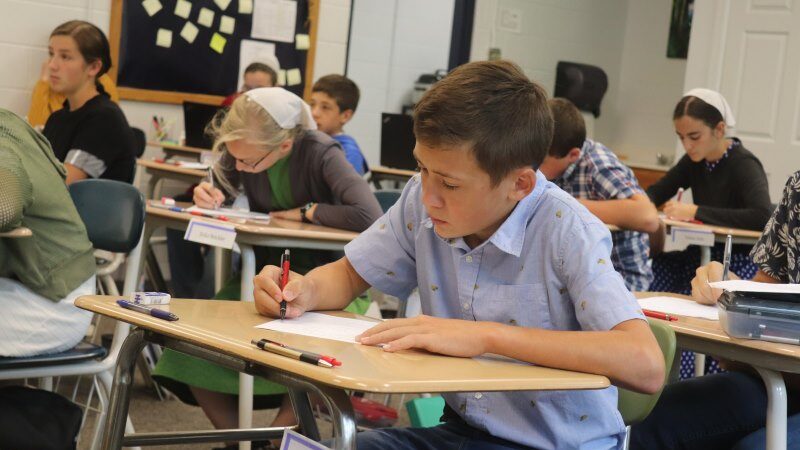
It can be easy to assume that students intrinsically know how to study information effectively, b that is often not the case. There is a lot of value in making sure these work habits are explicitly taught, not merely “caught.”
Consider asking students the following questions to enable them to self-assess their study skills and to give you valuable information about how to best instruct them:
Who taught you how to study?
How do you decide what to study next?
Do you ever come back to review the material after the class has ended?
What study methods do you usually use?
How do you know your preferred study methods work?
Study strategies to teach to students:
Low-stakes (or better yet—no-stakes) quizzes are one excellent way of having students practice retrieving information from their long-term memory. Continuing to periodically quiz students on skills they have learned throughout the year will solidify the knowledge in their long-term memories for many years to come.
Regardless of the method used, the goal is to strategically space the studying out so that the information is not altogether lost from memory but that students do need to work to remember the content. This is the “sweet spot” that optimizes the storage of information in long-term memory.
Any study strategy that does not require a student to actively think about or retrieve information tends to be relatively ineffective (this includes the very common studying approach of simply rereading notes or a textbook). Instead, teach students how to study in ways that require actual recall from their memory. This may include the following:
Delete or cover main concepts and terms from notes, then require yourself to fill in the blanks
Teach content to a mirror
Write down everything you know from memory, then compare it to your notes
Make flashcards of key content
Make a self test (better yet, have a friend do the same and switch tests)
A helpful guide in teaching students good note-taking techniques: How to Take Good Notes - The Dock for Learning
An overview to teach students to comprehend what they’re reading: How to Read: Improving Reading Comprehension - The Dock for Learning
Sources
Study Smarter and Harder by Chris Brode: Study Smarter and Harder - The Dock for Learning
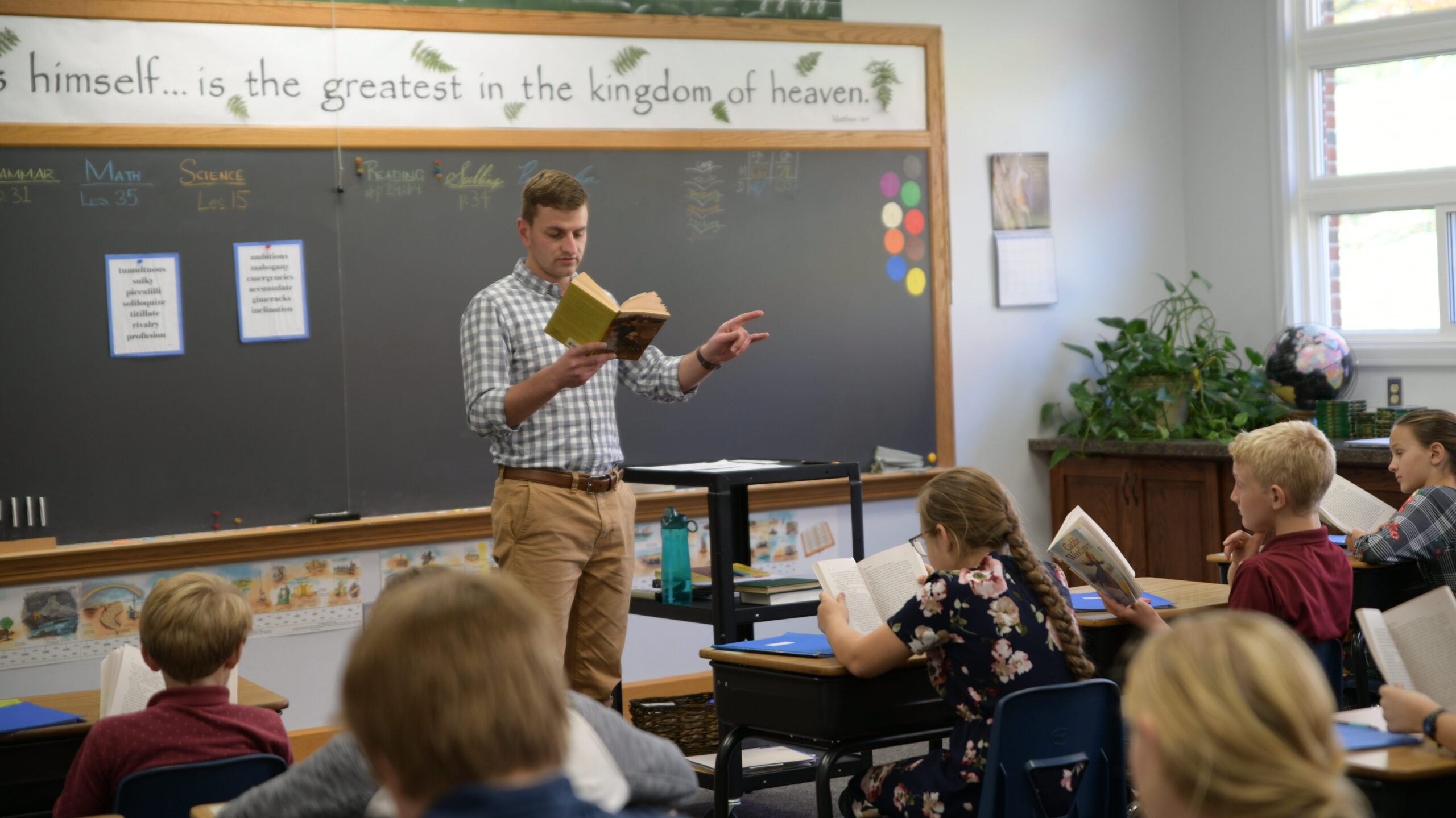
Book Recommendations: Read-Alouds
Chapter Books
Little House series by Laura Ingalls Wilder
Treasures of the Snow by Patricia St. John
The Adventures of Peter Cottontail by Thorton W. Burgess
The Bears on Hemlock Mountain by Alice Dalgliesh
A Question of Yams by Gloria Repp
Through the Green Gate by Mabel O-Donnell
Charlie and the Chocolate Factory by Roald Dahl
Mr. Popper’s Penguins by Richard and Florence Atwater
Misty of Chincoteague by Marguerite Henry
Young Prince Huburt by Sidney Baldwin
Amos Fortune, Free Man by Elizabeth Yates
The Copper Kings of Montana by Marian T. Place
Naya Nuki, the Girl Who Ran by Kenneth Thomasma
The Youngest Rover by John H. Amory
All the Glimmering Stars by Mark T. Sullivan
Where the Red Fern Grows by Wilson Rawls
The Phantom Tollbooth by Norton Juster
The Tale of Despereaux by Kate DiCamillo
A Long Walk to Water by Linda Sue Park
The Lion, the Witch, and the Wardrobe by C.S. Lewis
Summer of the Monkeys by Wilson Rawls
Mrs. Frisby and the Raths of NIMH by Robert C. O’Brien
The Miraculous Journey of Edward Tulane by Kate DiCamillo
God’s Smuggler by Andrew van der Bijl, Elizabeth Sherrill, and John Sherrill
Gentle Ben by Walt Morey
Kavik the Wolf Dog by Walt Morey
Banner in the Sky by James Ramsey Ullman
My Side of the Mountain by Jean Craighead George
From Anna by Jean Little
The Bronze Bow by Elizabeth George Speare
Picture Books
Five Little Monkeys with Nothing to Do by Eileen Christelow
Tacky the Penguin by Helen Lester
The Mitten by Jan Brett
The Bee Tree by Patricia Polacco
Rikki-Tikki-Tavi by Rudyard Kipling
The Story about Ping by Marjorie Flack and Kurt Wiese
Who Wants and Old Teddy Bear? by Ginni Hofman
What Will Hatch? by Jennifer Ward
The Golden Glow by Benjamin Flouw
When Spring Comes by Kevin Henkes
A Butterfly is Patient by Dianna Hutts Aston
The Snowy Nap by Jan Brett
Winter Is Coming by Tony Johnston
First Snow in the Woods by Carl R. Sams II and Jean Stoick
Sleep Tight Farm: A Farm Prepares for Winter by Eugenie Doyle
Home by Carson Ellis
The Uglified Ducky by Brian Claflin
Six Dots by Jen Bryant
The Little House by Virginia Lee Burton
The Three Little Wolves and the Big Bad Pig by Eugene Trivizas
Thank You, Mr. Falker by Patricia Polacco
Freedom Song: The Story of Henry “Box” Brown by Sally M. Walker
The Invisible Boy by Trudy Ludwig
Miss Rumphius by Barbara Cooney
Tikki Tikki Tembo by Arlene Mosel

Book Recommendations: Books for Teachers
Pedagogy
The Seven Laws of Teaching by John Milton Gregory
The Seven Laws of the Learner by Bruce Wilkinson
Teach Like a Champion by Doug Lemov
Reclaiming the Future of Christian Education by Albert E. Green
Teaching to Change Lives by Howard Hendricks
Teaching from Rest by Sarah Mackenzie
The First Days of School by Harry Wong and Rosemary Wong
A Charlotte Mason Companion: Personal Reflections on the Gentle Art of Learning by Karen Andreola
The Craft of Christian Teaching: Essentials for Becoming a Very Good Teacher: by Israel Galindo
Almost Every Answer for Practically Any Teacher by Bruce H. Wilkinson
Creative Teaching Methods by Marlene D. Lefever
The Elements of Teaching: by James Banner and Harold Cannon
Shepherding a Child’s Heart by Tedd Tripp
Social Studies/History
The Proud Tower: A Portrait of the World Before the War, 1890-1914 by Barbara Tuchman
The Year of Decision: 1846 by Bernard DeVoto
The Worldly Philosophers: The Lives, Times and Ideas of the Great Economic Thinkers by Robert Heilbroner
A Distant Mirror: The Calamitous 14th Century by Barbara Tuchman
A People’s History of the United States by Page Smith
Church History in Plain Language by Bruce L. Shelley
Church History: An Essential Guide by Justo L. Gonzalez
Science
On Teaching Science: Principles and Strategies That Every Educator Should Know by Jeffrey Bennett
Math
How I Wish I’d Taught Maths: Lessons Learned from Research, Conversations with Experts, and 12 Years of Mistakes by Craig Barton
Journey Through Genius by William Dunham
Mathematics: A Brief Insight by Timothy Gowers
Mathematics: Is God Silent? by James Nickel
Mathematicians Are People Too by Luetta and Wilbert Reimer
When Are We Ever Gonna Have to Use This? By Hal Saunders
Special Education
Essentials of Evidence-Based Academic Interventions by Barbara J. Wendling and Nancy Mather
Managing ADHD in School: The Best Evidence-Based Methods for Teachers by Russell Barkley
Lost at School: Why Our Kids with Behavioural Challenges Are Falling Through the Cracks and How We Can Help Them by Ross W. Greene
Overcoming Dyslexia by Sally Shaywitz
Helping Children with Special Needs by Jennifer Anderson
Personal Anecdote/Inspirational
The Thread that Runs So True: A Mountain School Teacher Tells His Story by Jesse Stuart
The Power of Blessing by Kerry Kirkwood
Molder of Dreams by Guy Doud
Vision for Christian Education
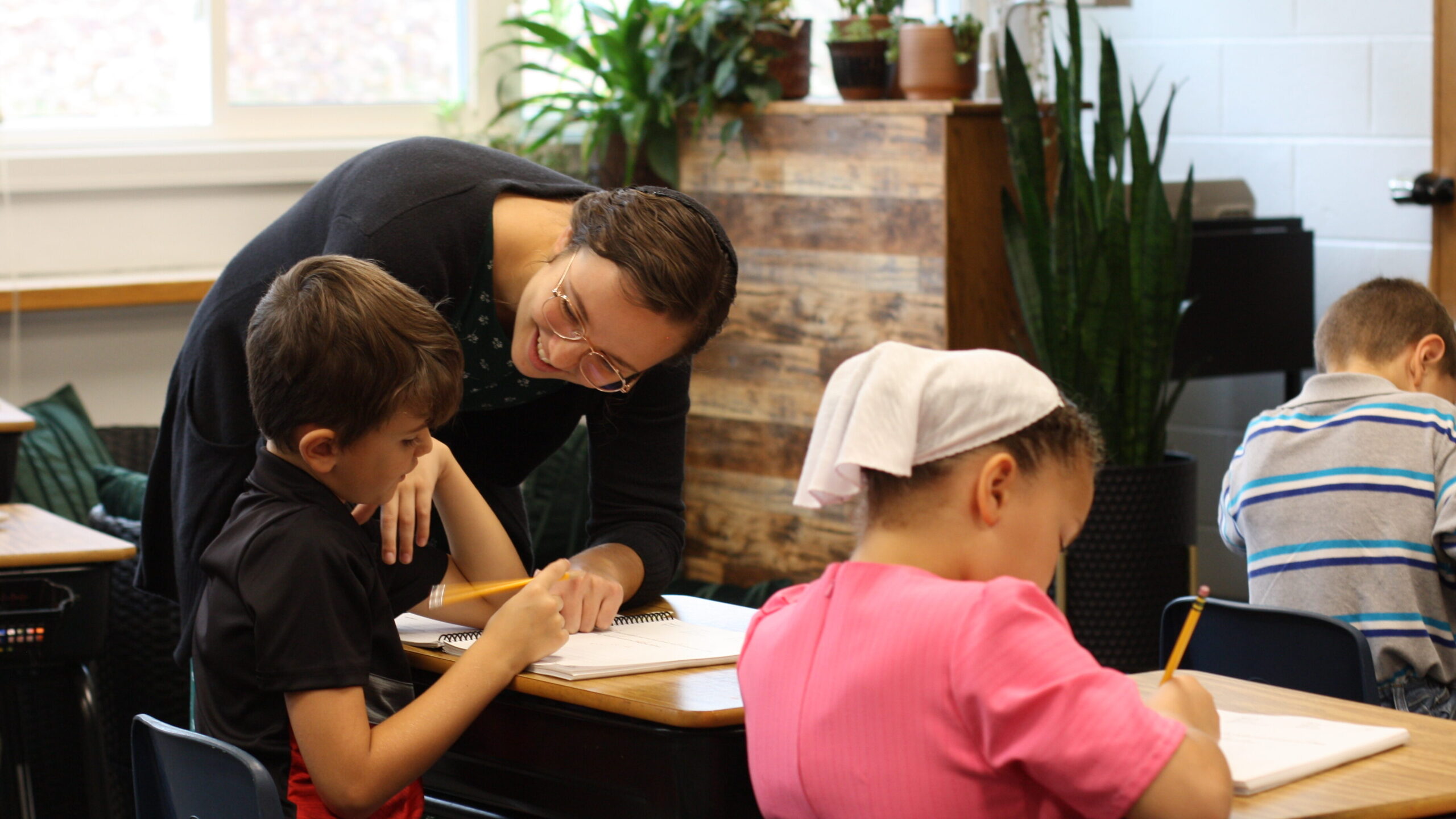
It is not enough to simply view Christian schools as “the same as secular, minus the bad stuff.” It’s not just what we don’t do, it’s what we do do.
So what is the vision of a Christian school? And how does a teacher go about bringing that vision to reality?
These two essays are a collective effort by seven administrators of conservative Anabaptist schools to describe the vision of a Christian school and the methods which can carry that vision out:

Recess
Reasons Why Recess Is Important
The physical body is part of God’s good creation.
Recess builds motor skills and coordination.
Exercise relieves mental and emotional tension.
Recess provides opportunities for learning relational skills like teamwork, good sportsmanship, following rules, and resolving disagreements.
Decreased physical activity can negatively affect children’s ability to learn.
Suggestions and Tips
Insist on some outdoor time even in winter. Fresh air and sunshine are important for developing minds and bodies.
One way to ensure fairness in who is “it” for games is to have a child choose a name from a bowl before the game.
Ensure that there is variety in the games being played. Even if most of the children enjoy playing the same game every day, the one or two who do not deserve to enjoy recess sometimes, too. Some ways you might choose games for organized recesses include the following:
Allow individual students to take turns choosing a game or create a “recess committee” who chooses the games for a week at a time.
Create a schedule with a different game each day; repeat the schedule again and again.
Have students submit suggestions and put into a bowl. Let a student pick out a game each day.
Find a balance between organized games and free play. Giving students open recess times helps them foster imagination.
Teacher presence at recess is important—simply being there can reduce conflict. If you can divvy out recess duties with co-teachers, it allows you to have some recess breaks where you are able to rest your mind or gather supplies for the next class.
Teacher involvement in student games allows students to see a different side of you, gives you opportunities to model good sportsmanship, and enhances the fun.
Build awareness in students of how to respect personal space and what appropriate touch looks like (especially cross-gender).
Ensure that students are familiar with the rules of the game to avoid confusion and frustration.
Nonverbal signals are essential on the playground, especially for very large groups of students. A whistle is a helpful tool. Teach students the meaning of various signals. For example:
2 short whistle blasts—freeze in place and become silent. This is helpful if you need to make an announcement about the game or name new itters.
3 short whistle blasts—new game. Students should gather around you for instructions about starting a new game.
Teacher’s raised hand—silence from everyone, eyes on the teacher. This is helpful while explaining the set up of the game or when silencing children before entering the building again.
Teach conflict resolution skills to your students and encourage them to work out their conflicts by talking to each other. This will take intentional guidance and modelling at the beginning. With practice, though, students should be able to resolve conflicts on their own.
If you do need to become involved, try to take a guiding role by asking questions like, “What is our rule for going outside boundaries?” or “What do you think is a good choice to make right now?” or “You two sit aside here and come up with a plan for how to handle this.”
Beware of the poor sport, the one who is never wrong, or the student who never gives in. A separate conversation with those individuals may be required.
Resources
Simple tips for better softball at school: Simple Tips for Better Softball at School - The Dock for Learning
Indoor games for rainy days:
Sources
Phys-Ed and Recess by Brandon Mullet: Phys Ed and Recess - The Dock for Learning
Lessons on the Playground: The Teacher’s Role by Jonathan Klassen Lessons on the Playground: The Teacher's Role - The Dock for Learning
What I Wish I Had Known About Recess by Ruth Anna Kuhns: What I Wish I Had Known About Recess - The Dock for Learning
Setting Up the Classroom
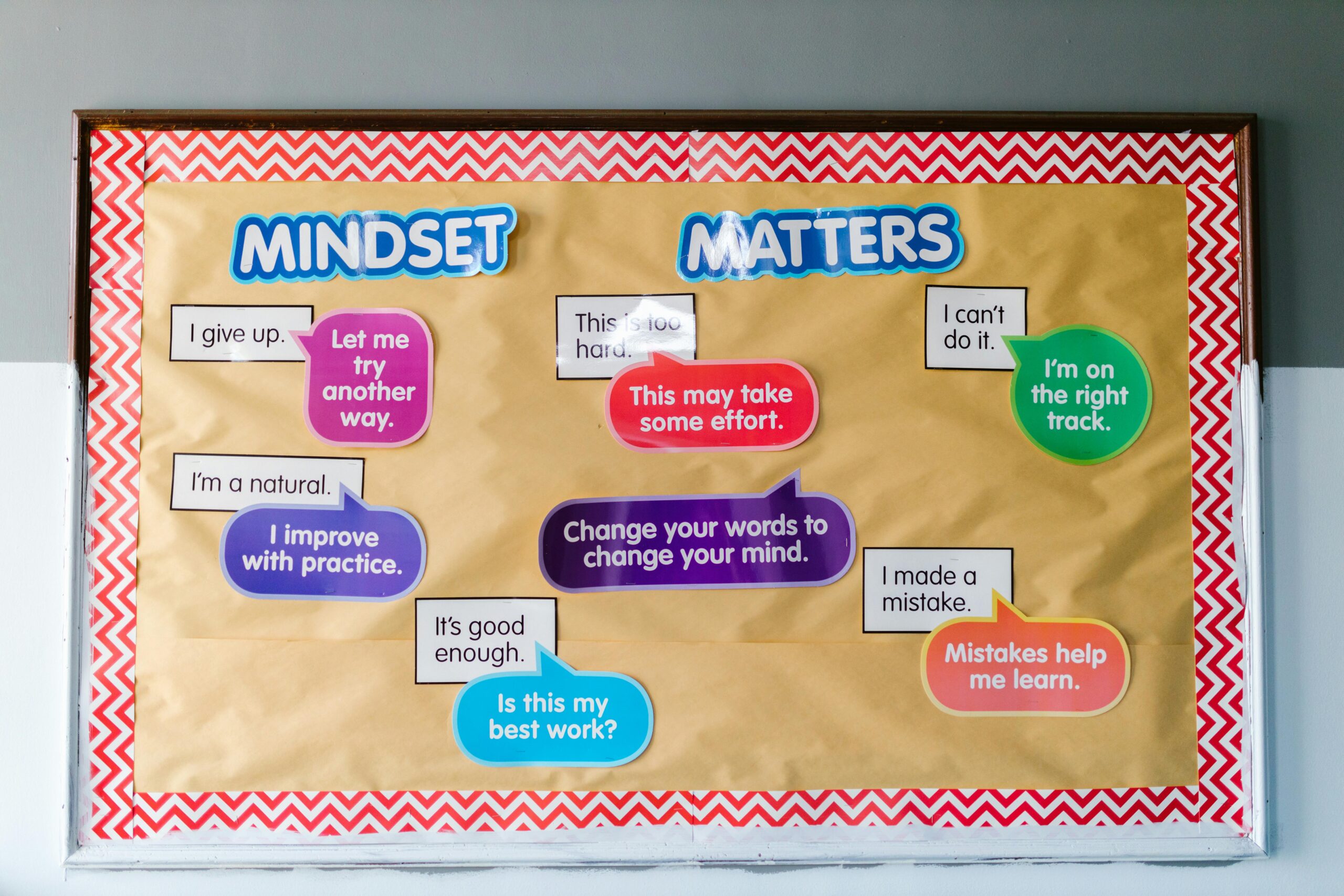
Your walls and room organization say a lot about your classroom atmosphere and your attitudes towards academics and your students. There are many subconscious messages that speak into the tone of your year.
Think about what you want to say. You should create a tone that says, “Learning is interesting. Knowledge is valuable. School is work. We work hard to be successful. Success is satisfying.” Write down what you want your classroom to say about you and what you expect from your students. Use this statement to guide your choices on how you set up your classroom.
Let the style of décor match the age level of your students.
Don’t be pressured to go with a theme, unless you find a theme freeing.
Make displays work for you. Use your bulletin boards to expand on subject material or to display student work. If you have many bulletin boards to fill, having several that don’t need to be changed often (or ever) is a huge time-saver.
Keep the visual clutter to a minimum. If it is just an accessory, maybe it isn’t needed. Students can’t handle too much sensory overload. Clutter makes the important blend with the unnecessary.
Filling blank bulletin boards is an obvious part of preparing the classroom. However, there are some less obvious, but still important décor items you may need to prepare, such as the following:
Job/cleaning chart
Birthday chart
Daily schedule (consider adding magnetic strips to the back, using tacks, or finding some way to make it easily changeable from one day to the next)
Desk/hook/cubby labels
Number lines
Student folders
Behavior systems
Supplies you may want to have on hand:
First aid basket (Band-Aids, cough drops, tissues, etc.)
Basic cleaning supplies for wiping off desks or cleaning the chalkboard/whiteboard
Blackboard/whiteboard markers and erasers
This list contains many more suggestions: Taking Stock: A Classroom Shopping List - The Dock for Learning
The following are some sample to-do lists by various teachers listing the tasks they complete before the first day of school:
Sources
Setting the Tone: Classroom Walls by Carolyn Martin: Setting the Tone: Classroom Walls - The Dock for Learning
Where to Begin: Preparing the Classroom for the First Time by Kendra Martin: Where To Begin: Preparing the Classroom for the First Time - The Dock for Learning

Teacher Overload and Burnout
The Nature of Overload and Burnout
Overload can be defined as excess demands impairing mental, physical, and emotional function. One can sustain short seasons of overload. Burnout, on the other hand, is a loss of enthusiasm and energy leading to cynicism, fatigue, racing thoughts, sleep issues, snappiness, reduced creativity, and relational strain. Once one is in a state of burnout, it is very hard to keep moving forward.
If you are feeling constant tiredness and a “can’t keep up” desperation, this signals a need for action. Remember that deeper holes take longer to recover from. Be alert to early signs. Ask yourself, “Can I sustain this pace?”
Advice for Teaching Sustainably
Taking time to prioritize self-care is not selfish (unless done at the expense of fulfilling one’s duties). Instead, taking time to do things that bring you rest and refreshment helps you to be a better teacher in the long run. This may include things like the following:
Maintain non-school hobbies
Get good sleep/take naps
Take walks or exercise
Embrace Sabbath rest
Spend time with Jesus often and let Him love you
Distinguish fun from obligation
Set boundaries and say “no” politely
Eat nourishing, nutritious food
Ask for help when you need it. Perhaps you can recruit parent volunteers for things like daily checking or reading classes.
A driver in burnout can be unclear expectations or nebulous job roles. Seek clarity from board/admin/principal/co-teachers on what your responsibilities are.
Another driver in burnout can be differing goals and vision, perhaps from your board, parents, or co-teachers. If this is the case, communicate humbly. Talk it out with those involved in respectful ways.
If you find that unresolved personal issues are causing your burnout, remember the importance of bringing your best self to the classroom. Seek counseling for healing and wholeness.
Poor time management and/or procrastination is an issue worth attacking head-on. Assess where you are losing time and put safeguards in place to keep it from happening often. Put energy into building positive habits. Consider making yourself accountable to a co-teacher or administrator.
Establish systems and routines for daily tasks and classroom management. Whenever you can put energy into planning responses and consequences once, it keeps you from needing to spend mental energy deciding in the moment whenever things come up.
Ensure that you have a compelling vision driving you. While you may be teaching out of a desire to serve families and come alongside parents in the important task of educating children, if this is your primary focus, it can easily lead to people-pleasing and burnout. Instead, put your focus on serving Christ, His church, and His Kingdom. You are helping to train and equip more Kingdom workers. Keeping this perspective has the potential to revolutionize the ordinary moments of everyday life in the classroom. These moments become holy as you see them through the lenses of eternity and realize the impact that your work can have.
Remember that things will not always go as you planned and you will not always be able to operate at 100%. Be gentle with yourself when you are tired, hungry, angry, or frustrated. Jesus sustains the teacher who calls out to Him. He is bigger than your sleepless night, your hastily crafted sticky note lesson plan, or your students’ low spelling scores. You can trust Him to fill in the gaps when you have done your best.
Sources
Avoiding Overload and Burnout by Arthur Nisly: Avoiding Overload and Burnout - The Dock for Learning
Help for the Harried Teacher (Remedies) by Doug Kauffman: Help for the Harried Teacher (Remedies) - The Dock for Learning
Workers in the Kingdom by Rosalie Beiler: Workers in the Kingdom - The Dock for Learning
What I Wish I Had Known About Self-Care by Ruth Anna Kuhns: What I Wish I Had Known About Self-Care - The Dock for Learning

Teaching Reading
General Advice and Teaching Tips
Utilize pre-reading activities, which prepare students for what they are going to encounter in the text and get them interested in the story before they even start reading. Pre-reading activities may include:
Vocabulary—make sure that students are equipped to understand unfamiliar words or concepts.
Brainstorming—very quickly allow students to interact with a question that introduces the theme of the story.
Hooks—give a question that has no answer, share a personal anecdote, show a picture prompt, use an object that is related to the story, predict what may happen in the story based on the title, etc.
Graphic organizer—use something like a KWL chart (letting students fill in what they already Know about a subject and what they Wonder about. After reading, they can fill in what they have Learned about the story). Bubble maps or Venn diagrams work well also.
Use questions to explore stories. This leads students to discover the truth for themselves (instead of you simply telling them what you think the meaning of the text is).
Some students struggle to understand what they’re reading. Teaching them the following tools may be helpful:
Think aloud
Model for your students how you can have an internal dialogue while reading a text. Project the first page of a story or a difficult section of a textbook. Read the text aloud, stopping often to share your thoughts. Point to the words in the text that trigger your thinking. Ask questions. Connect information from one concept to the next.
Mark the text
If a student has a personal workbook, the marking can be done directly in the book; if the student is using a shared textbook, the marking can be done on sticky notes and placed in the text.
Have students mark main ideas, background knowledge, or questions they have about the text.
When it comes to vocabulary, be aware that there is a lot of academic-specific vocabulary that students will only interact with in the classroom. In addition, there will be a vast span in the known vocabulary of your students based on their language exposure up to this point. It is the responsibility of the teacher to address these discrepancies so that every child can understand what they’re reading.
Use reading class as an opportunity to develop the following skills:
Summarizing
Identifying the main idea
Inferring (reading between the lines)
Distinguishing fact from opinion
Applying wisdom principals to life
Narrating (retelling the story from memory)
Use a variety of oral reading methods to maintain engagement:
Round robin—students read assigned portions in order, going around the room
Pulling sticks—randomly select readers using popsicle sticks with names
Chain reading—set a timer (e.g. 45 seconds) for each reader
Readers’ theater—assign dialogue or narration roles
Fill-in-the-word—teacher reads, students chime in with specific words
Popcorn reading—students read one sentence each
Group/pair reading—small groups read together
Whisper/blab reading—students read aloud softly and simultaneously
Learning to Read (Kindergarten--First Grade)
Teaching students how to read is a complex and important task. The following concepts should be cornerstones in your teaching:
Develop auditory skills. A student must be aware that words are made of individual sounds. Before you teach children how to blend sounds, they must be able to hear the individual sounds in words. Practice this orally by saying a word like “mat.” The students repeat “mat” and then break the word apart: /m/ /a/ /t/, holding up a finger for each sound. Do this daily for weeks (at a minimum).
Curriculum like Heggerty Phonemic Awareness do this type of training very well and can be added to your reading curriculum (lessons are only ten minutes per day).
Review. Learning how to blend and read words takes more review than you may realize. A child who can fluently sound out words and comprehend them is multi-tasking, which is a very high-level process. Drill the sounding out and blending process again and again until it becomes automatic.
Keep flashcards in circulation until competency is reached. Don’t switch out the words in your flashcard pack too soon.
Develop fluency before comprehension. Focus on teaching students how to read fluently first—developing comprehension and more interaction with the text can happen later.
Elementary
Work to create a culture of reading in your classroom. This can be achieved through the following:
Model a love for reading
Incorporate reading into every school day
Offer a diverse classroom library
Design an inviting classroom that encourages reading through a cozy reading corner or literary-themed bulletin boards
Teach engaging reading lessons
Promote reading at home through reading challenges or setting individualized reading goals
Recommended Resources
Below you will find some general, multi-use application resources. However, the Dock contains hundreds of reading and literature resources shared by teachers, such as worksheets, powerpoints, study guides, tests, and more. Go to https://thedockforlearning.org/ and search for your specific theme or work of literature—you may find that another teacher has shared something that can be useful to you.
Learning to Read Training (CLP)
Guidelines for Oral Reading: Guidelines for Oral Reading - The Dock for Learning
Advice for bridging the transition between CLP’s Learning to Read and I Wonder: From Learning to Read to Reading to Learn - The Dock for Learning
Oral reading rubrics:
Tips for improving reading comprehension: How to Read: Improving Reading Comprehension - The Dock for Learning
List of suggested online resources: Reading/Language Online Resources - The Dock for Learning
Reading comprehension stories (middle grades):
Word games and drills for beginning readers: Word Games and Drills - The Dock for Learning
Songs and rhymes for beginning readers: Phonics: Learning to Read - The Dock for Learning
Strategies for increasing and developing vocabulary:
Sources
Understanding Reading by Karen Birt Understanding Reading - The Dock for Learning
Pre-Reading 101: Strategies to Get Your Students Ready for the Story by Sharon Yoder Pre-Reading 101: Strategies to Get Your Students Ready for the Story - The Dock for Learning
Learning to Read by Karen Yoder Learning to Read - The Dock for Learning
Developing a Passion for Reading by Myron Brubacher Developing a Passion for Reading - The Dock for Learning
3 Components of a Successful Reading Class by Sharon Yoder 3 Components for a Successful Reading Class - The Dock for Learning
Pre-Reading 101: Strategies to Get Your Students Ready for the Story by Sharon Yoder Pre-Reading 101: Strategies to Get Your Students Ready for the Story - The Dock for Learning
Photo by Michał Parzuchowski on Unsplash

Mathematics: Studying God's Greatness
Why study math? This document presents concepts students may not have contemplated. Math points us to the greatness of our Creator. Studying arithmetic, geometry, algebra, and calculus can help us to more deeply appreciate the greatness of our Lord. Although the document discusses calculus, no prior knowledge of calculus is assumed.


Guns or Frying Pans?
“Young man, you put that gun down!" Louise Degrafinried commanded firmly as Riley Arceneaux burst into her home pushing her husband, Nathon, ahead of him at gunpoint. “Young man, I’m a Christian lady and don't believe in violence," she continued. "You put that gun down right here. Son, you must be starving. Now, how do you want your eggs?"
Several days earlier on February 18, 1984, Riley, along with five others, had escaped from the Fort Pillow Correctional Facility in West Tennessee where he was serving a 25-year prison sentence for second-degree murder. He was cold, wet, desperate, and lonely as he stumbled onto the home of Nathon and Louise, a God-fearing couple in their seventies, who were active members of the Mt. Sinai Primitive Baptist Church. The entire community was on edge because of the escaped convicts. Louise was on the phone with a friend of hers about this very subject when Riley and Nathon burst into the house. She simply said, "Well. they're here now," and hung up the phone.
“I haven't eaten in three days," Riley growled as he cooperatively laid his gun by the sofa. Louise quickly whipped out her trusty frying pan and soon the tantalizing smell of African American "soul food"—frying bacon, eggs, toast, and coffee—filled the small house. Louise set out her best napkins and sent Nathon to bring Riley a pair of dry socks. Louise began asking about his family. Riley mentioned that Louise reminded him of his grandmother who had recently passed away. “I have no one who cares anything about me. No one cares if I live or die," Riley lamented.
"Young man, I love you, and God loves you. God loves all of us, every one of us, especially you. Jesus died for you, because He loves you so much," Louise assured him as she patted his leg, and a tear ran down his cheek. As Nathon, Louise, and Riley sat down to eat their breakfast, Louise took Riley by the hand and thanked God for the food and that Riley was safe. She asked Riley if he had anything to say to God. Undeterred by his disinterest, she coached Riley through a simple prayer, "Jesus wept”.[1]
As they ate, the elderly couple entreated him to simply give himself up to the authorities. In Louise's own words, "I went to giving him Bible.” Louise told Riley, "When we do wrong, we have to be punished.”
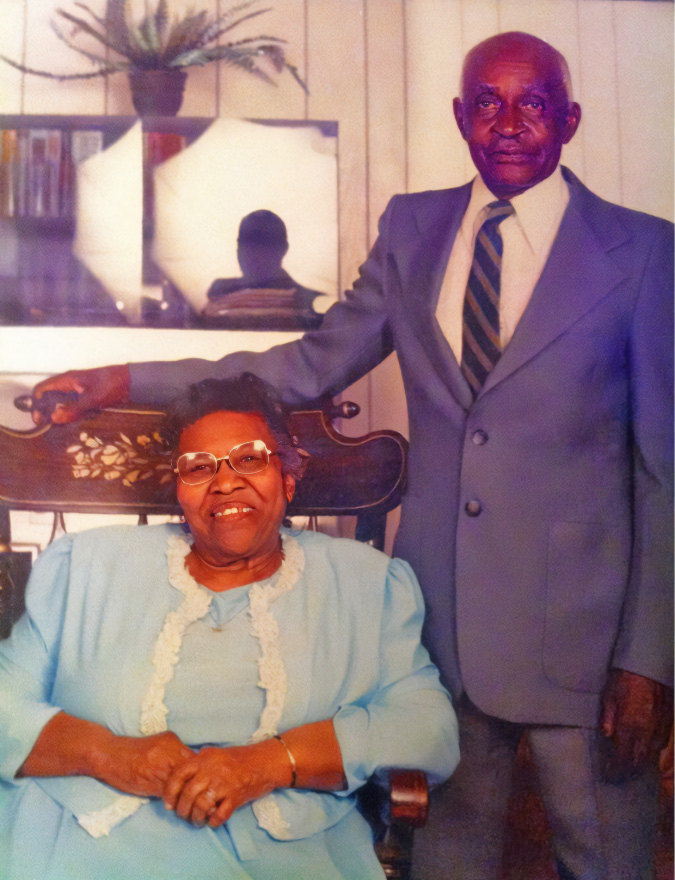
Unknown to Riley, Louise's friend, who she was talking with at the beginning of the confrontation, had notified the police. As the threesome enjoyed their breakfast, they heard the sirens in the distance. "The police will kill me. I know it!" wailed Riley.
"No, I won't let them. You do what is right, and I won't let them hurt you;' Louise assured him.
Soon the yard was filled with police cars with officers crouched behind their car doors with their guns drawn, fully expecting a criminal to burst out of the door shooting for his freedom. Instead, they were met by a 73-year-old grandmother with her hands on her hips. "Y'all put those guns away, I don't allow no violence here. You put those guns down. This fellow is going to give himself up, but he needs to finish his breakfast first;' she instructed with the same authoritative voice she had used on Riley several moments earlier. The police reluctantly agreed but remained wary.
Several moments later Riley stepped out onto the porch with his hands above his head, Nathon and Louise on either side with their arms around him. He was arrested without incident and taken back to Fort Pillow prison. Newspaper headlines highlighted how this woman with her Bible and frying pan did what all the law enforcement in West Tennessee was unable to do!
Less than 12 hours later, Paul Windrow, a fifty-nine-year-old local tire dealer as well as a church elder, was grilling steaks on his patio. He had also heard about the convicts being on the lam, and he had taken the precaution of carrying his pistol on his belt at all times. Ronald Freeman and James Clegg, who along with Riley Arceneaux had held a family hostage two days before, came bursting out of the kudzu covered bushes behind his house. Paul fired two shots, neither which struck the convicts, before they fatally shot him. Underscoring Jesus' words, "They that take the sword will perish with the sword."[2]
The pair then burst into the house and took Paul's wife Elizabeth hostage, and forced her to drive them several hours to East Tennessee, where they left her at an interstate rest area, and fled. She was unable to cope with the memories of her husband's murder and her kidnapping and had to leave her home. She moved to a new location in an effort to bury the trauma.
While Riley went back to prison, he didn't drop out of Nathon and Louise's life. Louise asked for a picture of Riley which she put in their family album. The police asked them to press charges against Riley, but the Degrafinrieds refused, "Because that boy didn't do anything to us,” they said. Riley still received an additional 20 years added to his sentence for escaping and for his involvement with an earlier kidnapping. Louise continued to visit him in prison and wrote letters in spite of the fact that her arthritis made writing legibly difficult.
Unfortunately, Riley didn't respond to the Gospel immediately. Four years after his initial escape, he attempted to escape from prison again. While he wasn't successful in this attempt, he was sent to solitary confinement for a time. While he was by himself for 23 hours a day, he began to think seriously about the claims that God had on his life. He remembered especially the testimony of Louise Degrafinried, and he realized this was what real Christianity looked like in real life. Louise continued to write letters in which she encouraged him, "I believe in you. Trust God to work in your life. Be patient, study your Bible and look for the good in everybody." Riley said the lack of fear that Louise showed convinced him to become a Christian in 1988. "She (Louise) was real Christianity. No fear;' Riley said. When Louise prayed with Riley on a visit to the prison, she began her prayer by saying, "God, this is your child. You know me and I know you:' Riley knew that was the relationship he wanted with God.
The Degrafinrieds worked to get Riley released from prison, which finally happened in 1995. Riley moved to Nashville, got a job, and began to build life instead of destroying it.
Louise died in August, 1998. Among the crowd of 300 mourners at Mt. Zion Missionary Baptist Church was Riley Arceneaux, who was serving as a pallbearer. He also spoke to the crowd in his eulogy, "This woman was a real Christian. No fear! It was through her that I turned my life around:' He reassured the family that he was staying out of trouble. "It's not just a jailhouse religion like some guys get. It does stick with some people. To me it's how much you really seek after God while you're in there;' he said.
By this time, he was working as a foreman at the Crown Tent & Awning Co. He was living in Nashville with his wife and young son. His was truly a life redeemed.

What will be your weapon of choice? Gun or frying pan? Are you willing to beat your guns into frying pans?
[1] John 11:35. When someone asked her later, “Why did you tell him to say ‘Jesus wept’?” she said, “Because I figured that he didn’t have no church background, so I wanted to start him off simple; something short, you know.”
[2] Matthew 26:52
This article first appeared in the October 2019 Calvary Messenger. Published here by the permission of the author. Also see https://jimandnancyforest.com/tag/louise-degrafinried/