Setting Up the Classroom
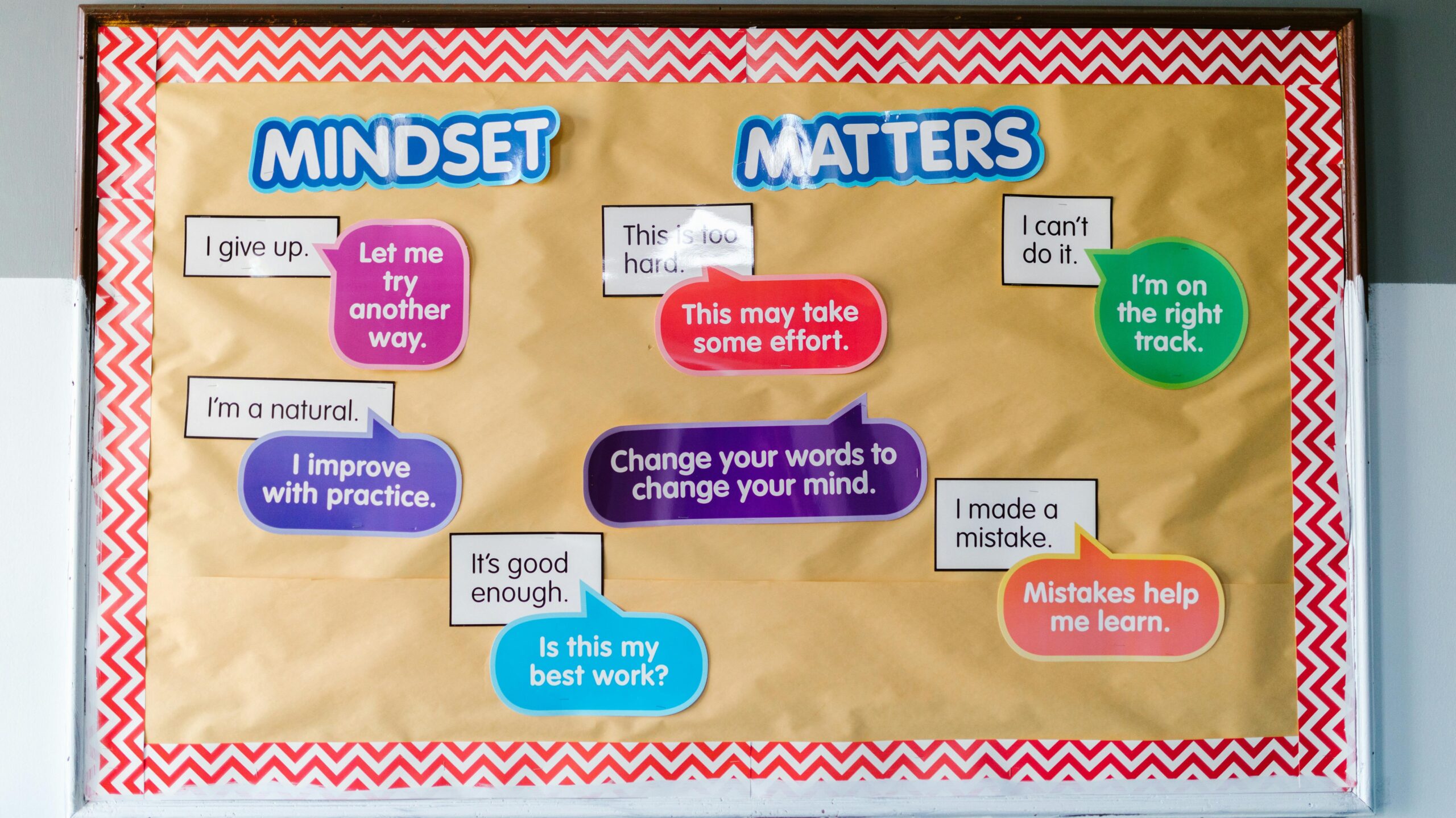
Your walls and room organization say a lot about your classroom atmosphere and your attitudes towards academics and your students. There are many subconscious messages that speak into the tone of your year.
Think about what you want to say. You should create a tone that says, “Learning is interesting. Knowledge is valuable. School is work. We work hard to be successful. Success is satisfying.” Write down what you want your classroom to say about you and what you expect from your students. Use this statement to guide your choices on how you set up your classroom.
Let the style of décor match the age level of your students.
Don’t be pressured to go with a theme, unless you find a theme freeing.
Make displays work for you. Use your bulletin boards to expand on subject material or to display student work. If you have many bulletin boards to fill, having several that don’t need to be changed often (or ever) is a huge time-saver.
Keep the visual clutter to a minimum. If it is just an accessory, maybe it isn’t needed. Students can’t handle too much sensory overload. Clutter makes the important blend with the unnecessary.
Filling blank bulletin boards is an obvious part of preparing the classroom. However, there are some less obvious, but still important décor items you may need to prepare, such as the following:
Job/cleaning chart
Birthday chart
Daily schedule (consider adding magnetic strips to the back, using tacks, or finding some way to make it easily changeable from one day to the next)
Desk/hook/cubby labels
Number lines
Student folders
Behavior systems
Supplies you may want to have on hand:
First aid basket (Band-Aids, cough drops, tissues, etc.)
Basic cleaning supplies for wiping off desks or cleaning the chalkboard/whiteboard
Blackboard/whiteboard markers and erasers
This list contains many more suggestions: Taking Stock: A Classroom Shopping List - The Dock for Learning
The following are some sample to-do lists by various teachers listing the tasks they complete before the first day of school:
Sources
Setting the Tone: Classroom Walls by Carolyn Martin: Setting the Tone: Classroom Walls - The Dock for Learning
Where to Begin: Preparing the Classroom for the First Time by Kendra Martin: Where To Begin: Preparing the Classroom for the First Time - The Dock for Learning