Recess
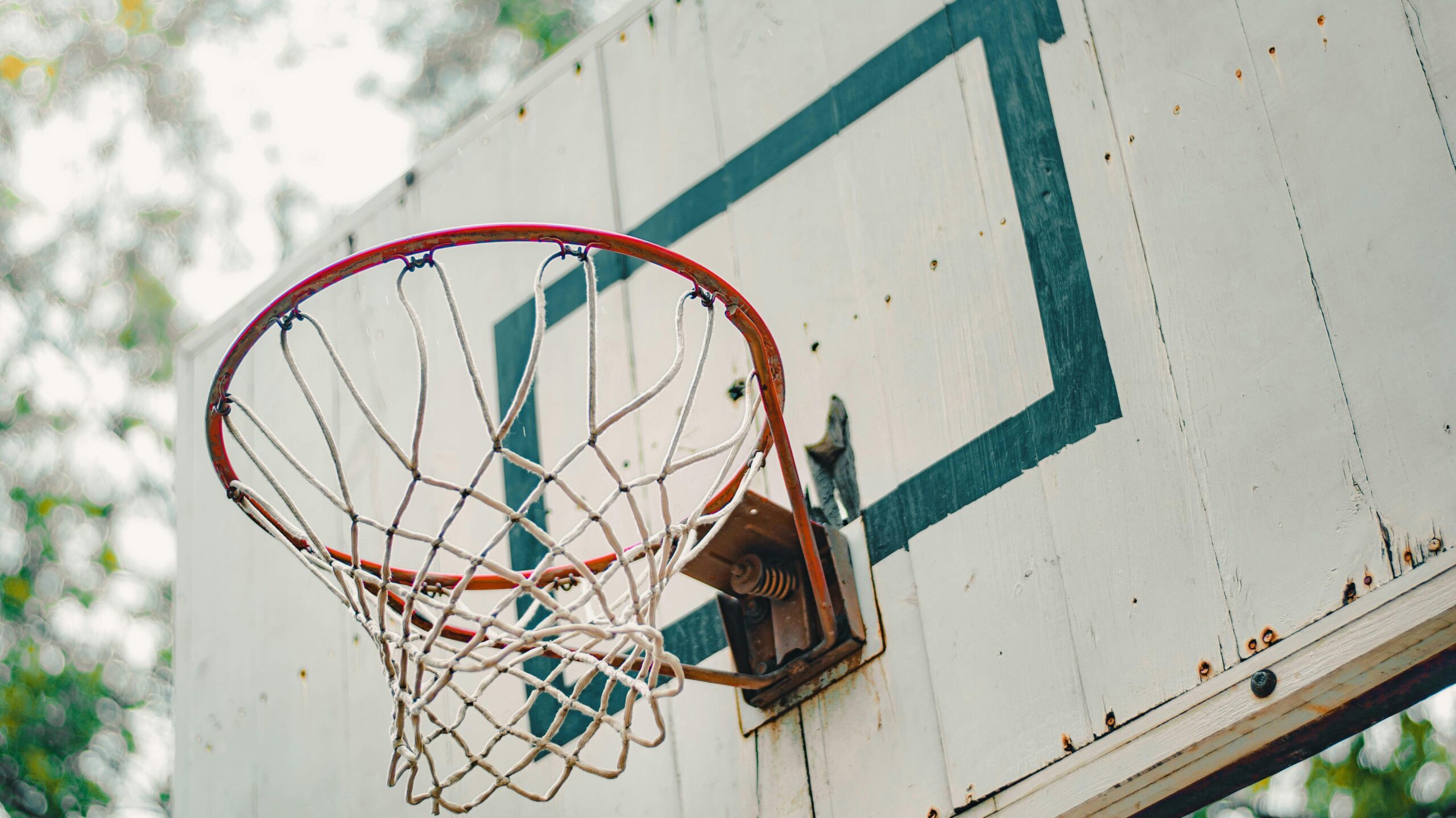
Reasons Why Recess Is Important
The physical body is part of God’s good creation.
Recess builds motor skills and coordination.
Exercise relieves mental and emotional tension.
Recess provides opportunities for learning relational skills like teamwork, good sportsmanship, following rules, and resolving disagreements.
Decreased physical activity can negatively affect children’s ability to learn.
Suggestions and Tips
Insist on some outdoor time even in winter. Fresh air and sunshine are important for developing minds and bodies.
One way to ensure fairness in who is “it” for games is to have a child choose a name from a bowl before the game.
Ensure that there is variety in the games being played. Even if most of the children enjoy playing the same game every day, the one or two who do not deserve to enjoy recess sometimes, too. Some ways you might choose games for organized recesses include the following:
Allow individual students to take turns choosing a game or create a “recess committee” who chooses the games for a week at a time.
Create a schedule with a different game each day; repeat the schedule again and again.
Have students submit suggestions and put into a bowl. Let a student pick out a game each day.
Find a balance between organized games and free play. Giving students open recess times helps them foster imagination.
Teacher presence at recess is important—simply being there can reduce conflict. If you can divvy out recess duties with co-teachers, it allows you to have some recess breaks where you are able to rest your mind or gather supplies for the next class.
Teacher involvement in student games allows students to see a different side of you, gives you opportunities to model good sportsmanship, and enhances the fun.
Build awareness in students of how to respect personal space and what appropriate touch looks like (especially cross-gender).
Ensure that students are familiar with the rules of the game to avoid confusion and frustration.
Nonverbal signals are essential on the playground, especially for very large groups of students. A whistle is a helpful tool. Teach students the meaning of various signals. For example:
2 short whistle blasts—freeze in place and become silent. This is helpful if you need to make an announcement about the game or name new itters.
3 short whistle blasts—new game. Students should gather around you for instructions about starting a new game.
Teacher’s raised hand—silence from everyone, eyes on the teacher. This is helpful while explaining the set up of the game or when silencing children before entering the building again.
Teach conflict resolution skills to your students and encourage them to work out their conflicts by talking to each other. This will take intentional guidance and modelling at the beginning. With practice, though, students should be able to resolve conflicts on their own.
If you do need to become involved, try to take a guiding role by asking questions like, “What is our rule for going outside boundaries?” or “What do you think is a good choice to make right now?” or “You two sit aside here and come up with a plan for how to handle this.”
Beware of the poor sport, the one who is never wrong, or the student who never gives in. A separate conversation with those individuals may be required.
Resources
Simple tips for better softball at school: Simple Tips for Better Softball at School - The Dock for Learning
Indoor games for rainy days:
Sources
Phys-Ed and Recess by Brandon Mullet: Phys Ed and Recess - The Dock for Learning
Lessons on the Playground: The Teacher’s Role by Jonathan Klassen Lessons on the Playground: The Teacher's Role - The Dock for Learning
What I Wish I Had Known About Recess by Ruth Anna Kuhns: What I Wish I Had Known About Recess - The Dock for Learning