Seating Arrangements
General Considerations
There is more than one good way to set up student desks. And beginning with one configuration doesn’t mean that it cannot be changed in the course of the year—or the day.
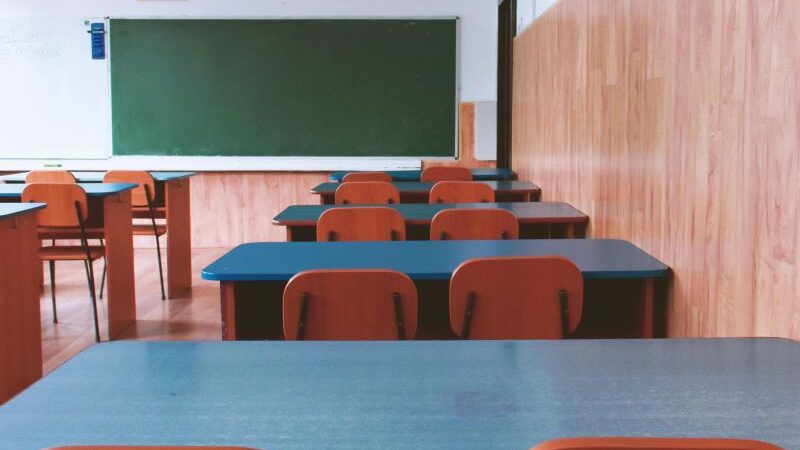
You can create rhythms in your classroom where certain scenarios dictate certain seating arrangements. Once you have established these rhythms, your students will be able to rearrange themselves quickly and with minimal disruption. (This is especially easy if your students are sitting in movable chairs versus more stationary desks). For example:
Sitting in rows for lectures
Spreading apart for taking tests
Sitting in a circle for reading class or class discussions
Sitting in pairs or small groups for activities or projects
Having students sitting in the right spots within a given seating arrangement can be a tremendous help in the classroom. Strategic student placement can help to avoid many distractions and potential disruptions.
Specific Tips and Tricks
Watch out for classroom contradictions. For example, if you have all your desks in rows but you want students to interact with each other, you have a contradiction on your hands. You’ve set up the classroom for isolation, but the students are supposed to interact with each other.
Make sure that frequently-used items are accessible. (For example, don’t put your pencil sharpener right behind a desk).
Here are some guidelines that may be helpful in knowing where to seat “those” students:
A child who is struggles to focus may do better at the front of the room. There are fewer distractions between you and them, and it allows you to quickly and unobtrusively stand closer to them or tap their desk to regain his focus, even while you’re teaching.
Put the class clowns in the back corners. Part of their acting out is to get attention. They cannot do this as easily if they are in the back where most of their classmates cannot see them.
Place your most diligent students right next to the most distracting students.
If two students are close friends and like to communicate too often, put them in the same row with a student or two in between. This makes it difficult for them to make eye contact.
If a child has significant academic struggles, consider putting them near your desk or workspace. This allows you to be near to offer support and keep an eye on them to ensure they aren’t becoming overwhelmed.
Don’t be afraid to keep moving students around until you find something that works. If a poor seating arrangement is keeping learning from happening, it’s worth trying to overcome that obstacle!