Planning Programs
Logistics to Consider:
Style: what genre of program do you want to present? A dramatic Scripture reading will have a very different tone than a humorous, story-based skit. You will want to take your students’ strengths and abilities into consideration, as well as community sensitivity.
Length: how long should your program be? Remember that if you want to include some singing, the spoken program part will need to be short enough to accommodate that.
Props/costumes: will your program require any props and costumes? If so, who will make or acquire them?
Class dynamics: do you have some shy students who will struggle with stage fright? Consider giving them no speaking roles, minimal roles, or choral roles (speaking in unison with one or more other students).
Practice Timeline
Most teachers find that somewhere between 2-3 weeks is the right amount of time to practice. The exception to this might be learning new songs to sing; depending on the difficulty of the songs, you may want to start learning them earlier in the year.
If you want students to be able to perform the program without reading from scripts (which is highly recommended), be clear about memorization deadlines. You may want to communicate those deadlines to parents as well so that they can hold their child accountable to practice at home.
Maximizing Practice Time
To avoid chaos, set clear expectations before practicing. Establish when students are allowed to talk, how they should act during times when they aren’t an active participant in the program, and the importance of them giving their best focus to the task at hand.
As the teacher, there are some things you will want to plan beforehand so that you don’t need to figure it out on the spot during your practice time.
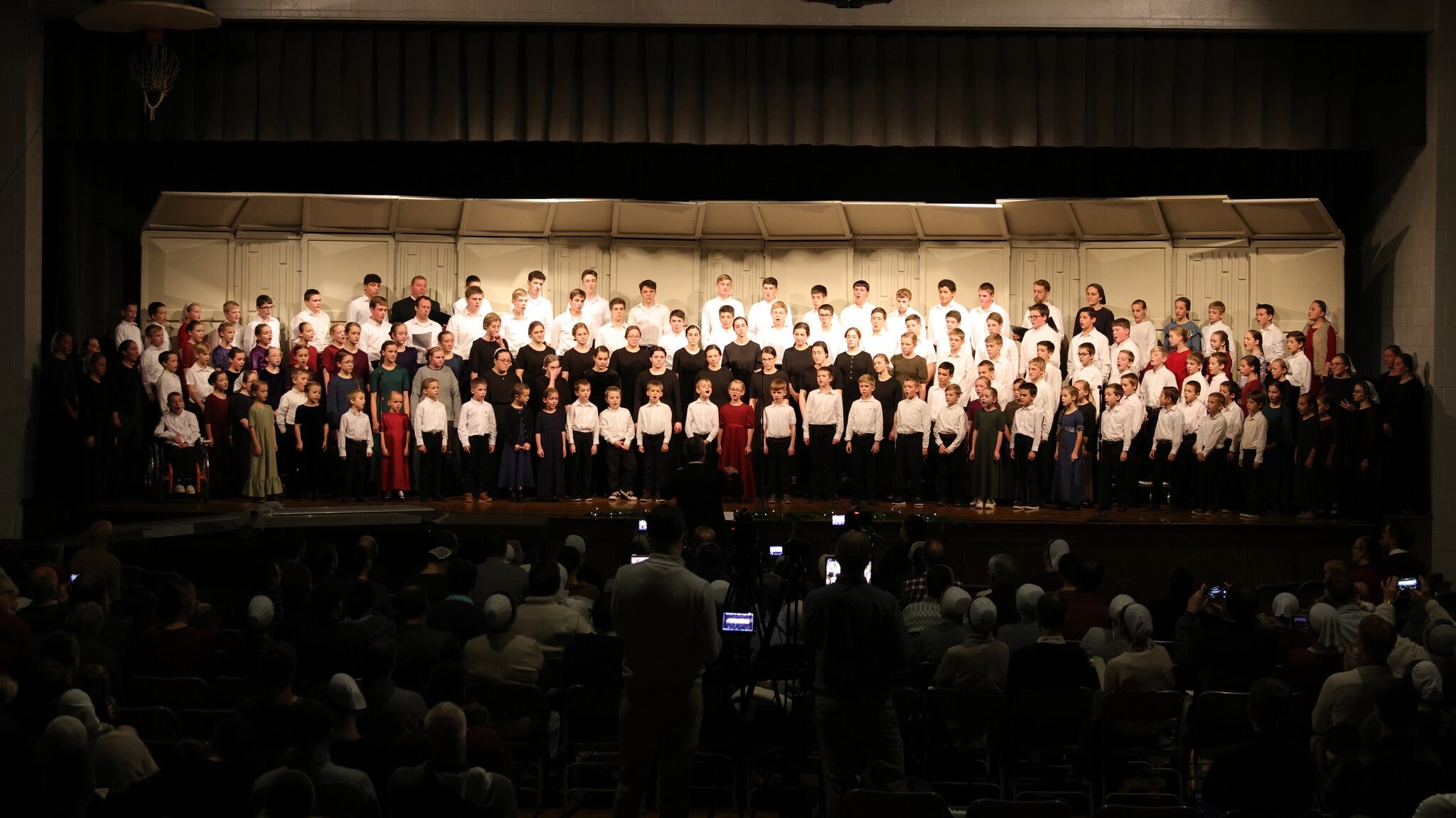
Figure out where you want your students to stand on the stage and in what order. Then, line up accordingly before going onto the stage.
If you will have multiple standing arrangements, be sure you are giving your students adequate chances to practice transitioning to those arrangements.
If you are using multiple microphones on stands, plan which students will go to which microphones. Consider having back-to-back speakers go to different mics so that they can move into position while the person before them is still speaking. This eliminates dead time and helps your program run smoothly.
If you are using hand-held microphones, plan which students will use which microphones. Again, strategic planning of microphone movement can prevent your program from having lengthy silences while mics are being passed.
Teaching Presentation Skills
The speaker should always face the audience. Even in a skit where two characters are talking to each other, they should stand side by side so neither actor has their back to the audience.
Model what clear, deliberate speaking looks like. Remind students that good speaking in a presentation will feel slower and louder than their normal speaking voice.
If using microphones, train students in good mic use. (A microphone only helps if it’s being used properly!) Find out from your sound technician how close the mic should be to the speaker’s face and practice that way from the very beginning.
If you are not using microphones, train students to speak loudly and clearly from the very first practice. Whenever a student isn’t speaking loudly enough, stop them and have them start again. This may seem tedious or overboard, but there is very little point in presenting a program that can’t be heard or understood by the audience.
Establish where you want your students to look while they are presenting. This is especially important during choral speaking or singing—if students are expected to look at you, it will minimize distractions.
An Opportunity for Building Character
A program is a great time to develop character traits like humility and service in your students. Remind them of the purpose of doing a program—to share a message with others and to glorify God. Encourage students to focus on that instead of their own nerves or fears of performing poorly.
Sources
How to Plan a Program by Meghan Brubaker: How to Plan a Program – The Dock for Learning