Two Favorite Review Games
Before I give my third graders a test in science or history class, we usually take a class period to review together on the day before the test. Since games can be a fun and useful way to review information, I am always on the lookout for new games to try with my students. While I use a variety of games and activities, following are two of my favorites that meet the criteria of effectiveness, ease of use, and student enjoyment.
Both these games require minimal preparation for the teacher, and the only materials needed are writing tools for the students. My students all keep a small whiteboard and dry-erase marker in their desks, and those work well for these games. Pieces of laminated heavy paper can also work as whiteboards.
Stump the Experts
I begin by asking a review question. The students have half a minute or so to write an answer, and then they hold up their boards. Out of the people who answer correctly, I choose three or four students to sit in the “expert” seats, which are simply chairs placed in front of the classroom, facing the other students. Then I continue to ask questions, and everyone writes. When it is time to show answers, I ask the “experts” to hold up their boards first. If their answers are correct, they are allowed to stay in the expert seats. If any of them have an incorrect answer, they need to give up their seat to someone else who wrote a correct answer. Students try to stay in the expert chairs for as long as possible, and the other students try to “stump the experts” and get their own chance to sit in an expert chair.
I love this game for its simplicity. It generates friendly challenge and competition without the need to make teams or to keep score. It also makes students individually accountable for the information, since everyone is expected to write answers; and I can quickly evaluate my students’ general grasp of the material.
Hot Seat
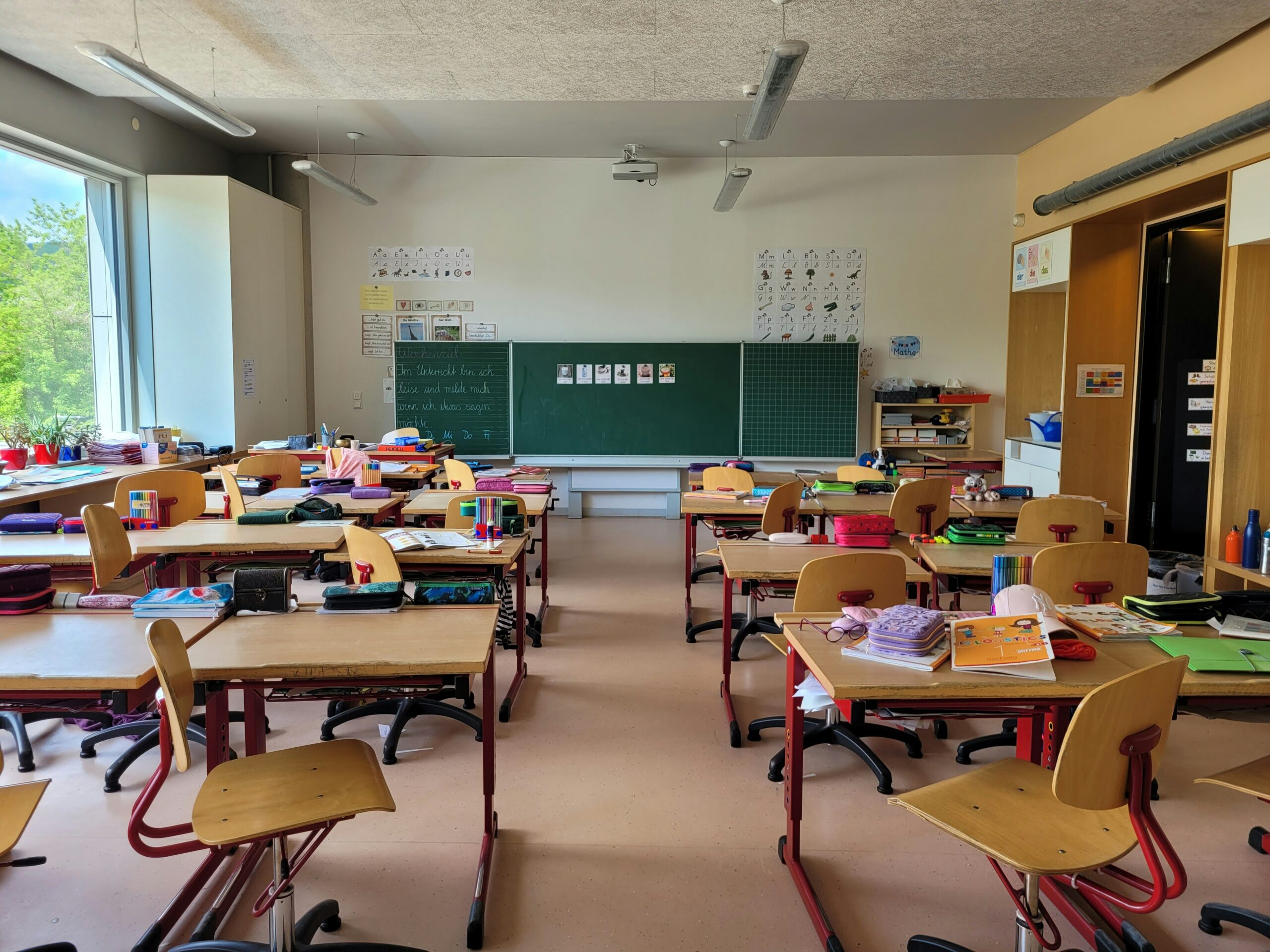
This game works best with three or four students on a team. In my current class of sixteen, we have four rows of four desks, so it works nicely to have each row be a team. The front seat in the row is the “hot seat.” When I ask a question, everyone writes an answer. Then I ask the students seated in the front to show me their answers first. If they get it right, their team gets four points. If someone in the front has an incorrect answer, I check the person behind them. The second person can earn three points, the third person can earn two points, and last person in the row can earn only one point. After every question, the students in the back move to the front, and everyone else moves back one seat. The goal is always to have the person in the “hot seat” answer the question correctly so that the team can get the full four points. But everyone else is also motivated to write, so that the team can still earn as many points as possible, even if the person in the front gets it wrong.
I like the high motivation and accountability in this game. Another perk is that it keeps students moving, since they switch seats after every question. If you have a high-energy class that does not do well with sitting still too long, this game is a great way to allow movement without chaos.
Photo by Nathan Cima on Unsplash