Leading Class Discussions
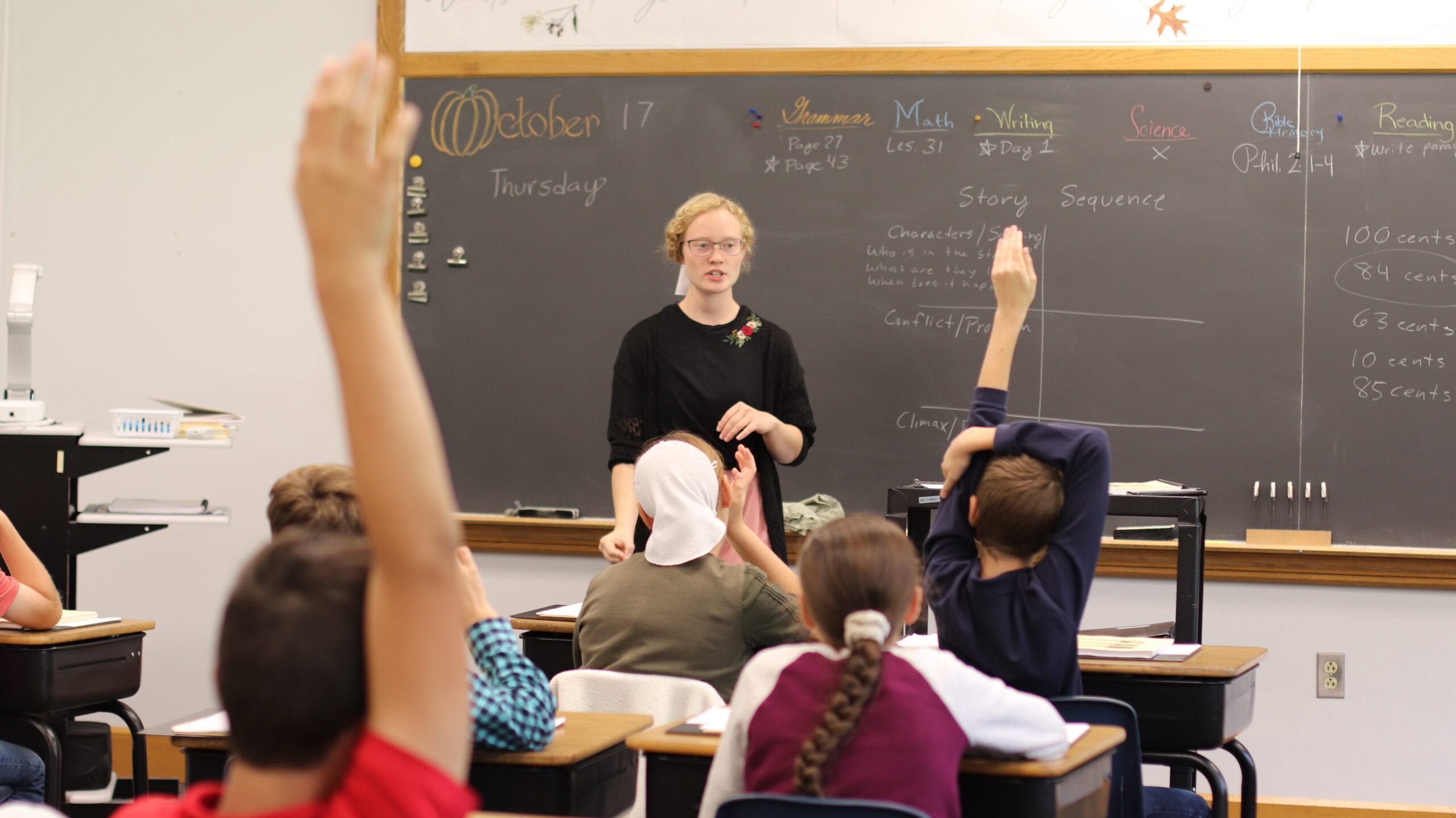
Stimulating, productive discussions are among the most rewarding classroom experiences for both teachers and students. Teachers can use specific strategies to ensure that a discussion doesn’t flop, either due to the excruciating silence of unresponsive students or the uncontrolled chaos of too many students talking at once.
Before the Discussion
Plan questions beforehand. Here are general types of questions that are useful in many situations:
“What connections do you see between _____ and _____?”
“What do you think about_____?”
“How would you feel if _____?”
“How would you respond to _____?”
“Can you explain _____?”
“What would cause ______?”
“What would be the consequences of _____?”
It is important to establish clear procedures. Before the first class discussion of the year, explicitly spell out how you expect your students to behave. Some examples of expectations you might establish include the following:
Instruction on what types of responses are relevant and what is distracting
Establish an environment of respect where students speak in turn and listen to each other
Demonstrate what respectful listening looks like and require it of all students (keep your own mouth closed, turn to face the speaker)
Develop hand signals to show students when you specifically do or do not want them to raise their hands before answering
During the Discussion
While a class discussion is inherently student-centered, you as a teacher still play an important role in helping the discussion to be fruitful.
Know your students—be aware of which students are likely to speak too much, which students will get overlooked, and which students are potential troublemakers.
Be prepared—in a lecture, you can decide what content you will cover. In a discussion, you will need to be prepared to explore any issue reasonably related to the discussion topic.
Begin the discussion—set the tone with a thoughtful question, controversial comment, or shared experience of reading an article or watching a video clip.
Ask questions—ask a student for clarification, to support his comment or opinion, or to respond to what another student has said.
Provide summaries—provide periodic summaries of what has been discussed so far.
Reflect—either as a group or on your own later, reflect on what worked well and what you might do differently next time.
Not all responses need to be verbal. A quick raise-of-hands poll such as “Raise your hand if you think _____. Now raise your hand if you think _____ instead,” can get all students thinking and responding without saying a word and often leads to productive comments from students who wish to explain their responses.
As long as it is sincere and relevant, every student response is a good response. Even when a student answers a question incorrectly or gives a comment that reflects faulty understanding, he deserves to be recognized and encouraged for making an effort to engage with the material and connecting it with his prior knowledge to the best of his ability.
Sources
Cultivating Healthy Class Discussions by Peter Goertzen Cultivating Healthy Class Discussions - The Dock for Learning
Effective Classroom Discussions IDEA Paper 49 Effective Classroom Discussions - The Dock for Learning