Fascinating Fix-ups
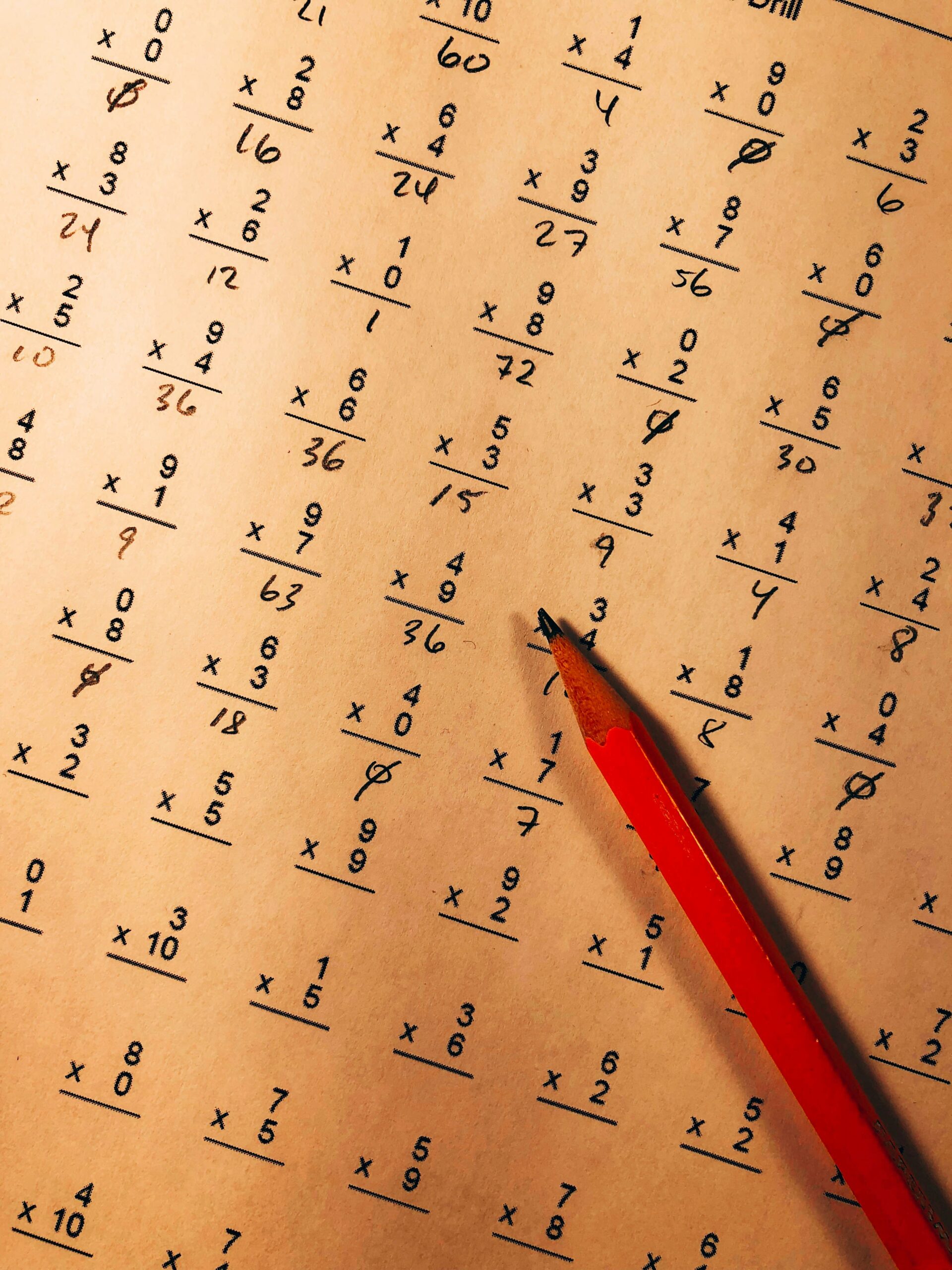
Many years ago I was visiting another school and classroom when I heard the teacher refer to “fix-ups.” I had never heard the term before and was a bit perplexed, so I asked her about it and she explained.
Fix-ups is the term used for students correcting their papers.
At first I was a little taken aback. Aren’t they just supposed to try to do well the first time? Isn’t that a bit lame giving them the opportunity to redo their work?
The more I thought about it though, I thought it was a fabulous idea, and one that I have been using in my classroom for years. Here are a few reasons why.
- Students try harder the first time, as they know that they will be required to correct any wrong answers. If approached correctly, it becomes a game or a challenge to do well the first time.
- It gives students immediate feedback so that they can see what they got wrong. This prevents establishing a wrong method, such as when learning long division. The sooner the mistakes are corrected, the better, so that no wrong habits are established.
- Grades on tests improve! The students get in the habit of working more slowly and carefully, as well as being more diligent with their work, and this transfers to tests.
- It establishes a culture of “excellence expected” in the classroom.
- It keeps students busy and hopefully not wasting any time.
Here are a few suggestions of how to implement the use of fix-ups in your classroom.
- Explain to your students what you will be doing: grading their work and getting it back to them as soon as you can so that they can correct any wrong answers. Stress that the goal is to have a 100% by the end of the day. Note: This applies only to daily work, not tests.
- Choose your subjects. We do this with math, language arts, spelling, and vocabulary, but you might want to start with just math and then work your way up.
- Grade like crazy! I have a camping chair that my students take up the stairs for me every morning break and at lunch. They set it down where I can see all of them, and I supervise and grade from my chair. I get fresh air and sunshine, the papers get graded, and the students know the parameters (don’t get the ball that went over the neighbor’s fence), so it’s safe. My goal is to have all the math papers that have been turned in graded by morning break, and the rest of everything graded by lunch. Using teacher’s keys, I can usually grade, supervise, and carry on a conversation all at the same time. Teachers have superpowers.
- Help! If my students have gotten a wrong answer the second time, I expect them to try once more, and then I will help them if they still can’t get it. This provides a good opportunity for them to see me work the problem up on the board, or to get an individual lesson at their desks.
- Good enough. I have found that students usually have a 98%-100% after the second fix-up, and I help them with the last one or two problems if they don’t. Every once in a while, we don’t have enough time for a 100%, but I expect at least an A (93% or higher), and then I call that “good enough.”
If done right, implementing the use of fix-ups can be a very positive, motivating, and helpful tool for teachers to use in their classrooms.
Photo by Chris Liverani on Unsplash