All Is Calm (Or Not)
I turn the calendar page to December and sigh. My rather grinch-ish thoughts begrudge the unsettledness that the next month can bring to the classroom. My well-established routines, the lessons moving along like clockwork, the things that bring structure to our days, are about to shift. I prefer routine and structure and most of my first-grade students perform better when things move along in familiar patterns.
December can be full of disruptions for young students. Teachers like to add a little extra to their routines—maybe an afternoon to go caroling for the grandparents, maybe practice for a Christmas program, maybe a Christmas party or two, maybe a craft period to create and send cards to someone who needs cheer, maybe help with a community goodwill project or other service activity. And then, there are disruptions outside of school. Students may spend several evenings throughout the month caroling with their families or going to family gatherings. There are extra community happenings. Some students may be anticipating traveling in a few weeks. Students stay out later and get less sleep and so do teachers. December can be a tough month to keep our classrooms functioning smoothly and calmly.
And yet, there is an air of Christmas that we want to embrace and celebrate. December would be dark and depressing without understanding the magnitude of Christmas, the wonder of God with us—in human form, a helpless infant born of a common family—the beginning of the ultimate sacrifice.
Over the years, I’ve learned to bring Christmas into my classroom and yet not allow it to totally disrupt the routines and schedules. We can’t do anything about extra busyness outside school, but we can work to create calmness in our classrooms.
First, teachers, let’s start with ourselves. We can get extra busy, too, and then we bring our loss of sleep and our mounting pressures into school with us. Do we remember and meditate on the meaning and purpose of Christmas? Do we get the rest and nutrition we need? Maybe we need to look at our schedules and prioritize the necessary and needed. Maybe we don’t need a redecorated classroom. Maybe we forego a few of the outside-of-school activities, so we will have energy for school. Because we all know that “if the teacher ain’t happy, nobody’s happy”.
Many students, especially younger students, do not respond well to disruptions in their routines. Keeping regular structure in your day will help with classroom management and discipline issues. So, bring Christmas into the classroom in a controlled spirit. We don’t need to do every activity that would be fun to do. I like to read Christmas picture books for story time in the days leading up to Christmas. I have a simple Christmas bulletin board I reuse each year. It’s a growing board in which I put up a part of the Christmas story each evening until we have the whole nativity on the board. The students enjoy guessing which piece will go next. I also have a Christmas story flannelgraph that I use for devotions. Art classes involve art projects with a Christmas theme. Extra busy work may also have a Christmas theme. These all easily fit into our established routines and don’t create extra work for me or need extra time from the schedule.
We have a long-standing school tradition that on the last school day before the Christmas break, the high school students give a party for the elementary students. While we don’t do a public Christmas program, each classroom is asked to present a short song, poem, story, or skit as part of the party activity. The need to practice our parts can lead to disruption, but I’ve learned to keep it simple and not stress the details. It helps me and the students maintain a calmer frame of mind, both in the prior days and in the moment of.
Christmas can also be time for service activities and a time for remembering those less fortunate than ourselves. This is well and good, but it is also good to stretch some of those activities throughout the year. There is a small personal care home within walking distance of our school. So instead of going Christmas caroling for an afternoon, each classroom takes turns going to sing for the ladies every other week during the school year. If you are caroling for older people, they may enjoy having students come sing for them in January or February when their days will continue to be long and the other carolers have disappeared.
When planning an extra activity, think through the details. Is there a way to incorporate the activity into established routines? If the activity is outside of normal routine—such as decorating sugar cookies—be specific in what needs to happen. The less students are at loose ends and unsure what they are to be doing, the more they and you will enjoy the activity. If your schedule feels overwhelming, decide if the activity needs to happen in December or could something similar be done later when you need a break from the cold gray days of February?
December is a month to be enjoyed, appreciated, and savored. If we keep our focus on the priorities and not the extras, we will find a certain calm amid the busyness, even in our classrooms of bubbling excitement. May the peace and goodwill of Christ invade your classrooms and bring joy to all involved.
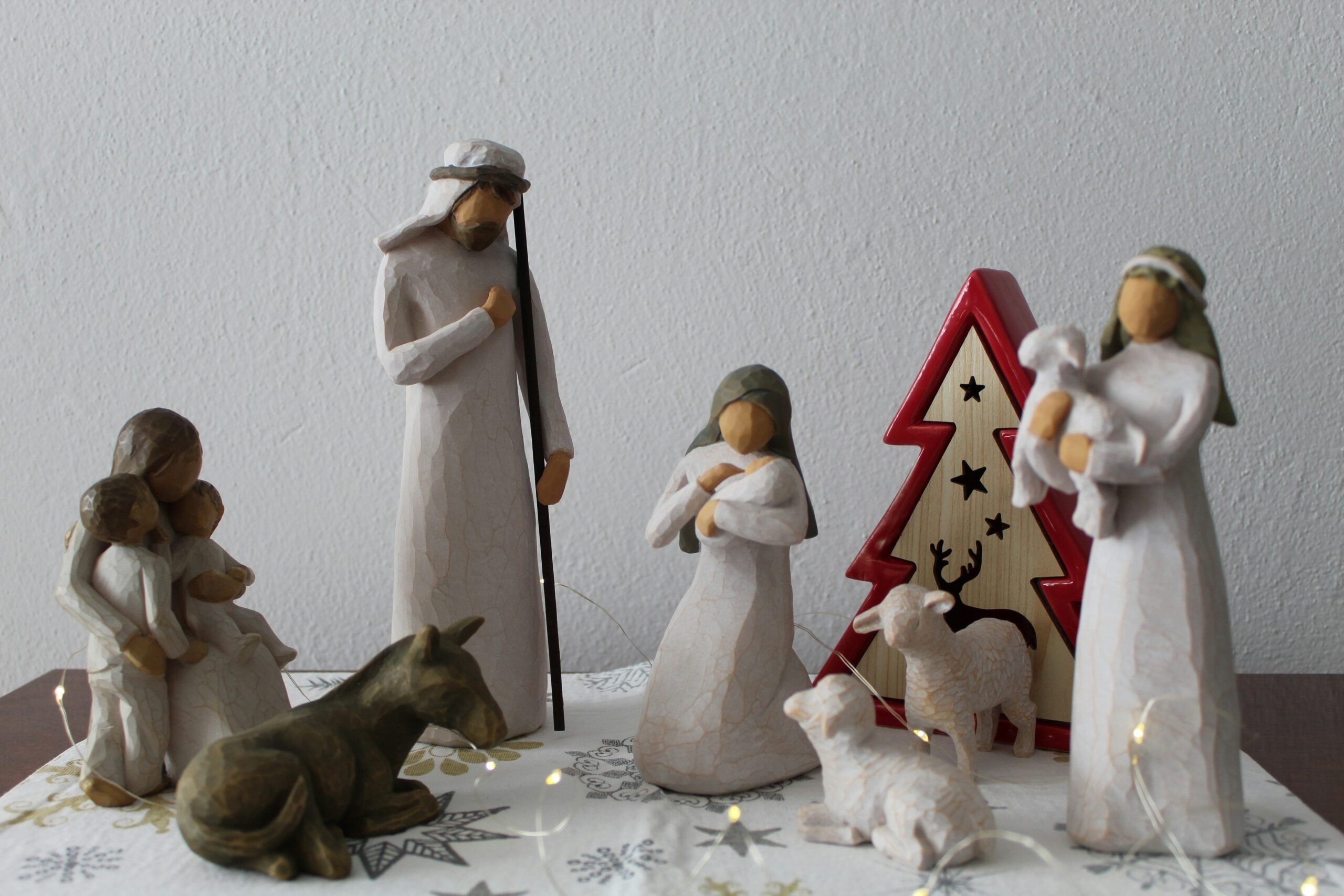
Photo by Alda González-Cuevas on Unsplash