Bookshelf: Books and Documents

Senior Trip Policy
This policy from Osceola Christian School outlines the purpose of the senior trip Washington DC. Use as a model for drafting a similar policy or to generate ideas for a trip to DC.
Osceola Christian School
High School Graduates – Washington DC Trip
Summary
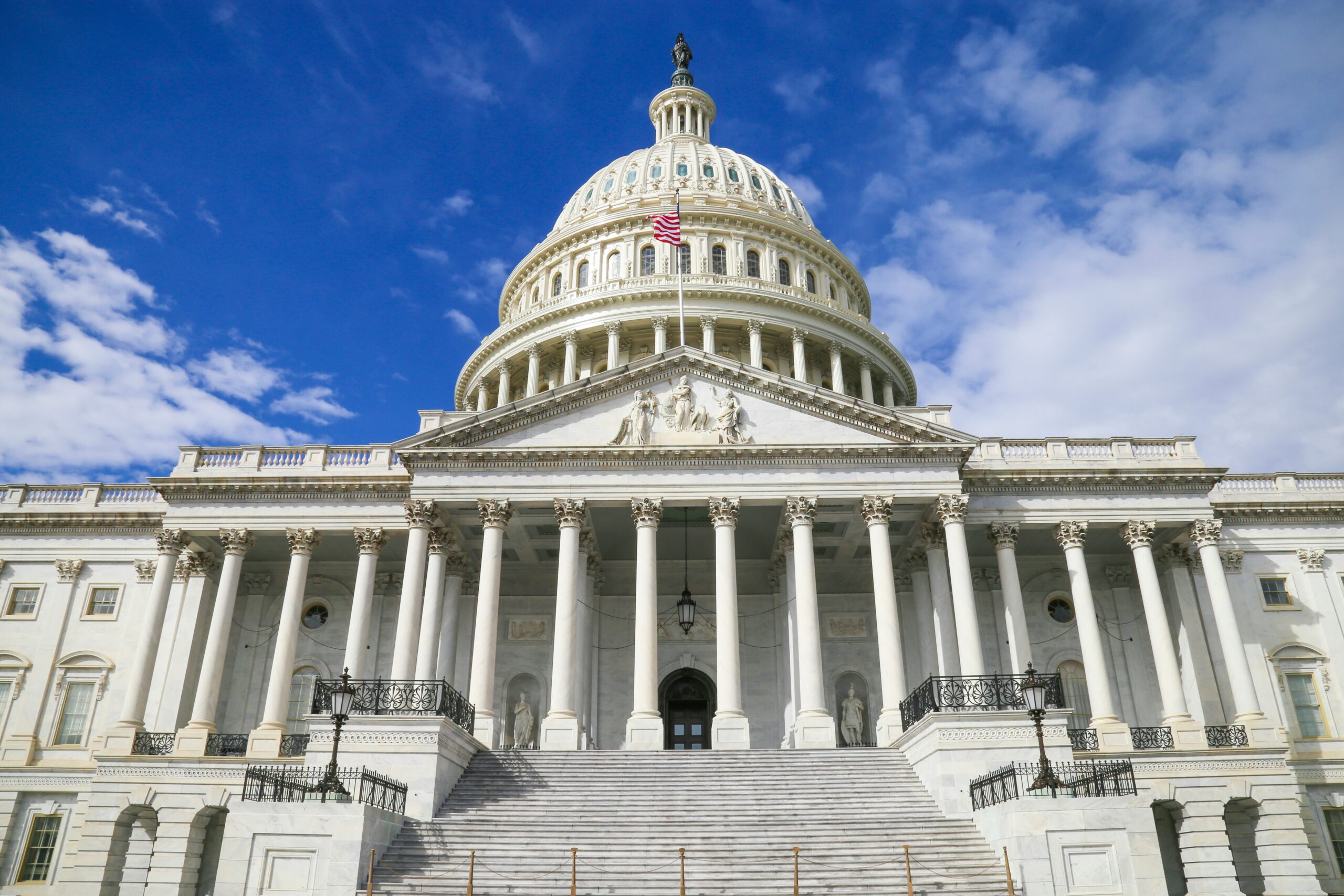
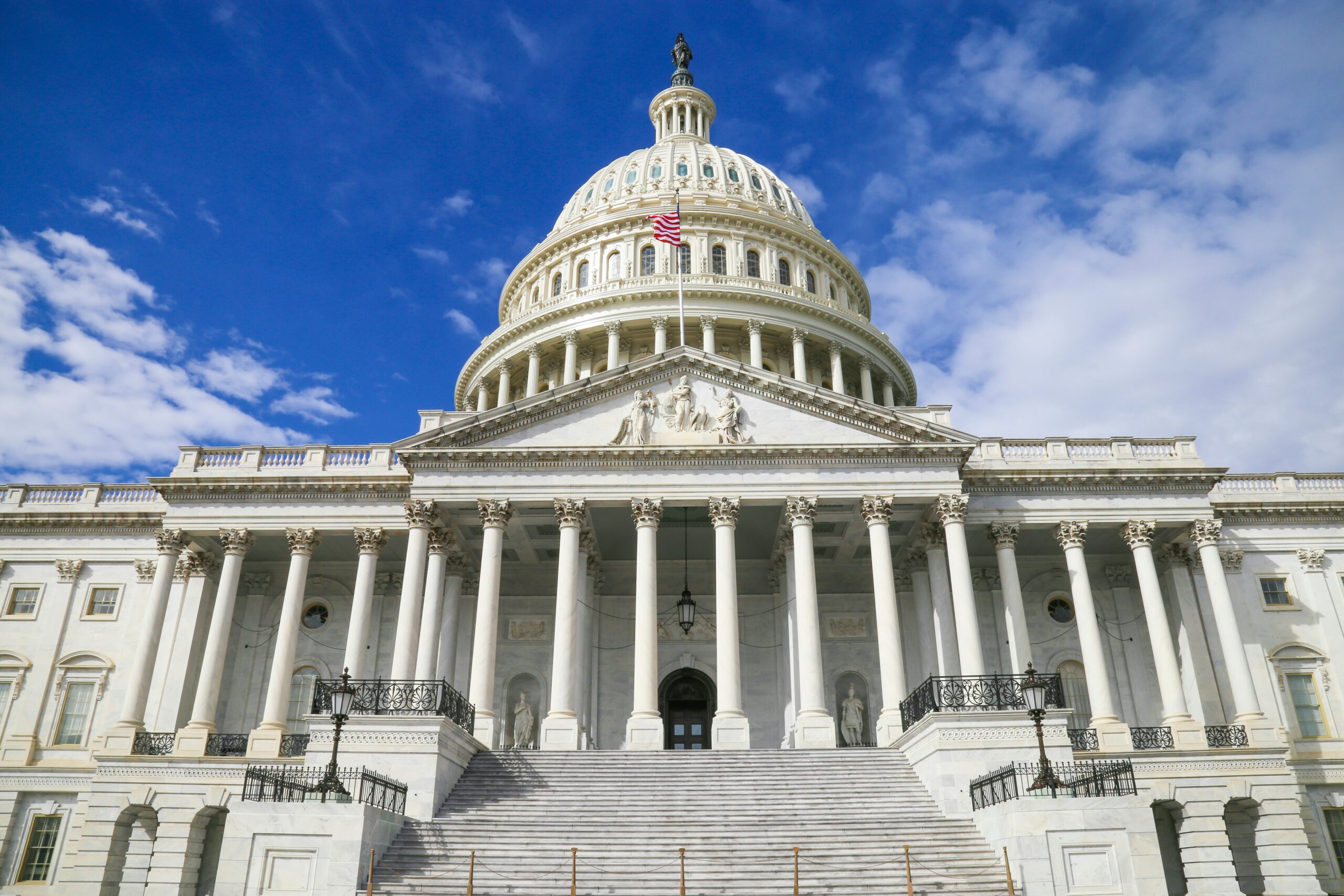
As part of the graduation process, OCS makes possible a well-thought-out highly educational trip to Washington DC to visit the Holocaust Museum, Bible Museum, Tomb of the Unknown Soldier, Eternal Flame, Capitol Hill, White House, and Arlington National Cemetery. The unique combination of visiting the Holocaust museum and Bible Museum alongside a visit to the USA Capitol provides a fertile environment to share the history of “The Skeleton in the Closet” on how the Anabaptists were hoodwinked into not seeing what was actually going on and actually participating in Hitler’s scheme to eradicate the Jews.
This trip provides a deep dive into how the political machine of our country operates with a field trip guide who can clearly articulate to the students the two Kingdom concepts and the doctrine of non-resistance, a core doctrine of the conservative Anabaptist people.
This trip also provides opportunity to educate our students on the history of this nation including the good, bad and ugly truths usually left unsaid.
The desired outcome is for our students to have an eye-opening experience that helps them appreciate our Christian Anabaptist heritage and gives them tools to think critically about the opportunities and threats we face in today's political climate of what it means to be 21st-century Kingdom builders.
Qualification
A student is qualified to go on the DC trip if he/she has successfully earned a diploma or if student has completed a custom graduation plan as prescribed by the admin team.
Trip details
- This trip usually takes place soon after school lets out during summer vacation.
- This trip is usually Monday through Saturday
- Parents are encouraged to engage their students in raising the funds for the trip.
- The total cost for the trip can vary from year to year depending on air fare prices and cost of renting an apartment for the week in Washington DC (estimated cost $1000-1200).
- Each year OCS appoints a Washington Trip sub-committee from the board and staff members to oversee the trip. The committee may delegate the actual planning and going on the trip to trusted brothers in the church who would like to participate.
- For continuity there will be overlap from one year to the next of the tour guide to ensure each tour guide has been properly trained.
- The sub-committee will meet with prospective parents of graduates at the scheduled OCS School meeting to give the parents an orientation and help them prepare for the trip well in advance.
- Students will be required to read at least two books and watch one video prior to the trip.
It is the vision of OCS to make this a signature part of graduating from our school and something students look forward to throughout their high school experience.
Photo by Louis Velazquez on Unsplash.

Teaching Resources for Children with Down Syndrome

The following is adapted from an email response by an educator and mother of a child with Down syndrome.
Fortunately, there are many wonderful resources today for teaching children with Down syndrome. Some of them are specifically developed with Down syndrome in mind. Others are intended for use with a wider spectrum of abilities.
I have listed below some of the resources that I used with our own son who has Down syndrome. He is now 16 and is a delight to our family as he reads everything in sight, learns to manage money, and works in our family business. He surprises us everyday with his capabilities, whether it is learning to drive the golf cart or calling 911 with his new phone (twice in one day with thinly-veiled excuses!!!).
Disclaimer: If you use the below methods and they work, I am not responsible for anyone else using number skills to call the ambulance unnecessarily.
Nevertheless, here are some suggestions.
Whole Child Reading is a good quick read that includes many of the successful methods I used with our son. It also explains the reasons behind the methods.
The two books below about how to teach reading and math are excellent; however, they may not be in print anymore. It looks as if you may still be able to get them from Amazon, and you might also still be able to find used copies. What I found invaluable was the introduction to the reading book which explained how to teach to inspire confidence and how to differentiate between teaching and testing. It also has an excellent chapter about the learning process. It gives good advice with specific examples such as the danger of labeling a child as stubborn when, instead, the problem may be that the material has not been broken down into small enough steps to ensure success.
Teaching Reading to Children with Down Syndrome
Teaching Math to People with Down Syndrome
DSE is a very good evidence-based resource. I used some of their printed resources/kits in teaching our son. They use the same method as the above books, but they have physical bundles with guides that are very useful.
I don't like using too many computer or tablet resources, but one that was helpful to our son was Starfall. It incorporated enjoyable learning without too many distractions, and the screen was simple and uncluttered. A subscription for one year is also quite inexpensive and could be used as support for whatever curriculum you choose.
Mercy for Marthas is a blog with plenty of information about education for children with Down syndrome. It has many helpful ideas as well as links to other resources. Even though it is a homeschool resource, the one-on-one methods will be useful in a school setting as well, especially if the child is being tutored.
Positive Discipline for Children with Special Needs is a good book for meeting the unique discipline challenges of children with special needs. Because of cognitive differences, children with Down syndrome often don't make good connections between their behaviors and punishment. This confusion for why they are being punished can really destroy/delay advancements in behavior and academics. Spanking is particularly ineffective because many of our children with Down syndrome don't process pain in the same way other people do. This book provides other ways of providing kind yet firm guidelines that work much better than traditional methods for children who are developmentally delayed.
I wish you the best as you serve our Down syndrome community by learning how to serve one precious child.
Photo by Pavol Štugel on Unsplash.



Why Should I Graduate from High School?
The following is an edited compilation of responses from Anabaptist school administrators to the frequently asked question of why students should graduate from high school.
Cultivating Kingdom vision
- It is true that many of the successful businessmen and farmers in our communities have no high school diploma, and it is possible, especially in our Mennonite communities, to be very successful without a diploma. However, is that all we are about in the Kingdom of God—making successful businessmen? Many people get called out of farming and business to serve in missions in some way, or even to be our pastors. Many countries are closed to missionaries, and the only way to get in is with some kind of tentmaking skill with a degree backing it up.
- The men and women our schools train for the Kingdom should be able to think well, articulate in defending the faith and sharing the Gospel (so how can you hate grammar?), proficient in many areas, highly skilled in managing time, able to get along with lots of different kinds of people, passionate about things that really matter, etc. Where are the conservative Mennonite apologists and theologians? Our lack in these areas inhibits our effectiveness in the public square. Do we not have something worthwhile sharing with the world?
- Financial success should not be the only measure of value. Sure you can be successful without a diploma. But what is your calling? If you or your parents don't know what your calling is, then it would be good to stay in high school, because high school is designed to prepare you for various callings, of many shapes and sizes.
Learning how to learn and think
- One of the most significant aspects of high school is learning how to learn. The main goals of high school are to teach students how to process information, to develop discernment, to solidify and deepen the strategies for learning they have learned in elementary school.
- Some of the best classes, especially elective choices, are in high school. This is your chance to argue about and wrestle well with non-resistance stories and other life questions like whether to baptize forwards, backwards, or from the top. The issue is, students often don't CARE at that age, but in 10 years they'll wish they knew more about church history. Perhaps that is where winter bible school comes in, or maybe that's about volleyball too. So it is the teacher's job to make them care, at least for that day, but hopefully longer. The point can be made that 10 years from now they'll be glad they did graduate (caveat: assuming good high school teachers).
- High school is different from grammar school. By eighth grade you may have learned everything you need to know if you are going to be a butcher (dividing sheep), a baker (counting rolls), or a candlestick maker (?). However, high school offers not just more content, but practice in learning how to learn—learning how to think and reason well, which translates to not being sucked into advertisements and Nazi propaganda. An alumnus told me recently when I asked whether he thought it was good he had Earth Science in high school or should we consider another science option that we should continue teaching Earth Science, not necessarily because he thinks he's "using it", but because he remembers learning how to learn was emphasized. It is totally valid for a student to say "I won't ever use this." I never try to win the argument that they will need to know the difference between monogenetic and polygenetic volcanoes in order to be successful in life. Rather, what will you use? Your brain, which you are using right now, and your heart, which you should exercise to be amazed at God's nuance in creation, and also the process of science itself, a pursuit of observing God's creation. Perhaps you'd rather look at polyps in the sea, but all are interesting because God put them there.
- All the subjects get more interesting the deeper you go. But yes, it is hard work. It's only for high schoolers! It's like the difference between volleyball or softball in 1st grade or 12th grade. You can't really spike or hit a homerun until you've grown and worked hard, and then the game has a whole new meaning! History helps you contemplate your identity and purpose at a time of rapid worldview development It's amazing what you can do with math, a symphony can be stored in a series of ones and zeroes! Science gets more amazing the deeper you go in molecular or cellular structure; DNA proves cold cases, healthcare has dramatically increased our lifespan. But our students need to hear, see, or be exposed to these realities and stories in an energetic way, including videos, field trips, job shadowing, research, visiting speakers, etc. just for starters. Maybe English is a stickler, so let's be honest, are we giving them good literature experiences?
Succeeding in today's economy
- Today's college is yesterday's high school and today's economy assumes a diploma for common jobs, including getting a job on our local township road crew to plow snow. Therefore, having no diploma is seen as being a "drop-out" which raises red flags for employers.
- Agriculture and trade industries are getting more sophisticated as equipment becomes increasingly computerized.
- The abundance of Anabaptist employers who will hire you without regard to your level of education skews our thinking. It is very difficult to get a job in a non-Anabaptist business without at least a high school diploma, which can limit opportunities for ministry. Students have no idea where God will take them in life; therefore, it is best to be prepared for anything.
- A diploma opens many doors of opportunities, opportunities students may not realize at the moment they may want or need. Some students have legitimate academic struggles and probably should not be pushed. But I am truly sad at the many bright ones that have a low view of academic endeavors.
- Good or bad habits and attitudes often transfer to the workplace. What employer wants to hire someone who says they hated school, didn't want to be there, showed up late, didn't complete their work, did as little as possible, but says they'll work hard someday? If you have a poor attitude about your required work now, you probably will be complaining about work in 10 years and have one of those stickers on your truck.
The problem of soft parenting
- Young people are typically not in a position to make a wise decision about this issue. Soft parenting shows itself in allowing the student to decide if they will complete high school or not. This is most unfortunate because young people lack sufficient perspective to wisely choose in this matter.
- Soft parenting is a teaching on which we need teaching. Our people need to understand the tendency to react to perceived insufficiencies in the previous generation. I say "perceived" because many times our perception is not totally correct. We often miss the strengths of the preceding generation. This teaching should come from our pulpits and from fathers who are honest/brave enough to talk to their congregations/children about parenting styles, including their own. Why should we let our children's understanding of proper parenting rely totally on observation? Tell and show them the right way with a healthy dose of humility.
- I would always recommend asking the parents nicely why they feel it's best to let the child make the decision. Yes, we do need constant teaching on parenting. This is a place to bring a non-threatening stranger in to speak at your parent-teacher meeting. One recent family interview in my office saw the child bouncing around wherever the child felt like going or doing. If parents are letting their pre-schoolers do whatever they feel like, it's too late to tell teenagers otherwise.
Caveats and concessions
- We should value but not overvalue education. Educators naturally believe that what they do is very important and easily take personal offense if students or parents don't value education as highly as they do. The decision should always and ultimately rest with the parents. If they choose not to have their child complete high school or to leave the decision to the child, it is the school's responsibility to respect their decision.
- I have had a handful in the last decade who had academic learning difficulties such that I (and they) felt it would be a waste of everyone's time and money (not to mention teacher frustration and poor school morale) for them to attempt sitting through Shakespeare and Algebra II. They also had dreams of welding and farming. Both went on to do so, but not without parent-teacher conferences.
- We need good high school teachers who know what they're talking about to engage the students and live deeply to model life. As one administrator put it on this forum, it's 20% the curriculum and 80% the teacher. If we don't have the staff, it's harder to argue they should stay, just because they should.