
All Content
The Good Things of This Time: Guiding Lower-Elementary Learning at Home
How do teachers maintain human contact with their students during the shutdown? How can relationships grow during enforced separation? What are some tips for using Zoom effectively? How can students maintain their drive to learn?
On April 23, a group of lower-elementary teachers met online to discuss teaching during the pandemic. Here are some of their comments.
More on Trennis' video teaching assistants:
https://thedockforlearning.org/audiovideo/little-video-teaching-assistants/
The following day, high school teachers and school administrators met. Below is the recording of that meeting:
https://thedockforlearning.org/audiovideo/faithful-to-the-end-a-web-meeting-for-administrators-and-high-school-students/
Little Video Teaching Assistants
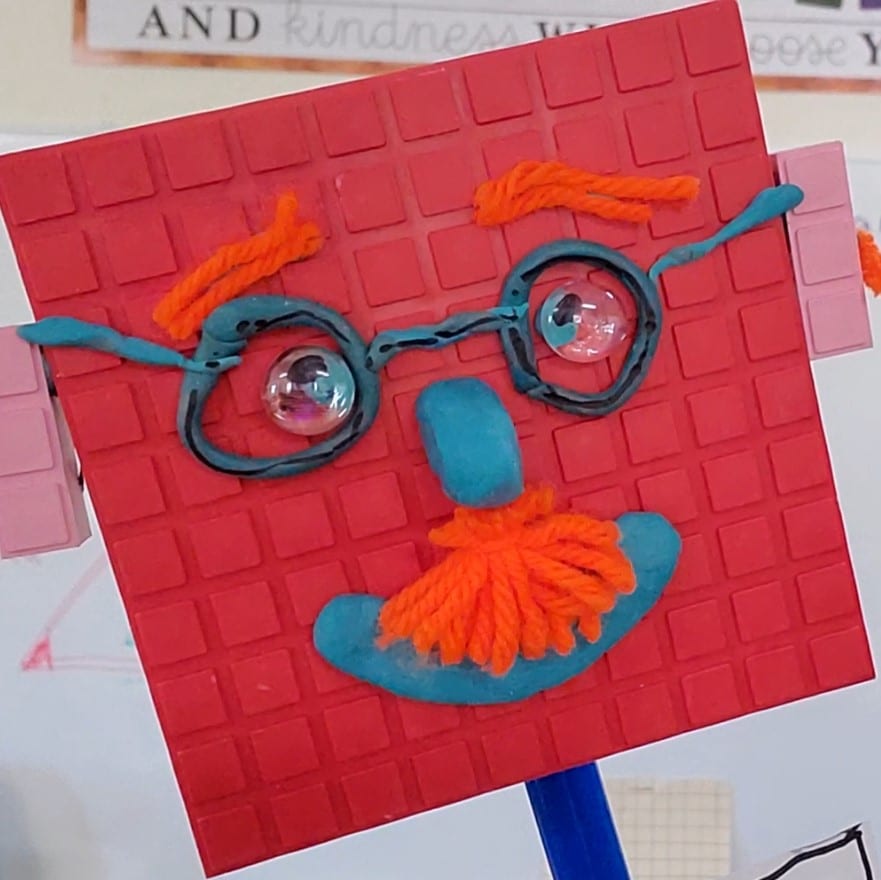
If you feel lonely in front of your camera, Trennis has an idea: Hire some small assistants. Trennis writes:At first I started really simple by using them as a little intro to my videos to break up the boredom. But as I progressed and became more comfortable, I found ways to make them relevant to the class I was teaching and started using them as "lesson hooks".

Consistent Grading Methods
When report card time comes, are your teachers looking forward to the job? Have you, as a board, empowered them with the information that they need to handle this important aspect of their work with confidence? If not, listen to a discussion that could bring clarity to the situation.
Class Trips
Class trips are always a highlight for the students and teachers alike. We all enjoy planning them, participating in them as well as reminiscing on them. However, why do we go on class trips? Are class trips simply a reward for work well done? Maybe they are simply a break for the classroom boredom. How are we able to direct these off site trips in a meaningful manner that contributes to the work of a Christian school?
The Foundations of Genesis
The scripture asks this question: If the foundations be destroyed, what can the righteous do? What foundations are found in Genesis that we build on to this day? While the world around us is ignoring and denying these fundamentals found in Genesis, will our Christian schools build on these foundations?
Pastoral Support For Boards
As we probe the need that is implied regarding pastoral support for boards, there are questions that face us. What is effective support? What are the ultimate goals in view? Can roles be crossed or minimized? How does the fruit of effective support look and how is this accomplished? Bring your questions, experience and observations along for discussion to develop greater effectiveness in the work of the Churches of God.
Extra-Curricular Study
Have you ever wondered how to justify the following two statements? 1. Readers are leaders. 2. John has so much spare time he is always asking for a library book. Well, I have wondered too. But could we sometimes guide his avid thirst for reading? Could we nudge his overflowing interest to its greatest potential?
Her Husband Is Known in the Gates
How can a wife enhance the work to which her husband is called? How might she hinder the work? Is there a different code of conduct assigned to a wife whose husband serves publicly? Or is her Christian character merely given opportunity to exercise itself in new ways?
How Thinkest Thou?
True education will always enhance a reverence for God and His Word, building conscience to walk in His Word. It is more than a preparation for life; it is a preparation for eternal life. Life in the Son. We think the way we do because of what we are, and we are what we are because of how we think.
Pray For Your School
We agonize over how to help teachers. We spend hours at board meetings discussing slow students. We wonder how to help the children from stressful home situations. We long to recover innocence in a classroom where impure influence has entered. In the early days of the Christian school movement, our churches spent hours praying for teachers, legal privileges, curriculum, and conviction. Are we now taking this for granted and forgetting that only God can make our schools work? Prayer is the key
Dyslexia: Recognizing and Addressing the Needs of Your Students
It seems there is something comforting about naming a problem. A doctor's diagnosis is somewhat consoling, even if the remedy may be difficult. Of course the best is when the doctor can prescribe a few pills that will easily solve the problem. Is dyslexia real? How much comfort can we harvest from the name? Are there any available pills? Are there any "quack" remedies that we would do well to avoid?
Practical Steps In Choosing Curriculum
Student needs, teacher suggestions, parental wantswho finally makes school curriculum decisions? Should cost be a factor? How much do we adjust curriculum for slow or disadvantaged students? Is a Bible-based curriculum important? After all, we read the Bible at church and at home. Can we utilize secular textbooks? Does the discipleship level portrayed in our textbooks have any effect on our children and churches?
Why Teach History?
Boring, just a multitude of dates and names, musty tomes... or lively, fascinating, must-read? In this fast-paced modern society, we need history more than ever. Find out who you are, where you came from, and where you are goingall from the pages of history. Our students need history classes that give them a life-long appreciation for what the past tells the present.
Hands-On Learning
There are many ways to learn. We learn by reading, we learn by following the example of others. We learn by asking questions, or by experimentation. Listening to instruction is also a common way to learn. But not all students have the same aptitudes or interests. Students will retain only a fraction of what they "hear" or "see", but much more of what they "do". Are we using the concept of "doing" to its greatest potential?
Productive Board Meetings
It has been said that your greatest personal asset is your time and school board members are often among the busiest men in the community. How can board meetings become highly productive and an excellent investment of time for the good of the school community? Consider the preparation, format, engagement and conclusions that contribute to productive meetings.
Seeking a Right Way: Preparing for Schooling at Home
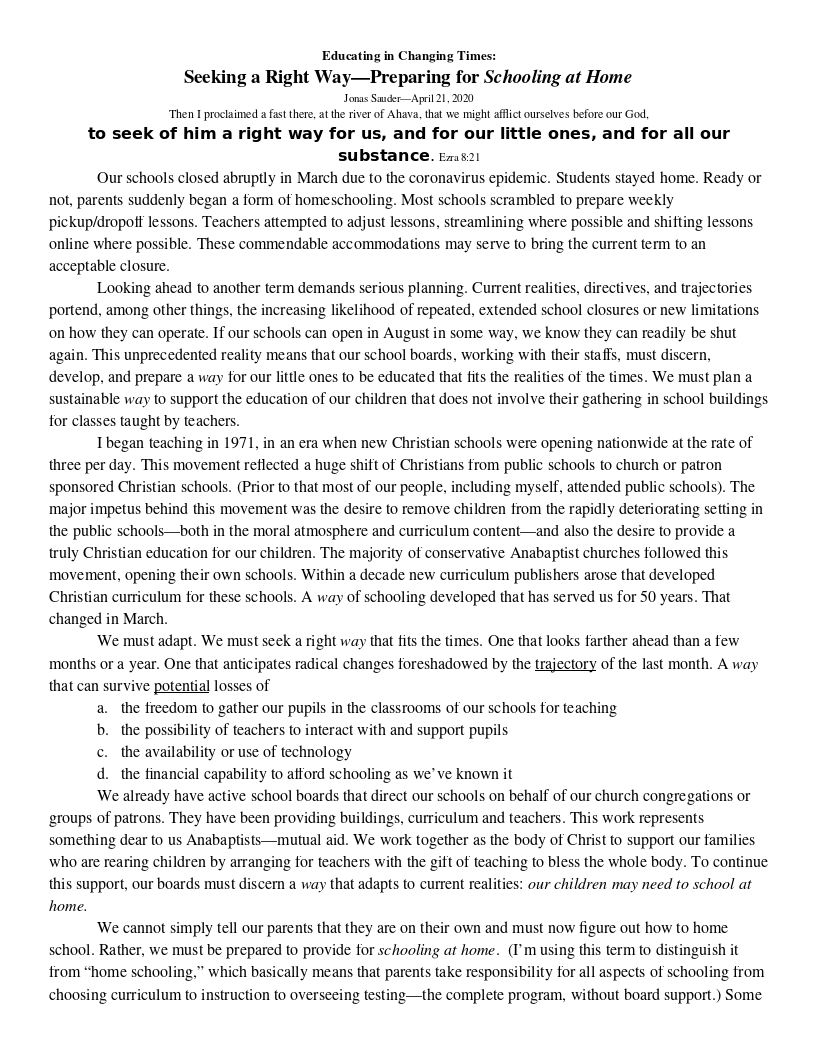
In this essay, Jonas reflects on what we can learn from the coronavirus shutdown. How should schools plan for the future? How can our communities prepare for the new normal, if that normal includes extended times of learning from home? How can schools support parents who find schooling at home extraordinarily difficult? Rather than a collection of ideas for coping, Jonas outlines what he believes could be an altered model for private schools.
Download the essay or preview it below.Look for further resources from Jonas on this topic in the days to come.
Four Spring Read-Alouds for the Elementary Classroom
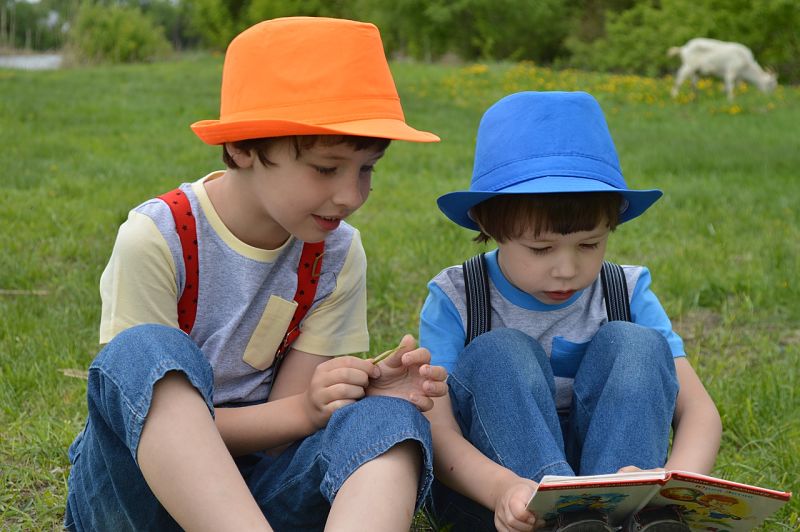
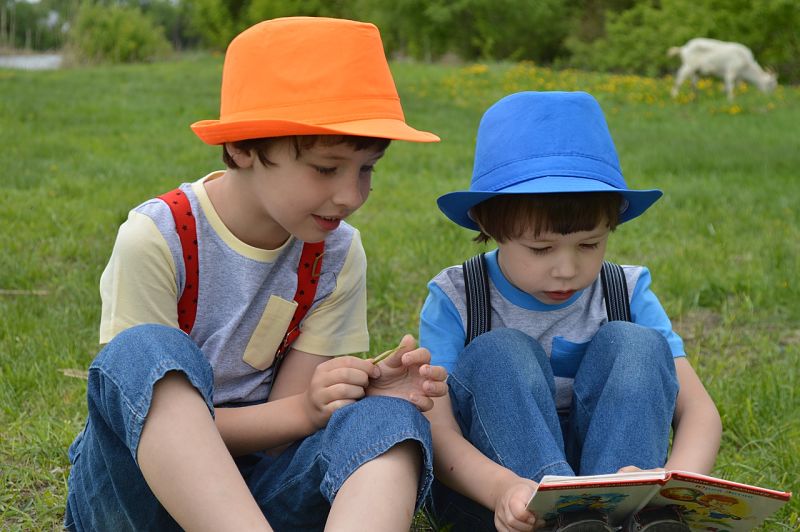 Image by Виктория Бородинова from PixabayI realized that I never truly appreciated the change of seasons until I became a teacher and observed the children’s excitement grow with each new discovery of a new season approaching. Their handfuls of colorful leaves decorated our classroom in the fall. The excited stories of snow and the adventures building forts, sledding hills, and creating snowmen interrupted our class time during the Winter. The early flowers in jars with water were proudly given for display on my desk in the spring. And of course, the warm weather approaching summer brought the sounds of students studying outside. Here are just a few books and extension activities that will allow you as a class to notice and anticipate the arrival of spring.
What Will Hatch?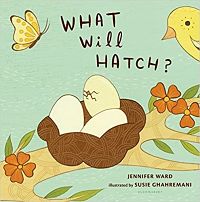
A book of few words and large illustrations, this book is a very quick way to introduce your students to oviparous animals, animals that hatch from an egg. Each layout features a close up of the eggs followed by a close up of the animal that hatches from the egg. Your students will enjoy guessing which animal hatches from the egg as you turn the pages. Do not skip over the back two layouts as additional information is given about each of the eight animals as well as more details about the egg development of the chicken.
Extension: This book can be used in your science lesson to introduce a unit on oviparous animals. Take the time at the end of the book to brainstorm, with your students, other animals that hatch from an egg. Have each student choose one of those animals to research and answer the same questions that the book addresses:
- How long does the animal stay in the egg?
- What does the mother do during this time?
- Where does she lay the egg?
- How many siblings will there be (how many eggs are laid at the same time)?
The Golden Glow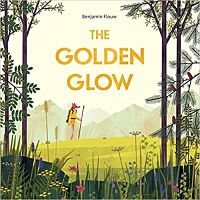
This is currently my favorite book on botany. We pulled it out in the autumn as we took nature walks, and it is reappearing on our shelf this season as we find the first flowers and new green growth. The book is a charming fiction account of Fox trekking through the woods in search of flowers. The author artfully incorporates a spread on wildflower identification, another on the five different zones of a mountain, and finally a drawing of the six main parts of a flower.
Extension: This book can be used as springboard to introduce a botany journal to your students. As the students encounter the new flowers that Spring brings, have them take the time to draw one flower per page in their journal and try to incorporate as many of the six main parts of a flower that they can see.
When Spring Comes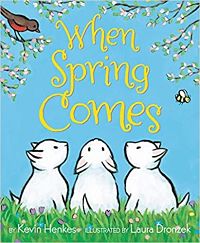
With simple text and full page illustrations, Kevin Henkes draws the reader’s attention to the signs that spring is coming. He writes in a poetic style and the book is full of the contrasts of winter and spring in the trees, snow mounds, grass, eggs, seeds, weather, garden growth, new animal births, and the smells and sounds of the changing world.
Extension: This book is the perfect way to introduce poetry to your students.
- For the new writer, you could have them start with the same way that Henkes starts his book, “Before spring comes, _________. But if you wait spring will bring _________________.” He repeats the same pattern on pages 7-8 and pages 15-16.
- For the student who understands alliteration, you can re-read pages 22-24 and have them choose a letter(s) of the alphabet to add their descriptions of what spring brings.
- For the more advanced student, you can incorporate several of the poetic elements that Henkes uses and write poetry for the next season – spring turning into summer.
A Butterfly is Patient 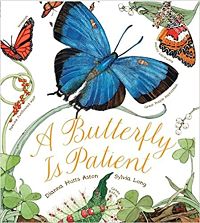
This poetic book with its intricate illustrations and informative text could probably take up an entire science session as you introduce butterflies with your students. The text is scientific, informative, and well-researched. It is full of the varieties of butterflies, their process of metamorphosis, and other fascinating butterfly facts. This is the perfect book to introduce a unit on butterflies or a butterfly collection project.
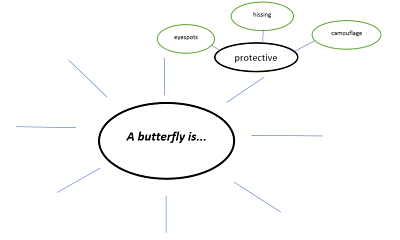
Extension: After reading this book as a class, have your students help you complete a chalkboard web on the descriptions of the butterfly with the center of the web stating: “A butterfly is…” Each of the connecting spokes should be filled with one of the twelve descriptions uses on the layouts throughout the book. You can draw additional spokes from the original spokes with examples or details. For example, under the spoke, “protective,” one might add “eyespots,” “camouflage,” and “hissing.”
This activity could be done as a whole-group review, as pairs/group of student(s), or as an individual assignment where the aim is to complete as much of the web as possible without having to refer to the book.
Intro to Teaching Master Document
This file contains information, lesson plans, assignments, and activities for an Intro to Teaching/Student Teaching/Teacher Apprentice class. There are lesson planning forms, student lessons, and notes from Arlene's instruction.
Arlene notes:
One year we offered Student Teaching (our course title) as a high school elective and another year we offered Intro to Teaching, also as a high school elective. I co-taught both classes, and enjoyed doing that. The classes were very similar. The class met for teaching sessions where they learned about lesson planning, classroom management, teaching techniques, etc.: various topics about teaching and children. They spent quite a bit of time in elementary classrooms, observing, helping the teachers, and also teaching some lessons. They met with me for instruction and other activities: I would teach them while my first-graders were at recess or music, and they would stay in my classroom and work on their assignments and lesson plans, etc., while I was teaching my class. Sometimes they would observe me, take notes from my teaching, work with my students in small groups or individually, or teach a whole-class lesson to my students. I would observe them and give feedback.