
All Content
Achievement Parties: Motivating Your Students to do Their Best
The best kind of student motivation is intrinsic to the process of learning, but sometimes students need an additional incentive to inspire that extra push toward excellence. What if you could offer hardworking students a rewarding experience that is both educational and fun? In this video, Deana Swanson explains how she uses achievement parties to motivate her students to invest some extra effort in their work. In addition to sharing ideas for party themes, food, costumes, and activities, Deana describes how to structure the criteria so that all students have a reasonable chance at participating.

To the Teacher of the Difficult Student
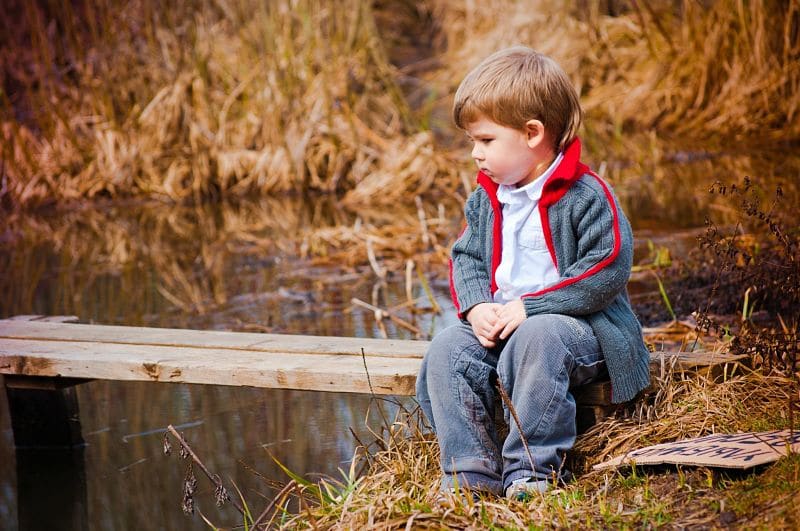
RAD, ODD, FAS are letters that may be attached to students in some of our classrooms…letters that mean extra stress for the teachers and administration in those classrooms and schools…letters attached to children who are precious in God's sight… letters attached to children who will grow into accountable adults…and you are the teacher of such a child. *
You may be frustrated. You may be angry. You may be discouraged. You may feel helpless. You may feel alone. And, you are weary.
Dear teacher, take heart. You are not alone! Others of us walk in those same shoes. Over the years I’ve known what it is like to spend an hour working with a defiant child and still not feel like we settled the issue. I’ve known what it is like to search for a child who ran off in defiance and hid. I’ve known what it is like to have a six-year-old yell in my face that he hates me and that I’m the meanest teacher ever and that his mom and dad are so mean, and nobody likes him. I also know that he doesn’t mean what he is saying but that he is a master-craftsman (at six) in trying to evade personal responsibility for his actions. But I know he must learn to take responsibility and that his parents are trusting me to partner with them in wrestling for his soul.
A mother of such a child once told me, “We must understand that our children have come to us because they are products of sinful living. This is a not just an earthly battle, it is a spiritual battle.” So, teacher, the first thing to look at is the big picture. It’s not about the current moment…it’s about the whole. Where do we see this child in twenty or thirty years? For some children the first picture that comes to mind is bleak—a repeat of a sinful cycle of brokenness, a jail cell, or worse. Can we envision a redeemed future for this child? Such a vision cannot just be wishful hoping that it will happen. It takes prayers and tears and sweat. It takes fortitude and tough love at times. It is hard work. And in the end, the child still makes the choices, but it is our job to help give them the tools to make the best choices.
One morning, as I was preparing to face the day, I read Philippians 4:8. “Finally, brethren, whatsoever things are true, whatsoever things are honest, whatsoever things are just, whatsoever things are pure, whatsoever things are lovely, whatsoever things are of good report; if there be any virtue, and if there be any praise, think on these things.” My mind was saying, “But things aren’t lovely and of good report. It would be dishonest to say they are”—and then my eyes saw again the first part of the verse, things that are true and honest and just. I realized that I must also recognize the truth of the situation—that I had a defiant, disobedient child who needed his teacher to provide a governor for his actions. And, then, I could find and acknowledge the lovely and praiseworthy. To overlook his wrong actions because I just wanted to think on the good things was not being just or honest.
So, what are some ways of working with a difficult child?
- Pray for the child. Pray for their parents. (They have a harder job than you do.) Pray for yourself. Pray to see the child as Jesus sees them.
- Provide structure with accountability and consistency. This is huge (and hard). One key factor to providing accountability is to be able to administer consequences without rancor. You can even smile and calmly tell the child that they have a consequence because of their action. You don’t need to argue, explain yourself, or back down when the child gets upset. You don’t need to become frustrated or angry with the child. (In fact, doing so, just negates any good that came from giving the consequence.) You can be firm without being stern. Another key is to be consistent. Keep the same rules and procedures for everyone in the class and be consistent at calling out misbehavior. **
- Don’t give in to bribes or pleas. Bribing a child might seem the solution for the moment, but it’s never long term and it usually creates a bigger problem down the road. The “give me another chance” plea is usually a stall tactic that doesn’t work either. The children I’ve worked with were usually much happier once I’d given consequences and the matter was taken care of.
- Have the child “mend their fences” whenever possible. First administer the consequences and then when the child is in a workable frame of mind they need to right their wrongs. If they destroyed property, they need to fix it. If they scribbled on their desks, they clean it off. If they upset their workspace and throw things across the room, they set it back to rights. If they ran down the hall in defiance, they walk back down the hall correctly. This helps them understand consequences for their actions.
- Communicate and work with the parents. I was privileged to work with parents who had set the bar high for their child. They knew what the child was capable of and held them to that standard. They did not ask for special privileges for their child; in fact, they realized that bribing them with rewards or treats beyond what the rest of the class received was counter-productive to their child’s long-term success. I’ve also worked with parents who didn’t have as high a goal for their child and it left me feeling more on my own in dealing with their child. However, daily communication was still a big key in keeping everyone on the same page. Be honest about what is happening in the classroom. Above all, don’t undermine the parents’ concern for their child.
- If possible, have a plan in place before the child enters the classroom. Communicate with the parents to be as prepared as possible. Communicate with your administration. Keep them informed of the challenges and how you are meeting them.
- This child will not be the only one you are responsible for if you are a classroom teacher. Ask for help if one child is taking up so much of your time and energy that you are neglecting the rest of the class.
- Work on building a relationship with the child. Chat with them. Know the name of their dog. Know their favorite pastime. Notice them at church or other places outside of school. Never speak to them with an angry or frustrated tone. Never beat down their self-worth.
- Remember, that when they defy you, it’s not personal. They are defying authority and not you as a person. Be realistic. You are not the savior of the child. The job is bigger than just you. But you are called to love and work with the child the best you know. Remember, too, that tomorrow is another day. You can all try again.
At the end of the year, I hope that you will be able to see growth—growth in yourself as a teacher and growth in the student you are working with. I have always been blessed by those times I’m called outside my comfortable box and have been stretched by those who need more tough love and understanding than the rest of the students in my classroom. May God bless all our endeavors and give us the needed wisdom for each day.
____
*I know there are people who question the validity of these labels. I also know the labels keep changing. People are correct in thinking that good, old-fashioned discipline would dispense with the labels for some of those children. However, children who fit these labels do end up in our classrooms and we must work with them. An excellent resource for understanding what it’s like to work with a difficult child is the book Tanisha by Jewel Carter and published by Christian Light.
**The website: www.smartclassroommangement.com is an excellent resource that demonstrates how to set up and deliver structure and consistency.


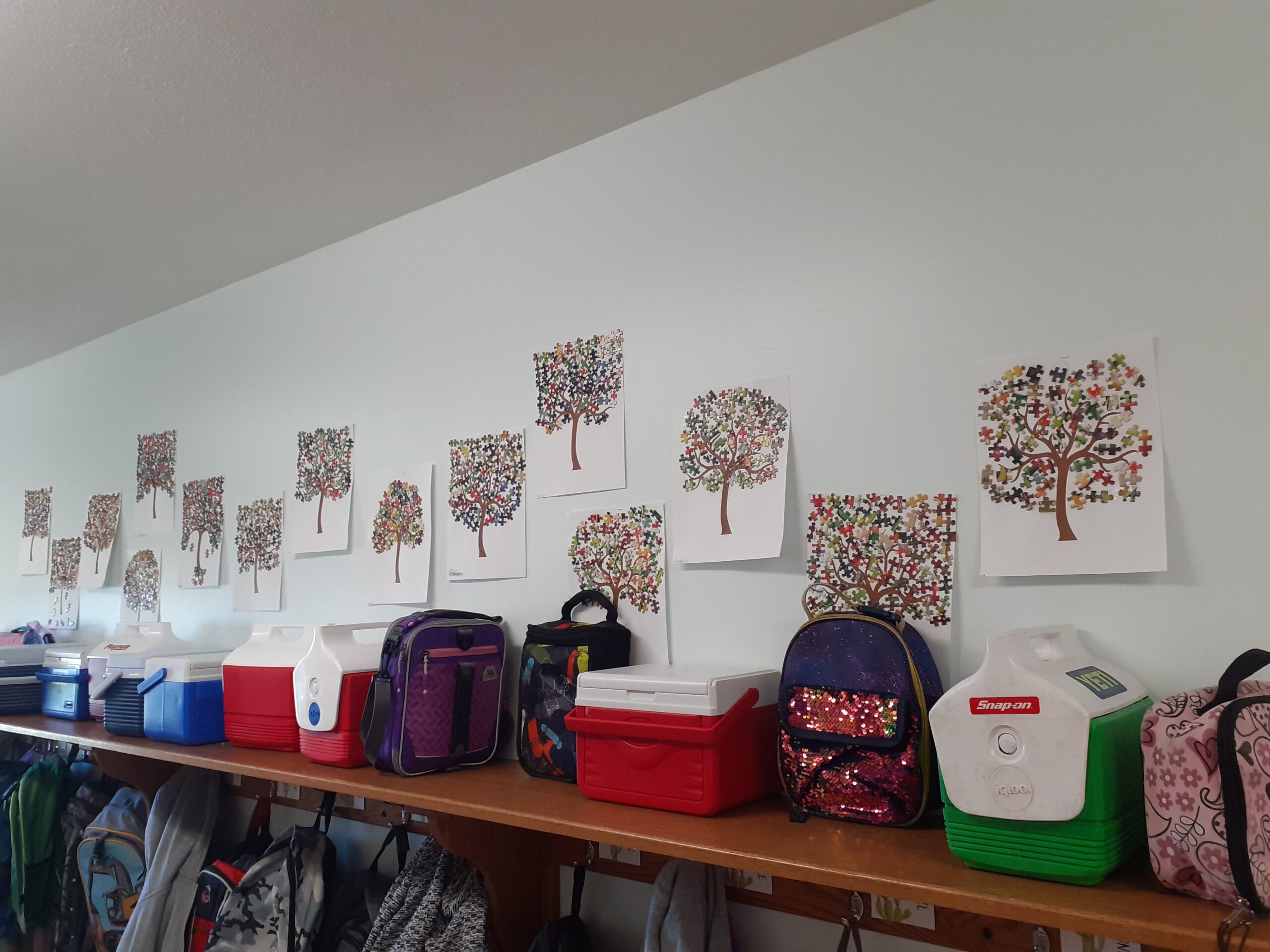

CLE 4th grade math textbooks
We have 8 4th grade math textbooks to sell. Six of them have been used for two years, and two have been used only once. The covers show some wear, especially at the corners, but they are in good condition. We would be happy to get them to you for $100, plus shipping. A teacher’s guide and student solution key will come with it. If you would like to buy a few instead of the whole lot, contact us.

Cultivate Gratitude in the Classroom

Photo by Priscilla Du Preez on Unsplash
“I’m thankful for vultures!” We were making a list of things we were thankful for and “vultures” was one item listed. (Have you ever thanked God for vultures?) When I wondered about this, the child said, “Because, they eat dead things!” Okay, that makes sense.
There have been a number of hard things to deal with in the last couple years, so I assigned myself to finding 10 things to be thankful for each day. I would think about this on my way to school, and it really did improve my outlook. I needed to get my focus off the problems, and find things to thank God for. Research tells of these benefits of gratitude: feeling more optimistic, improved health, and building connections are a few areas of the benefits of gratitude (Harvard, 2021). And certainly there is much scripture that reminds us to be grateful
My students enjoyed writing a Gratitude Journal each morning. We did it as a class, but it would be an effective individual task for older students. The journal was something I found online and had questions that we answered each morning. We did one question a day. It would be easy to make your own using questions such as, “Use color words to tell what you are thankful for.” “What makes you happy this morning?” “How could you let someone know you are thankful for them? (Now do it!)” I wrote down everyone’s answers and we later went back and read over our thoughts.
Sing “Count Your Blessings” and make this project:
- Have the students trace around their hands and cut out their handprints.
- Glue them to a large sheet of construction paper.
- On each finger ask the children to write something they are thankful for.
- Add a heading, “I’m counting my blessings!”
- If you really get into it, have them trace their feet, also, and add blessings for each toe.
Another project idea:
- Put a pencil through the hole of a roll of adding machine paper.
- Tie a string to each end of the pencil, and hang it up.
- Each day ask the class to name things they are thankful for and write them on the paper, unrolling it as you go. How long a list can you make?
A project using Psalm 100:
- Make a big book by writing the verses from Psalm 100 on large sheets of paper.
- Write one verse per page, or part of a verse per page.
- Have the students illustrate the pages then put them together like a book. (We did this as a class book on 12”x18” paper, with two or three students illustrating each page.)
- Use this book to read and recite the psalm. This is a good psalm to think of actions to accompany the verses. We move our desks into a square for the courtyard, leaving an opening for the gate. We “enter his gates with thanksgiving” and as the children come through the gate they say something of thanksgiving. They go through the gate, into the court (inside the square of desks), and after we are all in the court, and “into his courts with praise” we praise the Lord with songs and verses.
Gratitude word cloud project:
- Make word cloud: write in different colors on a sheet of paper, naming things you are grateful for.
- Experiment with different lettering, writing vertically and horizontally, adding illustrations, or putting your thoughts in a cloud drawing.
- Display the gratitude word cloud as a visual reminder of good things. This could be an individual or group project. This is a good project for the teacher (and parents) as well. Share what you all have written. (I used this idea in our “School at Home” in the spring of 2020, and it was good to think of positive things and find areas in which to be grateful.)
If someone is listed on one of these projects, make their day and let them know. “My class is listing things we are thankful for, and today they said they are thankful for you!”
Do not be anxious about anything, but in everything by prayer and supplication with thanksgiving let your requests be made known to God. Philippians 4:6 ESV
What are you thankful for? How will you and your students share that with your world?
Sources:
Giving Thanks Can Make You Happier, August 14, 2021. Retrieved from https://www.health.harvard.edu/healthbeat/giving-thanks-can-make-you-happier
Gratitude word clouds adapted from https://lancasteronline.com/features/working-from-home-today-here-are-upbeat-indoor-activities-to/article_1f1be156-6785-11ea-817c-dbc931784264.html?origin=LNP_2020_03_16_WFHkids&utm_source=Newsletter&utm_medium=email&utm_content=Working+from+home+today%3F&utm_campaign=LNP_2020_03_16_WFHkids

The Art of Noticing Your Students
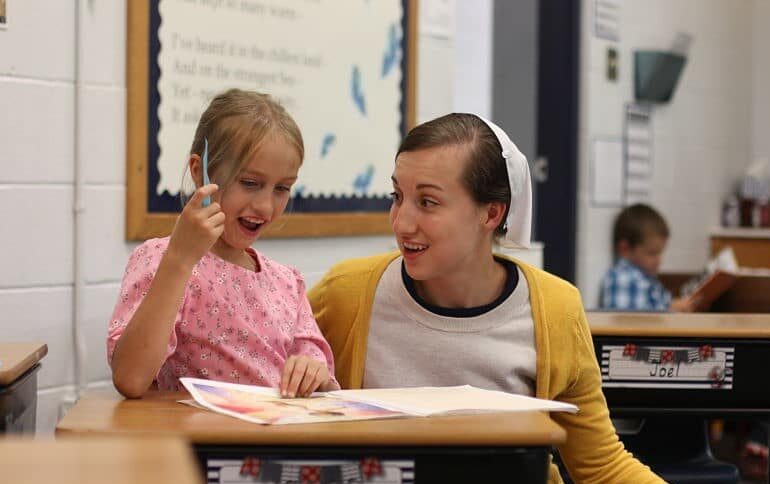
I was a very green first-year teacher when I stumbled upon a helpful assumption about human nature. It seemed to me that neither the students nor the teacher could do our best work when we felt lost in the shuffle.
I had three grades with sixteen students total, and I had to hustle daily to reach around to the various academic needs. In fact, I was snowed under. There were a few students who struggled just to make passing grades and I began to see a pattern where a difficult math lesson segued into a troublesome English class as well. Lunch break and recess barely pulled us back up for another go in the afternoon. I needed to separate this crowd into individuals, or we were all going to tank.
I noticed that a child who feels like a failure in one area of school starts to project her failures onto other areas of life. What we need around here, I thought, is some ego boosting to interrupt this cycle. I started praying for creative ways to compliment my students. Of course, I didn’t want to encourage pompous behavior, but that didn’t seem to be an issue with discouraged middle schoolers.
When I was in school, we always called out how many were wrong after checking and the teacher gave us our grade publicly. It had never been an issue for me as an A student, but now as a teacher myself, I saw how demoralizing this could be. I started grading privately after we checked anything in class, so that their struggles were not a daily humiliation, nor could the aces puff up with pride. I wrote short post-it notes saying, “I saw how hard you were trying on this lesson… thanks for your hard work!” All the students got these private notes occasionally, but the ones whose hands were hanging down got them a little oftener.
A wise older teacher gave me some advice: “When complimenting children, you need to remember that they are astute fake detectors. They know if you are just gushing and telling a child that they have nice blue eyes is pointless, because they had nothing to do with that. It is better to notice character traits. If you notice that the boys have been letting the girls go out the door first at recess when every one of them wants to roar outside—that is a victory worthy of comment!”
Bearing this in mind, the second approach in my confidence boosting campaign was to start verbalizing compliments to the class. I said things like, “I have noticed someone who always waits until last for the water fountain after recess. Does anybody know who that is?” When everybody acknowledged the dyslexic student who was undeniably the most courteous in the classroom, he flushed with pleasure and thanked us. He was very good at being polite.
“I like how you sing with all your heart,” I said to the one who had been stuck in long division for weeks. She lit right up and applied herself diligently to the music lessons. Her clear soprano was the backbone of our singing program that year.
“Your mother would be so proud of how tidy you keep your desk,” I said to the one with atrocious spelling. He may have muddled through every exception to the English rules, but he was consistently neat, especially after he knew that I noticed.
I actually made a list of my students so I wouldn’t forget anybody, then checked off each one as I had a chance to comment something positive to them. This included everyone—those who were doing well and those who were at a disadvantage academically. I was very careful not to nurture any teacher’s pets.
Looking for ways to bless my students verbally made me realize how much I enjoyed them. They were indeed individuals budding with promise for the future. Of course, there was mischief and waywardness too, but in general the air in the classroom became one of courage and willingness to really work even when it was hard going. I knew I was not capable of meeting all the needs, but there was a daily shower of kind notes from the students coming to my desk in response to the atmosphere I was fostering in the classroom. My morale rose too; I thought that maybe I was a good teacher after all!
The helpful assumption that I stumbled onto was this: there is a basic human need to be seen as unique and liked for who you are. We just want to be noticed, to be a little special in the crowd, and when that happens, we can do more than we realized!
Seven Things I Wish I Had Known Before I Walked into the Classroom
After several years of teaching, I compiled a list of basic classroom management survival tips. They have served me well, helping me to have order and respect in the classroom, and helping me avoid many troublesome problems that could have arisen.
- Respect your students. I like to answer them with, “Yes, sir,” or “Yes, ma’am.” That may be out of your personal comfort zone, but you get the idea. If we respect our students, they do notice and will have more respect for us.
- Meet and greet them at the door. Welcome your students into your room with a smile. This is a great time to collect homework if it is due, as well.
- It is very helpful to only let one student go to the bathroom at a time if they really need to go during class time or during a study hall. (They should have plenty of breaks and time between classes when it’s okay to go to the bathroom, but during class is not an ideal time to go and should be discouraged.)
If they go one at a time, it is easier for you as a teacher to keep track of who is gone and going to the bathroom won’t turn into a social time where two or more students are out of the classroom together. It also makes students go more quickly as someone else may be waiting for them to get back so that he can go (as in a study hall, for example.)
- Only allow one student out of the classroom at a time, or to get up and get a tissue, etc. Again, it limits distractions and gives that student a little extra accountability as they know that someone else may be waiting for their turn.
- Do not allow any noise or distraction while you are teaching. Don’t ever keep teaching while the students are talking or distracting you or other students. Just stop talking, look at them, expect them to stop talking or doing whatever it is that they are doing, and then return to teaching. I also like to glance and smile at them a few times right after this to hold them accountable and so that they will know that I am keeping an eye on them.
- Use your Eagle Eye when necessary. That’s an eyes wide-open stern look that says: “That is not allowed in my classroom.” I say that out loud too— firmly, but nicely. Add a smile after you say it. That’s a great sentence. It may be helpful to memorize it.
Using that sentence with the eagle eye was your warning. If the behavior gets repeated, you need to be firm and take the next step of action, whatever it is. This should be in accordance with your school procedures or have been approved by your school board or administration. It’s hard to do it, but it will pay huge dividends in the long run.
- Give students a cover sheet any time they are taking tests. Also walk around their desks, down the aisles, and glance at the floor. I’ve heard of students laying review sheets or papers with the answers on them on the floor by their desks. It’s also good to say something like, “Check around your desks. No looking around during the test. Avoid every appearance of evil. I’m keeping you accountable because I care.”
This basic list helps me, and I hope it's a useful tool for you as well!
Setting the Tone: Clarity, Consistency, Composure
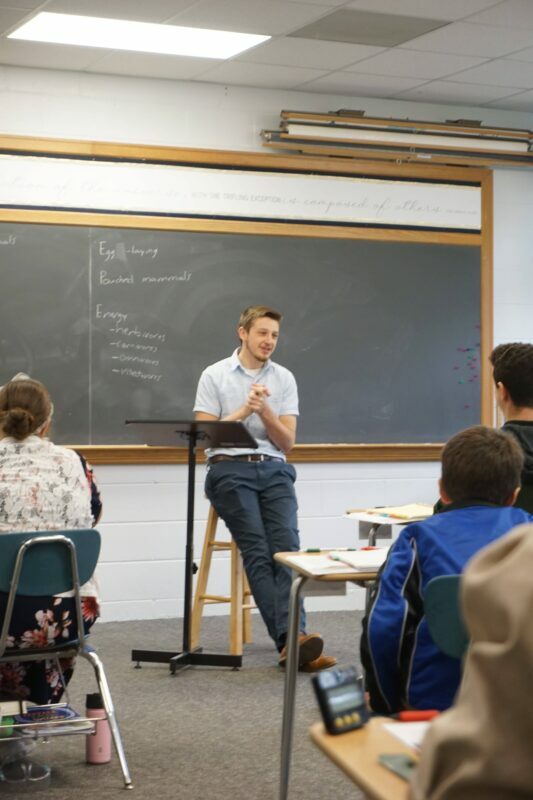
Over the years I’ve read various classroom management books. Many of them had excellent tips. I’ve also noticed that some ideas seem to contradict each other. Many of the ideas and methods outlined by various proponents are not silver bullets by themselves. They are only as good as the teacher who implements them. What one teacher finds works for them may not fit with another teacher’s personality or preferences.
However, there are three areas that teachers who have good classroom management have in common. These are the three C’s of classroom management: clarity, consistency, and composure.
Clarity
Every classroom needs rules and routines for life in classroom. The best managed classrooms often have few rules but the rules are general enough that most any infraction will fit under one of them. A few common rules are
- Listen and follow directions.
- Speak only with permission.
- Keep your hands, feet, and other objects to yourself.
- Respect property and people around you.
Make rules that support the reason students are in your classroom: they are there to learn. If there is disorder and distraction students cannot learn. Your goal in creating rules is to create an environment where learning is the reason for doing school.
Rules will also need consequences. Consequences should be cumulative. The first offense may mean a warning. The next offense merits abc, and the third offense xyz, with each consequence level being stiffer. (The consequence sequence will start over at various intervals depending on the age of the student. It may be daily for younger students or weekly or quarterly for older students.)
The first key to making the rules work is to clarify what the rules are and what they mean. Students who don’t know what the rules are and what they mean will push until they discover the meaning. A vague sense of meaning lends itself to tension and disorder.
- Be clear in your own mind what the rules mean. Know what you want your classroom to be. Think about the types of behavior you don’t want to see and decide which rule they fit under. Example: passing notes could fit under the third or fourth rule above. Passing a note to a classmate is not keeping other objects to yourself. Neither is it respecting your classmate’s right to undisturbed studying. The first step to clarity with your students is to have a clear picture in your own mind.
- Post your rules (and consequences if you wish) where they are easily seen.
- Explain to students what your rules mean. Be clear on what types of behavior you expect to see.
- Model the expected behavior. Demonstrate what listening means. Show students how to ask permission to talk.
- Make your consequences clear.
Consistency
Being consistent is a big deal. You are consistent when you treat all students the same way every day. You do not levy harder consequences on the child that gets on your nerves. You are not grouchy and nit-picky one day and then overlook offenses the next. A consistent teacher sends the message that they are dependable, and students can trust them.
Maintaining consistency can be difficult. Teachers can be as moody and fickle as anyone else. Here are some steps you can take to help you remain consistent.
- Have a Godly love for all your students. If a child seems less lovely, pray to have a loving heart toward them.
- Think through your rules and routines. Know which misbehaviors fit with each rule. You waver when you don’t have a clear idea of which rule a student broke when they stuck their foot in the aisle.
- Sometimes when you get things where you want to see them and the students are doing well at following the rules, you can forget to maintain your consistency. When you see that happening, tell the students you’ve been lax but that you are starting over in your attempt to be consistent.
Composure
The attitude you show when you communicate with your students is important. Be pleasant. Smile. Be matter-of-fact. Let the students know that you are creating an environment in which they can learn. You are doing if for their benefit. (Even if it is because you don’t do well with distractions it is still to their benefit. If you can’t teach, it is harming the students, not you.)
When you introduce your rules do so with a smile.
Scolding and nagging don’t produce the long-term effects needed for learning. A stern, no nonsense attitude will provide an element of sport for some students. They make it a game to evade the teacher’s rules and not get caught. Students can also realize that a teacher’s angry response is the teacher’s problem and easily push aside their own responsibilities.
Your aim is for the student to take responsibility for their own actions. If your expectations are clear and the student understands them, often the fewer words you say (with a smile) the better. For a student to take responsibility for their actions they need time to think about what they did. If your words to them are pleasant and matter of fact, they cannot spend much time internally arguing against what you say.
If your attitude is pleasant towards a student, you are communicating you still love them even though you are meting out consequences.
Conclusion
By working to be clear and consistent and communicating to your students in a pleasant and non-threatening manner your rules will provide a space where all your students can learn and thrive. And you as the teacher, with God’s help, will find your days less stressful.
Read parts one and two of this series:
Setting the Tone: Routines for the ClassroomSetting the Tone: Classroom Walls
Music Gold: Vocal Training for Children in Every Grade
Hello.
My name is Jeff Swanson, and I am the music teacher at Shalom Mennonite School, which is a K-8 school. And I teach all the music classes there, and I teach there for half a day. And around lunchtime I go to Terry Hill Mennonite High School, which is across the driveway. It is a separate school, and I teach 9th through 12th grade music there. And I teach all the music classes at Terry Hill as well.
Beginning Class
I like to start the day, especially if they're not used to it, with reminding them that a good singer always has their tongue up against their bottom teeth. And that gives you one whole set of overtones in your sound. And maybe overtones isn't the best word, but resonance. And it's so easy, and it's visual. I just show them like this and they can do it, and that is actually not exaggerated. If you'll watch good singers, it's always there.
I remind them that their posture—they should have their corners of their mouth in really at all times. And then again, that's very visual for all grades, and it makes a lot more sense than just saying “open your mouth when you sing.”
And the chin alignment is very important. And so I teach them to make an L and then put it here. It's very hard to overcome the L, so we don't want students to sing like that, and obviously we don't want them to sing notes like this, even though it might make it feel like they can sing lower.
And I ask all my students, and this includes Church youth choir members to sing with their hands by their sides. It looks neater and singingwise, pedagogically, if your hands are next to your sides, you're not going to collapse your rib cage, which we don't have enough time to talk about that specific of things in singing, but it takes care of that. And so I ask them all the way K-12 in youth choir and others to hold their hands by their side. And those few alignment things are really gold for a singer, and they're so attainable for children.
And I've also realized that if you're a long term teacher, which I hope you are, that if you start these things really young, it's just not painful to do them when you're older.
Pitch Matching
Something that I think is important to start days with their rehearsals is pitch matching, and all I do is I will sing in falsetto like this, even in the high school, and that way that the men can match the exact same pitches, the ladies. And so sometimes we'll go in octaves, and so obviously with the children, they all need to be on that.
And I will usually base it around C is Do and then just pick different pitches and have them match them. And the children and the youth can match pitches so well in tune.
And I think a lot of times we think "I want the students to hit the right note," and that's not totally true. I tell the students that I don't want them to hit the dart board with the dart. I want them to hit the Bull's eye. And I think when we make that expectation, I think it makes a lot of sense. So I want it right here, not somewhere out here. And that's going to make them a lot more accurate with just hitting the note anyways.
Hearing Incorrect Pitches
And I also talk to them about plane engines. Plane engines usually are the exact same engine on both sides. And you can hear when you're in a plane, they're out of tune. And instead of going [sound] they go, [sound]. And so that's the physics. The sound waves are not matching up with each other. And so I will sing a note like [sound] and have a student sing with me and I will bend the pitch so that it goes [sounds]. And third graders can immediately hear it. And we say, "Well, that's not what we want. We want to have just one sound and not have that harsh clashing." And so that's one of my favorite things to do with all grades. With the elementary students and my freshman class sight singing theory class.
Solfege Hand Signs
One of the first things I like to do with them is sing the major scale using the solfege hand signs and have them sing in unison, usually in half notes, very slow. And I think this is gold that they have this in their head. I think since many of our students don't play instruments, that the hand signs give some physical something to grasp hold of so that they can understand what the notes are. And that's what instrumentalists have over singers is that they can press a button and always know that that button is the right pitch. That's what these hand signs can be to students who don't play. And for many of us, it's not an option to play the instruments anyways. And so it's very important. And I think it's tactile and that's wonderful for the younger students.
Based Around C
So I like to do it slowly once in unison. And for high schoolers, we'll do in octaves. Let the ladies sing in their octaves. I always start on a C. I think we should base everything around a C. In Europe that's the immovable Do anyways. And so I'd like to get it so that they can actually hear that C, and they know that's coming somewhere in class. And so that if they don't have perfect pitch, which most of us don't, they can always find a C and get their their bearings off of that and know what a C is.
Takadimi
For the younger students, for first through 8th grade, I like to teach them to read rhythms with the Takadimi system. Ideally, I think they will all learn to do it with counting, and we'll introduce the counting in the 7th and 8th grade. In the 9th grade, I think Takadimi is wonderful because I think it takes less brain power than trying to understand subdivisions. And I think that we should always have things on a level they can understand.
So for first through 6th grade, I teach them to write rhythms and sing and recognize rhythms from whole notes, from half notes, quarter notes, 8th notes, and 16th notes with no syncopations and no ties. And we also teach whole rests, half rests and quarter rests. And when we sing sustained notes like whole notes or half notes, if we're in four—so 1, 2, 3, 4, is the beat—this is how we sing a whole note "Ta a a a." A lot of times people teach whole notes is 1, 2, 3, 4, but that's too similar, I think, to quarter notes, because that's the way we count it. And I learned that when I was observing as a teacher, and I thought that was just gold.
I love the way that does, so half notes, if you're thinking 1, 2, 3, 4. 1- 3-, 1- 3-. We're also very negligent as singers to hold beats out enough—to hold out long notes enough. And so if you can think that there's a little accent on the beats, it works wonders for timing. And they all laugh because they're going [prolonged] “one.” They laugh when you teach it to them. And after that, it's wonderful. It really teaches them to keep time, which we really need to do as singers.
Pronouncing Vowels
One thing I love to do is vowel unification. And so we usually start—in the high school as well—but in the elementary school with "oo." And we'll sing "to you." It's words that they can remember. I encourage them to pucker their lips like they would kiss a baby. Like that. And that brings the sound out of their throat and out of their mouth. We want the sound away from their face. So we would sing, [singing] "To you." And the lips are so visual, and it cleans up the sound.
And I show them that if I spread, which many people do, what it sounds like, which is not ideal [singing] "to you." And then I'll have them go back to [singing] "to you." That makes a lot of sense to a lot of them, and that's an easy one to incorporate for children.
The second favorite one I have is “say” and “pray,” which would also be “praise” and “lays.” We don't want to use American diphthongs. And so instead of singing "say," we want them to sing, sɛ. It sounds kind of silly when you say it, and it sounds wonderful when you sing it. And so instead of pray, which is an important word to us, we would sing prɛ, and so we would sing, [singing] "Sɛ. Prɛ." Make sure their tongues down like that, and that their corners are in—prɛ—and say R a little bit open, but not too much. So just encourage that their corners are in, which is part of their alignment. And that's a wonderful one to incorporate.
And then we'll look for songs where we have the A sound or the “praise” sound. And so we would sing that a couple of times in half steps. In both schools, I usually do our warmups. Even though we're allowed to use instruments, we do them acapella. So [singing] "Sɛ. Prɛ." And then I'll give them another note, half step down. [singing] "Sɛ. Prɛ."
And if you're able (ladies would be fine) but men teachers, if you're able in the falsetto, I think it's very good for the children to hear that, especially first, second, third, and fourth graders. So, [singing] "Sɛ. Prɛ." And the students will laugh when they hear a man do that the first time because they're not used to it. And after a while it just seems like culture to them, and they can do that.
My last one that I like to work on with the younger grades is the ah sound. And again, corners in. And so we use "God" and "bread," and so young children can articulate Ds at the end of words just like older students should. So in addition to having the ah sound, we also have the D.
So we sing, [singing] "God and bread." and "God and bread" are actually all ah sounds. And so we'll go through a series of those. And if they could unify those, if we can unify those, our coral sound will just revolutionize.
We're not talking Es. We don't do that. That can be difficult. And O is another good one. But I stick with those three. If we can get past those, it's wonderful. And I would work on the O sound in the high school as well.
I've studied voice for about six years, and I've realized that first graders and second graders and third graders really can meet up to expectations that we have for them much more than we realize.

Dyslexia: An Explanation for Kids
Edward
Edward is a normal boy in fifth grade. He likes being with his friends, playing soccer, and building elaborate Lego structures. But there's one way that Edward doesn't feel normal. Edward struggles with reading. Ever since his class learned to read in grade one, Edward has been the slowest reader in the class. He doesn't quite understand how everyone else does it so easily. Why is it so much harder for him? Edward decides he must be stupid. Why else would something that's so easy for everyone else be so difficult for him?
Feeling Like Edward
Have you ever felt like Edward does? Maybe you've always found reading difficult, no matter how hard you try. Maybe you struggle to understand what you read because you're working so hard to sound out the word. Maybe you hate to read in front of other people because it's hard for you. Maybe you started to think that you're stupid. Do you know what? You're not alone! Reading struggles are actually very common. One in five people have a reading difficulty known as Dyslexia. That means that, if your school has 100 people, there are 20 people who struggle with reading.
The severity of Dyslexia varies from person to person. This means that one person with Dyslexia might struggle more than another person. It's kind of like how lots of people have glasses, but not everyone's glasses are the same strength. Different people need stronger or weaker glasses, depending on how bad their vision is.
About Dyslexia
You might be wondering, what does this Dyslexia thing even mean. Am I sick with some disease? What did I do to get it? Let's take a look at what's going on in the brains of people who have Dyslexia, and you'll get answers to those questions. First, let's think about everything that has to happen. In order for us to read, there's actually a lot going on in our brain. We need to understand the way speech sounds make up words, focus our attention on the page, connect sounds to letters, blend letter sounds together, understand what we read, and store the new information in our memory. Wow! What a workout. Kids who have Dyslexia struggle with the beginning steps, so it makes all the rest of the steps even harder. It's no surprise then that trying to read and dealing with Dyslexia makes the kids' brain tired really fast. Dyslexia means that this person's brain has trouble processing letters and sounds. It's not that you have a seeing problem or a hearing problem. The sights and sounds of the letters come into your brain through your ears and eyes perfectly fine. The problem is what your brain does with them. This isn't because you did anything wrong or because you're dumb. Not at all.
Dyslexia is what we call genetic, which means that it's just the way your brain is made. Just like some people have Brown eyes and some people have blue eyes, or some people grow taller and some people stay short, it's not because of anything they've done. It's just the way their bodies are made because of their DNA. You might have learned about that in science. So of course, since we all have different DNA, everyone's brain is different.
Looking at the Brain
Researchers can watch people's brains in a fancy machine called an fMRI. This helps them to figure out how our complex brains work. They have looked at lots of people's brains while they're reading, and they can see certain parts of the brain light up with activity. As they compared the brains of people who could read easily and people who struggled with reading, they noticed an interesting pattern. This is an image of the brain of someone who reads easily. Notice that three main areas of the brain are activated. Now, look at this picture of a brain with Dyslexia. Notice how they're using completely different areas of their brains. Because of the way their brains are wired, they naturally use different areas of the brain when they read. Unfortunately, their brains aren't choosing the easiest way, and that makes it really hard for them to read.
The Power of Practice
So does that mean that they're just stuck with being that way? Well, people used to think that, but they were absolutely wrong. Think about it this way: different people are born with different athletic abilities. Some people can hit a baseball really easily and hit home runs all the time. Other people struggle to learn how to hit the ball, and they may strike out a lot. But the person who struggles with baseball can practice. If they spend hours practicing, they'll get better and better at hitting a baseball. They might even get to the point where they can hit a home run sometimes. It will take more hard work for them than it does for the person who can naturally hit a baseball really well, but if they practice, they can get better. It's the same way with reading. Someone who struggles with reading can practice, and they'll get better at it. It will take time, and it'll take hard work. But it is possible for their brain to learn how to use the right areas to read.
Here's something really cool. You may have heard of programs like All About Reading or Barton. These programs help people with Dyslexia to retrain their brains how to read. Here's the picture I showed you before of a brain with Dyslexia. Remember how it's using the wrong areas to try to read? Well, after a year of working in a program like Barton, here's a picture of the same brain. Wow! Look how much it has changed. And here's what's really exciting. Here is a picture of a brain without Dyslexia. Notice that hard work and using the Barton system has helped the brain with Dyslexia to start to use the proper areas for reading. This will make reading easier and easier. Just like the person who wants to get better at baseball, you will need to be willing to work hard. It might take a long time before you start to see changes. Our brains are amazing, but they also need time to learn new things well.
The important thing is for you to keep working hard on your reading program with your tutor. It's also important that you read in your spare time, even if it still feels like hard work sometimes. And the most important thing is that you never give up.
Benefits of Dyslexia
There's one more, really awesome thing that I wanted to tell you about. People with Dyslexia have a really cool brain. Because of the way brains with Dyslexia are wired, they tend to be more creative, better at problem solving, and more intuitive than most people's brains are. They also might be extra strong in art, sports, or music, and be really good at building stuff. Researchers have found that people with Dyslexia tend to be able to solve problems or puzzles that most people think are impossible.
Lots of entrepreneurs, people who start their own businesses, have Dyslexia, and they do really well because they're so creative and good at solving problems. Remember how we said that people with Dyslexia might think they're stupid because reading is hard for them? I hope you've seen that that's not true at all. Actually, a lot of really smart and talented people have Dyslexia, and it's because of the strengths that come with Dyslexia that they're able to do such amazing things.
Here are some people you may have heard of who have Dyslexia.
- Tim Tebow, a pro baseball and football player.
- Pablo Picasso, a very famous artist whose most expensive painting sold for over a hundred million dollars.
- George Washington, the first President of the United States.
- Henry Ford, inventor of the Model T car, and one of the most successful businessmen of his time.
- Thomas Edison, inventor of the light bulb and one of the most famous inventors ever.
- Leonardo DaVinci, an incredibly famous artist and a brilliant engineering scientist.
- Albert Einstein. When he was a boy in school, his teacher said that nothing would become of him because he struggled with several school subjects, especially writing. But of course, we know that he didn't let that hold him back. He's one of the most intelligent men who has ever lived. And you've probably heard many people call him a genius because of the amazing discoveries he made in math and physics.
Conclusion
Here's the deal. Each of us is created differently. Each of us has strengths and weaknesses, but our brains have the ability to grow and change. So when we struggle with something, we can practice and get better at it. Dyslexia is definitely that way. You can train your brain to get better at reading. And more than that, your brain has awesome strengths that people without Dyslexia are usually weaker in. Just remember to keep working and never give up.
Books for Students
If you want to learn more, try reading these books.
Moore-Mallinos, J. (2007). It’s Called Dyslexia. B.E.S Publishing. goodreads.com/book/show/2125588.It_s_Called_Dyslexia
Polacco, P. (2001). Thank You Mr. Falker. Philomel Books. goodreads.com/book/show/216048.Thank_You_Mr_Falker
Robb, D. B. (2004). The Alphabet War: A Story about Dyslexia. Albert Whitman & Company. goodreads.com/book/show/1717761.The_Alphabet_War
Sources
"Dyslexia (for Kids) - Nemours Kidshealth." Edited by Cynthia M. Zettler-Greeley, KidsHealth, The Nemours Foundation, Sept. 2018, kidshealth.org/en/kids/dyslexia.html.
Davis, Ronald. "List of Dyslexic Achievers." Dyslexia the Gift, Davis Dyslexia Association International, 2020, dyslexia.com/about-dyslexia/dyslexic-achievers/all-achievers/.
Lyon, et al. "A Definition of Dyslexia." Annals of Dyslexia, vol. 53, no. 1, 2003, pp. 1-14, jstor.org/stable/23764731
"Pablo Picasso's Five Most Expensive Paintings Ever Sold." The Economic Times, Panache, 17 May 2021, economictimes.indiatimes.com/magazines/panache/100-million-club-pablo-picassos-five-most-expensive-paintings-ever-sold/articleshow/82706723.cms
Schneps, Matthew H. "The Advantages of Dyslexia." Scientific American Mind, vol. 26, no. 1, 2015, pp. 24-25, jstor.org/stable/24946399
Shaywitz, Sally. Overcoming Dyslexia. New York, First Vintage Books, 2005, goodreads.com/book/show/801940.Overcoming_Dyslexia
Setting the Tone: Routines for the Classroom
 Photo by Giorgio Trovato on Unsplash
Before the students enter on the first day you will want to know what routines and procedures you want to see in your classroom. Routines are the things you do everyday and how you do them. Efficient routines work for the teacher and help keep life in the classroom from chaos. Routines will develop on their own but they may not be the routines you want to see. Take the time now to decide on how you want things to be done.
Sit down with a paper and pencil and list every type of routine you think you may need. Start with what the students do when they enter your classroom and go through the day. Then decide how you want each activity to be done and write out how you want it to be accomplished.
Take into consideration the age of the students you are teaching. Younger students generally need more defined routines than older students. However, don’t fall into the trap of thinking that older students need no routines. They will establish their own and it might not be what you expect.
Think about the message you are sending to students. Classroom routines should fit an atmosphere of learning, stability, and focus. A classroom is not a playroom or a living room.
Consider procedures and routines for the following.
- What does a student do upon entering the classroom? Clean out and hang up backpack, put lunchbox away, retrieve necessary books or materials, sharpen pencils? These seem almost trivial but without this being part of the routine, you will waste time when students aren’t ready for class.
- Where are students to sit? Assign seats for class time, lunch time, all-school devotions. Especially for younger students, assigned seating eliminates fussing and hurt feelings.
- Where, when, and how will students pass in completed work?
- How do students come to/prepares for class? With pencils or no pencils, with books or no books?
- What do you expect of students during a class? Quiet attention, not working ahead during class, choral answers to questions, raised hand before answering questions, open discussion?
- How will students label homework?
- What will students do at dismissal time? Line up or dismiss by rows, walk in line in the halls, orquiet during hall time? Lining up works well for younger students. Teacher, you walk at the front of the line because you can turn around easier than you can yell ahead.
- What does a student do when he has completed his assignments? Read a book, work on a project, quietly play a game? The less students are out of their seats when others are still working, the easier it is for the teacher and less the distraction for those who aren’t finished.
- How will a student retrieve needed materials such as reference books or use the school library? Use a hand signal or allow one person on the floor at a time?
- How and where will students eat lunch?
- How will students handle bathroom and water fountain privileges?
- What recess routines do you need? Having a recess signal (such as three hand claps or a whistle) is much better than trying to get student attention with the teacher’s voice during a noisy recess game.
Routines and procedures are not rules. They are mechanical parts of classroom organization that make the day proceed efficiently. However, one of your rules might be to follow classroom procedures and routines.
Procedures are useless unless they become routine. On the first day of school, or when the new students encounter a procedure you will need to communicate what you expect to your students. To teach procedures to your students you will want to explain, model, and practice.
Explain
Tell your students what you expect. Be pleasant. Let them know that these routines will make the school day more pleasurable for them all, and they will increase each child’s ability to learn. Explain the rationale behind the procedure if necessary.
On the first trip down the school hall as a class, let students know what you want them to do, “We will walk quietly in a line on the right side of the hall.” (For beginning first graders, I might put some play into this by having them pretend they are little ducks or tiny mice.) Why might we want to walk quietly? There are other classes studying and we don’t want to disturb them.
Model
Show your students what you expect. This is especially needful for more complicated routines. Walk down the hall in front of the line. Show students on which side of the hall you want them to walk.
Practice
Practice the procedure with the class until everyone understands what you expect. If not everyone follows the routine, start over and try again.
As you walk down the hall, Student A may whisper to Student B. Matter-of-factly, turn the class around and start over. If it happens again, start over again. The key to this is that you stay calm and pleasant as you practice as many times as needed.
And then continue to be consistent. Routines will fall apart if the teacher isn’t consistent. Practice routines again if necessary. If a student continues to flaunt a routine, refer to the rule about following routines and procedures and deal with the behavior accordingly.
Can you change the routine or procedure you wish to see? Yes, if what you’ve planned isn’t doing what you want it to do find a new routine. But make it clear that the routine has changed and let students know what you expect of them.
Make the habits of your classroom work for you. You will find it rewarding and restful!
Read part one of this series: Setting the Tone: Classroom Walls
School Teacher Wanted for a family in Leticia, Colombia
Primary responsibility would be tutoring a 7 year old boy(Marcus)and some physical therapy as well as teaching/coaching some classes for two older children. Ages 10(JoLia) and 12(Brenton). You would be given enough teaching responsibility to fill a normal school day. Outside of that you should have enough time to invest in the local community and gain foreign experience.The time frame is somewhat flexible. We are hoping to start school about the end of August and run for about 9 months.We would like to include flying the teacher back to her family in the middle of the school year for up to 3 weeks.The teacher could fly back to Colombia with us on our return trip about August 24.Housing: We are hoping to rent an apartment that is within 100 yards form our house. There is an elderly lady that lives in a large gated property with this apartment we are looking at for the teacher. We are hoping the location of the schooling could take place outside the home and the distractions there.
Elementary teacher and teachers aid
Shenandoah Christian School is a small school that is needing a teacher for 1st and 2nd grade during 2021-2022 term. We would also be open to having a teachers aid to assist with certain subjects. Housing is available. Contact Brian Good for more information. Thanks for your interest!
Setting the Tone: Classroom Walls
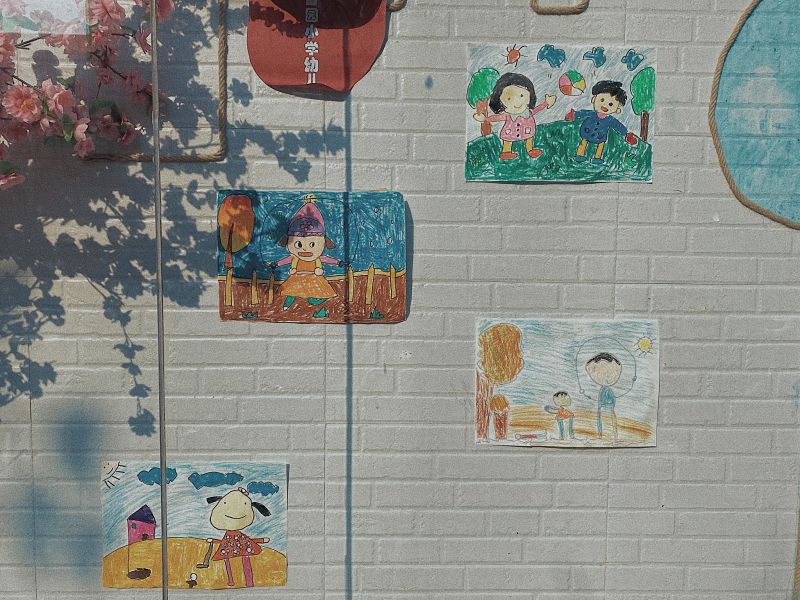 Photo by Cheng Qi Huang on Unsplash
In this mid-summer moment, my classroom looks like a disorganized storage room. Opening the door is a chore, not an invitation of welcome. The walls are either bare or have bits of last year hanging on them. There are boxes of workbooks sitting there for the next term. I was gifted some “might be of use” items that clutter the floor waiting for proper dispersal. The one bright spot is the comments left on the white board from the last day of school—the ones that say, “Thank you for teaching me.” None of this says welcome back to a new term. It does say that it is summer vacation and it will need to change.
Our walls and room organization say a lot about our classroom atmosphere and our attitudes towards academics and our students. There are many subconscious messages that speak into the tone of our year. When you walk into a classroom you already have a sense of what is happening in that room.
- You should be able to tell the approximate grade level of the classroom.
- You should know what kind of material is being taught. Is this a high school math classroom or a first-grade classroom?
- Hints of the teacher’s personality are on display. Are they well-organized, or haphazard? Are they teaching because they love content or love personal interaction with students? Can you guess their favorite subject to teach? Is teaching a main focus of their days or are there other things more important? Are they spontaneous or stuck in a groove? Are they lovers of knowledge? Are they pack rats?
- You should be able to get an idea of the attitude of inhabitants of the classroom. Are they there to learn? Or to have fun? Or just because the state requires that they fill a seat in the room?
Many beginning teachers focus on their classroom décor as they get ready for school. Our walls and bulletin boards are tangible things we can see and do something about. Classroom management and teaching lessons are vague ideas for teachers who don’t know exactly what they are doing or should be doing. Getting the classroom ready by creating themes and displays is not wrong but these should be more than just tasteful decorations. We set the tone for our year with how we arrange our classroom.
- Think about what you want to say. You should create a tone that says, “Learning is interesting. Knowledge is valuable. School is work. We work hard to be successful. Success is satisfying.” Write down what you want your classroom to say about you and what you expect from your students. Use this statement to guide your choices on how you set up your classroom.
- Speak to the level of your students. The cutesy themes of grades one and two don’t belong in high school classrooms.
- Don’t be pressured to go with a theme. I find themes difficult to use. Other teacher friends find themes freeing.
- Make displays work for you. Use your bulletin boards to expand on subject material or to display student work. Your walls should have charts and graphics that aid the student learning. A visual aid is an excellent review tool.
- A list of student names on a markable wall chart or a corner of the blackboard is a handy organizational tool in my first-grade classroom. I use certain markers to show who is the line-leader for the day. I use it to keep track of rule infractions. A smile after a name might mean recognition for neat work.
- Keep the visual clutter to a minimum. If it is just an accessory, maybe it isn’t needed. We can’t handle too much sensory overload. Clutter makes the important blend with the unnecessary.
- Our walls can be distractions as evidenced in the anecdote from a co-teacher’s classroom. During devotions one morning a student raised their hand. “Did you know that Ronald Reagan is the only President up there (meaning the chart at the front of the room) whose teeth are showing?” And the teacher is thinking, “No, I didn’t; but I now know you weren’t paying attention to my devotions.” Keep visuals to only what’s necessary.
- Use your walls to display student work, especially special projects they have done. Adding the science project posters or the haiku poetry they have produced to the walls adds value to the assignment.
- For the best learning results, the classroom in general should not have a worn-out, cluttered feel. The shelves should be dusted, the floor should be swept, and old light-bulbs replaced. The piles of papers on the teacher’s desk should be reduced.
Set the tone for your school year with attractive and purposeful décor. A student’s first perception of you is made by how you lay out your classroom. Decide what message you want to give and use your classroom walls to radiate that message. Keep things simple and pointed toward your message.

After-school Workflow: Maintaining a Sustainable Workload
The bell rings and the students rush off home and the teacher is left with his desk and sometimes a literal mountain of work.
Be Your Own Boss
One thing that's different about teaching than some other jobs is that the teacher is his own boss. When the school ends. I believe as a teacher, it's important to be your own boss and not let that role go to the wayside. Pick up that role and boss yourself around like you would an employee.
Resist Distraction and Prioritize Work
As I think of another task to do, instead of being distracted from my current task, I can quickly jot that down onto a sticky note. The habit of first things first is vitally important after school. Decide the most important thing on your list. Prepping for tomorrow should probably be at the top of that list. Grading a mountain of projects is probably not as pressing as getting ready for tomorrow. Decide what is most important and give it your best time.
Work in Reverse
I like to work in reverse from the next day, so I figure out what is my last subject of the day and work on that subject. Complete any homework or quiz grading I need to do, study the lesson for the next day, and stick that on a stack. And then I pick up the next book in reverse and work through any grading I need to do. Stick that book on a stack until the end. I'm through prepping my classes for the next day. I have a nice stack in the correct order and the following day I can pick up my first textbook and teach that class and move swiftly through the classes without a lot of wondering where my textbooks are, where I might have placed them. This is also useful if you have a substitute. If you're sick some morning and you need a substitute, all your curriculum is in the right order and they can just pick up the book they need and go from there.
Sustainability
Keeping the after school workflow manageable and sustainable keeps you from being overwhelmed with all the things that you have to do after school. Allowing yourself some time, some personal time in the evenings, keeps you from feeling overwhelmed and allows you to teach for more than just one or two years and teach for the long haul.