All Content

The Freedom to Educate
Nearly five decades downstream of Wisconsin v. Yoder, it can be easy to forget that the freedom to offer our children a distinctly Christian education is not a given. This article from the Pacific School Leadership Institute reviews the history of Christian schooling in the United States and considers the future of educational freedom in light of recent developments and challenges.

English or Bilingual Teachers needed
Lighthouse Christian Church is a small mission church in the mountains of Siguatepeque, Comayagua, Honduras. Our church is affiliated with the Beachy Amish Mennonite churches. We are looking for 2 teachers for our bilingual school from February - November 2022. A bilingual person is preferred, but most of the older students speak English, so we would also consider an English speaking teacher. Contact David Yoder at LHM.Honduras@gmail.com
Teacher needed for 2022/23 school year
We are a newer, small school looking for a main teacher for 10 students grades 3 - 11. We have support staff in place to help with high school math and science. We are very flexible in providing other support staff as needed. Competitive wages. Free lodging. Experience preferred but not necessary. Paid mileage for interviews.

Introduction to Diverse Learners: ADHD
ADHD is the abbreviation for Attention Deficit Hyperactivity Disorder. The term ADHD flies around in our society a lot today, and it can raise a lot of questions about, "what does this mean and what are its implications?" And so I would like to try to bring a little bit of clarity or understanding to what ADHD is.
Defining ADHD
ADHD is not this feeling of restlessness that you get after you've sat for too long or the reason why you feel like you need to fidget with your pencil or why you forget what you were intending to get when you went to the grocery store.
ADHD is a persistent problem, a persistent pattern of inattention, and hyperactivity or impulsivity that interferes with functioning or development.
That word "persistent" is really important. It's ongoing. It's continual, and it's actually interfering with how I'm able to go about my day and complete the tasks that are asked of me or the responsibilities that I have.
Also, it's important to understand that ADHD, the symptoms, have to be inconsistent with typical development. So of course, a five year old is going to have a shorter attention span than someone in middle school or high school or an adult. We have to compare the symptoms with what is typical.
We had talked previously about the categories of disabilities, and ADHD falls under the category of “other health impairments.” ADHD is a health impairment. It's not a learning disability. Of course, ADHD can significantly impact learning, but it is first, a health difference or... Brain scans show that there's actually physical differences in an individual with ADHD and without. And I would understand it to be like a chemical imbalance in the brain. There is actually different levels of chemicals. There's actually a physical difference in an individual that has ADHD.
Types of ADHD
There are three main types of ADHD.
First, is the inattentive type, and this is when this individual is distractable and it can be with external things or internal. So the individual might be distracted by watching his peers around him or seeing something outside the window or too much on the walls. This person could also be distracted by internal things like they're hungry or they're tired or they're thinking about something outside of the classroom or outside of what they're doing at the moment. When someone struggles with the inattentive type of ADHD, it also impairs their working memory, so they struggle to remember what tasks they're supposed to be completing. And like keeping a list of things in their mind that they need to be doing is really hard to keep track of that and to remember bits of information or tasks that they need to do.
The second type of ADHD is the hyperactivity/impulsivity type. This is actually the least common that someone would just have this category of ADHD. And this is what we think of often with restlessness, hyperactivity. They keep moving around they cannot stop talking. It's constantly flowing. Rapid decision making. Being very impulsive. That would be characteristics of this type of ADHD.
And most commonly, there's the combined type. And that's when an individual struggles with the inattentive part and also the hyperactive component of ADHD.
Symptoms of ADHD
When we talk about ADHD, there are all these different symptoms, and it can be challenging to know, is this child, is this symptom, is this being inattentive? Is it just part of typical childhood development, or is it actually something more substantial that we need to be looking at? What's the way forward? Or how do we help this child?
And maybe looking toward more of a diagnosis.
Checklist
And linked to this video, we're going to have a checklist that could give you an idea of whether or not these symptoms are great enough or persistent enough to merit a diagnosis. This tool is just to give you an idea, maybe a frame of reference considering the symptoms of both categories. And it's important to realize that six or more symptoms in each category have to be present for a diagnosis to be made
And again, this would require going to talk to a family doctor. It's not something that you can just diagnose on your own.
Causes of ADHD
So when an individual has ADHD, what's going on? Why are they experiencing these challenging behaviors? What's actually happening?
And this is how I understand it. So a child in their brain, they're asked to do something. They complete a task and the synapses in their brain fire, but they don't have enough energy to reach the destination or for the task to actually be carried through.
So a child is set out to get his book out of his locker. And on the way, he's fully intending to go do that. That's his plan. He understands that's what he's asked to do. And on the way, he sees a pencil on the floor and he kicks a pencil. And then he remembers that we're having soccer today. And he runs back into the classroom and he says, "I want to have [this certain position] in soccer today!" And all of a sudden he never completed the task. He got sidetracked. He had good intentions, but he wasn't able to complete them or carry them out.
And that tends to be what happens when a child has ADHD. It can even happen with completing their math paper or their assignments. They know they're supposed to, they know what they have to get done, but they can easily get off track. ADHD is also known as something called a self-regulatory disorder, which is basically where a child has difficulty regulating their environment, the things around them, difficulty regulating their attention, their activity, their impulses, organization, even regulating their emotions.
And so all of those pieces, we somehow need to help them to manage their environment, manage themselves in a way that they can be successful and that this ADHD isn't disrupting who they are and how they're able to function in life.
Roots of ADHD
So where does ADHD come from?
Approximately 75% of ADHD is hereditary. So when a parent is struggling with ADHD, it's very likely that their child will as well.
Also, 25% of ADHD can be environmental as well, and especially when there's stressful, prenatal or postnatal experiences that a child has or traumatic experiences. Those can play into when a child has ADHD and is struggling with these types of things.
Addressing ADHD
So when a child is struggling with ADHD, what should we do about it? How can we help them?
First I think we need to take a look in our classrooms and find ways to train them to manage this difficulty ways in our classrooms to accommodate and help these children. So the first thing I believe that children need is the structured environment, and the more organized and predictable things can be in the classroom, the better that they will be able to kind of fit into those expectations.
I often have put a checklist on students' desks that give a list of the tasks they need to complete, like as part of the morning routine and then also later in the day. This checklist says about the same thing every day. Things like
- get two sharpened pencils
- use the restroom
- tear out this math paper
- write down your homework.
But when a child has ADHD... or I've worked with children with ADHD that consistently look at that checklist every day. The other students probably haven it memorized. They can know what's on there without looking. But I've seen students regularly check in and cross each thing off as they complete them to help them keep on track. It's like a reminder. And I know the parents that use this as well. Like for morning routines, bedtime routines to help as a child, to kind of train themselves to complete a list of tasks.
Also, I think as teachers, it's really helpful and healthy if we can incorporate opportunities for purposeful movement in the classroom. So this child might struggle to sit in his chair and needs to get up and get moving. And so if we can incorporate that in the rhythms of our instruction, that can be really helpful.
An example might be moving and sitting on the carpet for a certain class. Or often every day when we have review like, we have review before math and we do our math facts. We have review before science class with the vocabulary that we're learning. We always stand for those reviews. It's always like I think almost every class in the day we're standing for a piece of it that just gives them an opportunity to get out of their seat, move around.
Every afternoon between spelling and penmanship class, we get up and do two minutes of exercises, and this is fun for everyone. It's good for everyone, but it's especially a way to help the students that need that opportunity for movement.
Also, I think that we would do well to experiment with the environment a little bit. So when a child is struggling with movement and moving around, one child would do better up front, very close to the teacher so that the teacher can be there and check in with them. But another child with ADHD might be better off in the back row where there's not as much of a distraction to the people behind them. And so experiment with that.
Also, maybe moving them away from the window or moving them to a place where they are called in to focus—to attention more effectively.
Also, children, we can teach them about self-regulation and about building awareness of themselves and an awareness of, well, "how do I fit in this space, and how should I be moving around, and what should or should not I be doing?"
And sometimes when a child has ADHD, they can act like they're run by a motor. Like they're just going and there's no stopping. One thing that I found helpful is to look at something like this and talk about with them. "How is your engine running?" We might have, in the blue zone. It's too slow when we're tired and we're not engaged. Just right. And then too fast. And even talking to students about at recess the level of speed that your engine is going. It's okay that it's higher then. But when we're in the classroom, when it's time for math class, our engine should be at a certain level. And so there's ways to teach children how to build awareness of who they are and how they should be acting.
Devices
I have some other objects here that could be helpful for a child.
This is called a kick fix, and we have some students that put this around the legs of their chair as just something that they can be using their feet on it to help with some of the restlessness.
Also, this is what I would call a wobble cushion, or we've called it a super sitter before. But it's amazing when a child needs to sit on this, or sometimes you have to ask them if they want to. And if some children don't like this at all. But if they enjoy this kind of thing, if they sit on this, it takes more energy to sit, and it actually kind of requires you to sit with a good posture to do this. And it could be a way to help give them an opportunity to release that energy that they have.
Also, sometimes when children struggle with ADHD, they have a difficulty understanding time and the passing of time and kind of knowing where they are and how much time they have to complete something. And this is a handy little timer. It's called a time timer. And actually what happens is with this. When you have let's say you have 15 minutes and you need to complete your assignment by then this goes down on its own. And if we were sick for 15 minutes, you would watch it. It would gradually go down. And then at the zero, it would Ding, and so my students love this because it helps them to kind of pace themselves a little bit. And the child that's struggling with staying on track, this could be a great motivator to say, "I'm going to be finished by the time this gets down to zero!"
And so those are some tips, some a few pointers things to try out.
Of course, it will really depend on the child and whatever a combination you use, it needs to be helping the problem, not making it worse. And so you have to feel that out and think about what would be the most helpful for this child, and kind of experiment and try some things out.
Medication
So after you try all of these accommodations you're trying to work with and train the child to manage their difficulty. Sometimes that training and accommodation isn't enough. And one of the options that we can consider is medication. And what is this? Let's try to get an understanding a little bit of how ADHD medication works.
So typically a child would take a stimulant if you remember back to when we talked about the synapses firing and not reaching the destination, what a stimulant or like Ritalin would do would give the synapses in the brain a boost so that they are able to reach the destination. And then what will happen is it will enable the child to complete the task that he's asked to do. You could think of it maybe as a super booster to get through the fritzing, going off and connecting with other synapses.
A stimulant can be given daily and wear off like a stimulant does not have long term impact. It will just give them that extra boost that helps those chemicals be balanced in their brain. And then by the evening it will be worn off. And so I have seen adults—or I've talked to adults—who have taken a stimulant when they know that they have to be able to get their tasks completed today, get a lot completed. But then on the day where it doesn't matter so much, well, then it's okay and they don't take it. So it's a tool when ADHD becomes so overwhelming that we don't know what to do next.
And it can help someone get back on track so that maybe they can start working on those organization things and themselves. And so then hopefully eventually they wouldn't need to take it anymore. But it is a resource. It's something that could be really helpful to get an individual on track.
There's a question of addiction, and I've asked this question to a professional and she said that addiction will only happen if someone's taking a stimulant when they don't really have ADHD. And so if they're taking this stimulant and they have ADHD, it's actually meeting a physiological problem. So it's actually meeting this chemical imbalance, and it actually will help them to just function more normally and be able to be more successful.
It can be difficult to find the proper dosage, and that will take a lot of work between the family doctor and parents and teachers and kind of communicating and giving feedback. And, "how is it going?" And a good family doctor will start the child on the smallest dosage possible and then gradually build as needed to figure out what's the proper dosage for this child. And of course, as a child grows, the dosage is going to need to increase simply because they're becoming an adult— their body—they're growing. When a child's dosage needs to increase, that doesn't mean they're getting addicted to it. It means that they're just growing. There is also the concern of side effects, and that's possible. Some children experience side effects. Some do not. And so again, it's just something you're going to have to try out and see what's going to work for us.
And so medication is something that I think we should consider as a valid option, something to consider and to try. When we've tried all the other things. We've tried the accommodations. We've tried training and working with them, and those are not helping us. Then I think it's worth looking into.
As teachers, it can be really easy for us: "Parents, we just want you to try this because..." We see, especially in our classrooms when the environment is more structured. Some of these things show up even more than they do in the home setting, just because you're expected to sit and to complete your work and do all of these tasks. And so I do think, though, that it's really important for us as teachers to talk graciously with parents, to give them grace and realize, like, there's a lot that they have to think through here, and they have to wrestle with the complexities of this and their own emotions and all of this. Like, "do we want to give our child medication like this?" And so I think that's really important that as teachers, we offer time, we offer grace.
Yes, I do think we need to be honest and to be specific about the struggles that we're finding in the classroom. I think also, we do well to communicate that we're recommending this out of care for the child. Like we really care for them and we want them to be successful. We see their frustration. And if we communicate that care too, I think that parents may be able to hear us better, but it also takes time to build up credibility. It takes time to... You're going to need to have relationship and really work closely. At the end of the day, it is the parent's decision, what they're going to do and for the sake of their child.
And so as teachers, we can advocate. We can be a spokesperson. But we do need to respect parents as well, and the decisions that they make for their children.
So I wish I could ask you what questions you have about this. What more could we explain? But in the description box, there's going to be a list of resources with some books. And Russell Barkley is an incredible author, someone that I would trust as someone to look at, to read what he's written about, working with ADHD in school and at home. And he has some books that could be worth looking at.
So I hope that you feel a little better informed about what ADHD is and how you could help someone in your life that is struggling with this disability.

Spruce Up Your Room: Create an Improved Learning Environment
 Photo by Jeffrey Hamilton on Unsplash
While every classroom should reflect the personality of the teacher who teaches in it, there are a few additions that will add some creativity and interest to any classroom. These will give your students something different to observe and will help to create a more enticing learning environment. Here are five of my favorites.
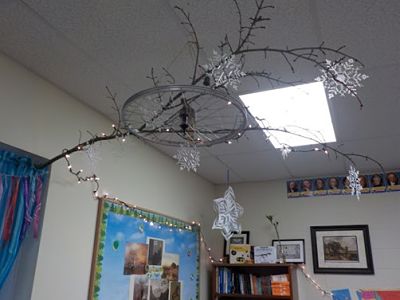
- Something on the ceilingThis can be a kite, a Chinese lantern, fabric, or painted ceiling tiles. Students will spend about 1,000 hours in your classroom. Give them something thought-provoking and interesting to view above their heads. If it is nearer to the front of the room, more students will be able to see it.
- Good books
While most of us have a bookshelf (or two or three) in our classrooms, many of those books often never leave the shelf. Each week, pull a few good storybooks and a few books on whatever topics you are studying in science or history off the shelf. (Right now we are studying mammals and early American history, so I’ve got several books on mammals and indiginous peoples inside my reading teepee.)
About once a week (I usually do this on Monday), take a minute or two in the morning to give a brief description of each book you’ve selected as you hold them up one by one, and then set them where all the students can see them at the front of your classroom, even if they are leaning against the wall on the floor. Spread them out so they can all see the titles. You’ll be surprised how many of those books will get read at various times throughout the day.
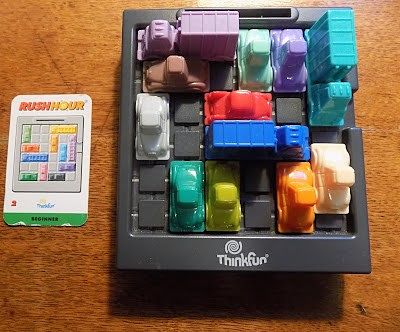
- Brain games
Learning should be creative and interesting at times.While some students will be happy with just reading, most are more hands-on learners. Find some puzzles, educational games, art supplies, and anything else you can find that is edifying and will cause your students to think, using their hands and brains in other ways. Have a special place in your room where these can be accessed by students. These should only be available to them when all their work is finished. I’ve even required students to have good grades before they could leave their desks and do something like this if I felt that they were rushing through their work to get to do another learning activity. (i.e., All work must be completed with a grade of 93 or higher before students can leave their seats to get a learning activity. Then I’d write the names of the students who did meet the requirement on the board.)
- An alternative place to sit
As teachers, we get to walk around our rooms wherever and whenever we want while we teach. Do you remember what it was like to be a student and to go from class to class and just sit? I really enjoyed school, and I love to learn, but I remember just sitting and sitting and sitting at the same desk and it did get old. Besides moving students' seats around fairly often (which does help), it is nice to have another place in your classroom for students to move to and to enjoy a different place and view of the classroom (when all their work is done and their grades are good, of course.) This can be as simple as two folding chairs in a corner, but it will make a difference. Crates, stools, or benches can also be used. I know of two teachers who had clawfoot bathtubs with pillows inside them in their classrooms.
It is also helpful to go through the class alphabetically and let one student a day sit in the “special seat.” The students can keep track of whose turn it is so that you don’t have to. They will all look forward to their day, and it will create not only a more attractive, but also a more upbeat atmosphere in your room that you and your students will enjoy.
- Something on the walls other than posters
Thrift stores abound with inexpensive framed art. Hang your students' artwork, tapestries, or anything on the wall, but have something there besides a poster or two so that your students will have something interesting to view and to spark their interests.
A few simple additions like these can transform the atmosphere in your classroom for the better. Instead of blank white walls and ceilings, your students can enjoy interesting things to view and experience, and new places in which to do these. I have found that rather than detract from learning in my classroom, these additions actually enhanced it. Plus, they and you will greatly enjoy the change of pace.

Teaching About Persecution
 Photo by Hanna Morris on Unsplash
Persecution and martyrs may not seem like topics for children, but at the time of this writing, it is a theme my Sunday School students (1st-3rd grade) are studying. We had lessons about Stephen, and how Paul changed from a persecutor to one of the persecuted. We learned how the gospel actually spread because of persecution. This topic comes very close to home because we know some of the people who were kidnapped in Haiti.
When I first read of this subject in the Sunday School teacher’s guide, I thought it might be a difficult topic for younger children. In fact, a school parent expressed concern to me a few years ago about a book that told of persecution. However, I feel this is a timely area of study and one that can be taught to younger children. The teaching must be done with care, helping them to realize that this is real, how we can support those who are persecuted, and how we can be strong.
In Sunday School, we read and discussed scripture, learned the meanings of “persecute” and “martyr” and then I asked how we can help those who are persecuted. One of the children responded that we can pray for them. Yes, we can, and we did! I suggested making cards for the family of the hostages we know in Haiti. The children were pleased to do that and made thoughtful cards.
How do I present persecution to my first graders at school? This year we are memorizing the Sermon on the Mount as a school. We can relate this topic to our Bible memory (Matthew 5:10-11, 38-41, 43-44). We learn of this in a social studies unit in Living History. We can discuss loving enemies and relate that in practical ways. We can have discussions of “turning the other cheek,” “heaping coals of fire,” and “praying for those who persecute or revile us.”
The topic of persecution and martyrs should not be done in great detail for young children, but we may find stories to share (from books such as Coals of Fire by Elizabeth Hershberger Bauman, or On Fire for Christ by Dave and Neta Jackson). We can share personal examples and teach Bible stories. We could make cards to encourage the families of those in persecution. Some organizations get cards to persecuted people so we could create and send cards to them. We can certainly pray for the persecuted church. The children could make prayer reminders such as prayer cards, book markers, or booklets. We can look on a map and find countries where persecution is taking place. We might collect an offering for an organization that supports the persecuted church.
Here is an idea for giving: The teacher makes a list of jobs to do in the classroom or school and then pays the children for doing those jobs. That money is collected and given for the persecuted church. The children see the value of giving as they do these jobs and immediately deposit the money in the collection for the persecuted church.
I was struck by a lesson at a teacher’s convention a few years ago. The speaker, John Stonestreet, said we need to be teaching our students Jesus’ way now, and Christ-like responses now, so they are ready when they suffer persecution. He stated that their persecution may not be physical, but it may be economical. There may be no jobs, no money, and no resources for the believers. Jesus said we will suffer persecution.
As we go over the topic of martyrdom and persecution, we can find hope: Jesus is with us! He gives strength. We have the hope of heaven. God is sovereign.
Resources:
Here are two sites that have ideas/helps for teaching the topic of persecution to children.
3 Ways to Teach Your Kids to Pray for the Persecuted ChurchWhat Would You Do If Christmas Cards Were Illegal?
Girl Ear Pokers and Hair Pinchers: Where to Seat Those Students
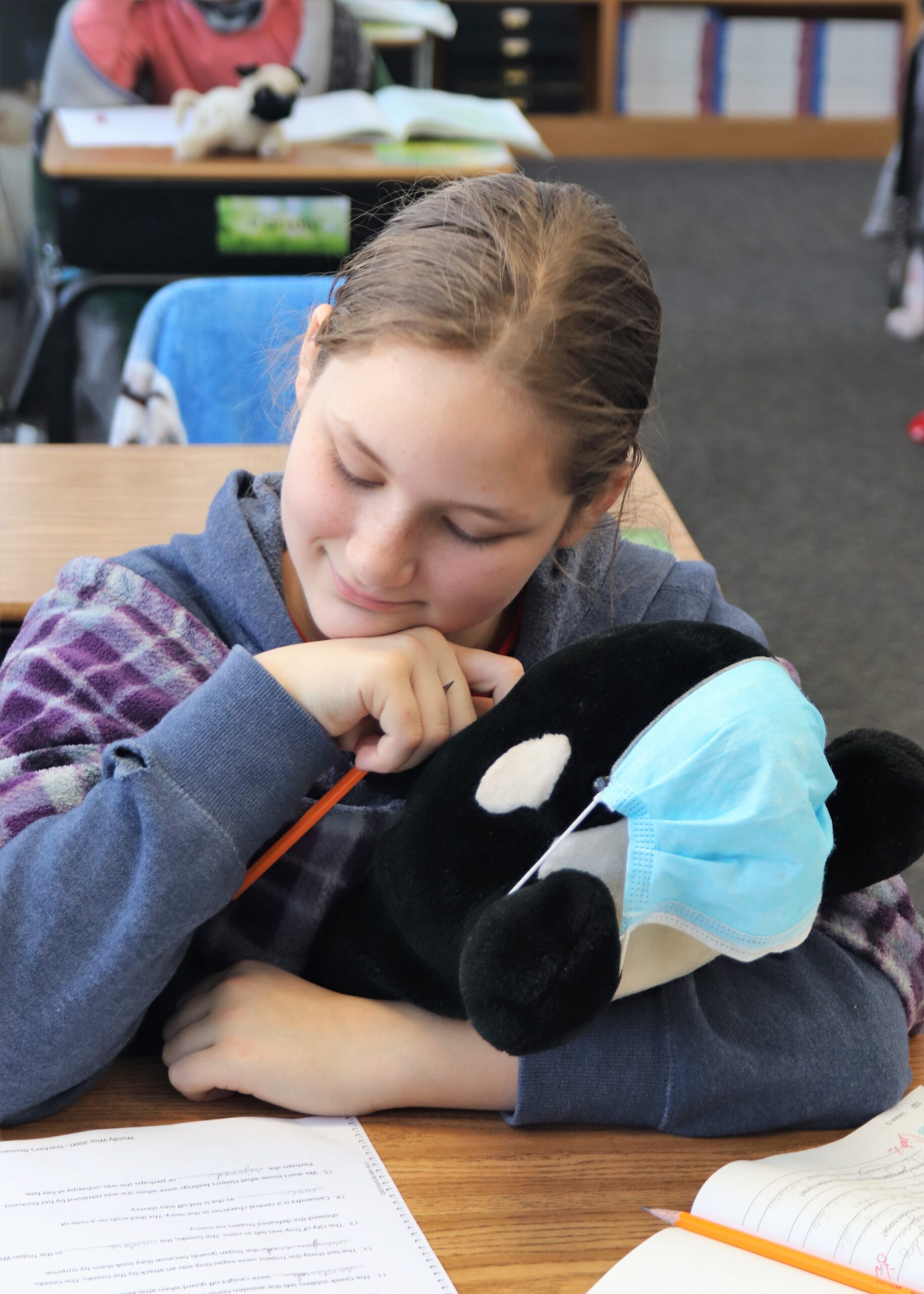
Having a good seating arrangement can be a tremendous help in the classroom. If the right students are in the right spots, everything will run more smoothly, and the teacher can avoid many distractions and potential disruptions. It does take a while to get to know your students and to know who should be where. After that though, don’t be afraid to move their desks around as often as needed. They usually like having a new viewpoint in the classroom anyway, and if they complain, don’t let them. One of my new favorite verses is “There will be no complaining in our streets . . .” (Psalm 144:14), and my students have memorized it because they’ve heard me say it, with a big smile on my face, many times already this year.
Moving my students’ desks around is often a weekly event for me. I love the variety, and the students do too. But sometimes, you find a really good seating arrangement and it just needs to stay for a while. Like that one year with one of my classes…
It was one of those classes, and they were junior high students. They were honestly one of the most enjoyable groups of students I’ve ever had. They were energetic, creative, full of life, and a bit mischievous. They did some rather interesting things. Once they decided that two origami swans (that we made while studying ancient China) could be used as “snot kleenex picker uppers.” They made “girl ear pokers” out of four pieces of paper taped end-on-end and rolled up tightly. Binder clips became “girl hair pinchers.” When the class one year beneath them won a pizza party for collecting the most money during a trash-a-thon, they stole one of their pizzas during lunch and hid it in a closet. (They didn’t eat it and it was returned after a lecture from me.) The girls and guys had so many disputes that we had to separate them and address the issues at least twice. I can’t even count how many times I walked into the hallway by the bathrooms and gagged on excessive amounts of Axe. And it wasn’t all being sprayed on their bodies. I believe they called it “Axe wars.”
Now, most of this did not happen during classes. I’d never allow that. It happened at lunch, while getting ready for physical education classes, or in between classes, but you can imagine that we teachers had our hands full. A great seating chart was a life saver for me that year. I tried several arrangements, but I finally found THE SOLUTION, and it greatly helped.
THE SOLUTION
Front of room
| C2 | D1 | D1 | C2 |
| D2 | D2 | ||
| D2 | D2 | ||
| CC | D1 | D1 | CC |
- Put the four most “creative” (i.e. mischievous) students in the four corners. (C2 and CC spots)
- Put the class clowns in the back corners. Part of their acting out is to get attention. They cannot do this as easily if they are in the back where most of their classmates cannot see them. (CC spots)
- Put the less mischievous and more conscientious of the “creative” students in the front two corners. (C2 spots)
- Directly next to the four C spots, place your most diligent students. (D1 spots)
- If you have a few more diligent students, place them in the remaining spots surrounding the “creative” students. (D2 spots)
- Carefully place the rest of the students in the remaining spots.
There are a few other seating arrangement ideas, too. Here is something else I’ve done with students who were decently behaved but were close friends and liked to communicate too often. The hardest way to make eye contact with a friend is if he is in the same row a few seats back. It is difficult to completely turn around 180 degrees and then talk over a few peoples’ heads.
Remember that you, as the teacher, have the right to move any student anywhere at any time. If I notice two students even making eye contact too much in class, or distracting each other in any way, I’ll write their names on a sticky note (which may make them wonder if they are getting their participation grade docked) so I won’t forget, and then move them to new spots on the seating chart right after class. The next time they walk into the room, I’ll announce “Susie and Sally, please switch seats.” I’ve even done that during a class.
I cannot teach if I am distracted, or if any of my students aren’t paying attention. So if they don’t stop after a warning, I’ll just ask the student who appears to be initiating the distraction to please switch seats with another student. I don’t make a big deal of it as I don’t want to embarrass the student, but I won’t let the behavior continue while I’m teaching. I will usually apologize to the student who didn’t do anything but has to move by saying something like, “Susie, I’m sorry you have to gather up all your stuff and move. You didn’t do anything wrong. Thanks for having a good attitude and being willing to move.”
Finding the right seating arrangement is challenging, but well worth the effort. Don’t be afraid to keep moving students around until you find something that works. The students will enjoy the variety, and you will avoid many potential distractions so that you can focus on the important stuff, like being a great teacher!

When A Child Rubs You Wrong
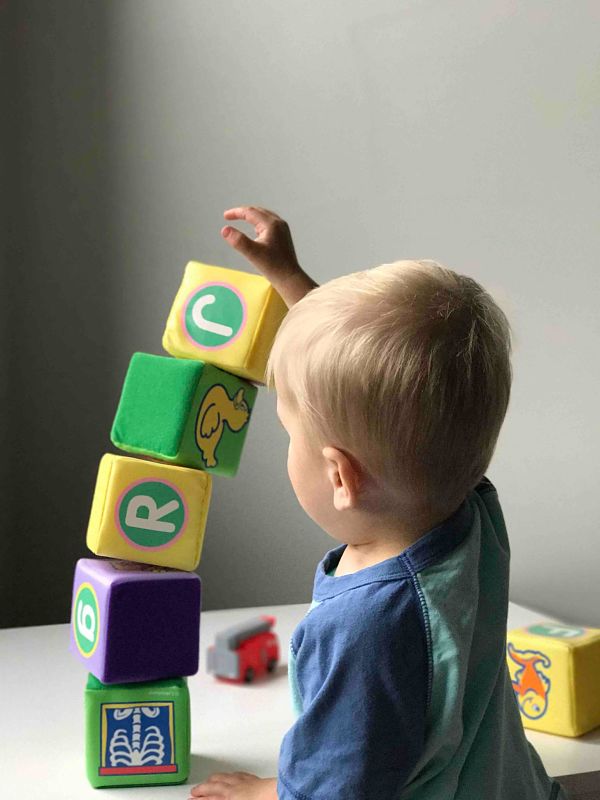 Photo by Ryan Fields on UnsplashIn my last blog post I talked about the art of noticing your students. This goes two ways: sometimes we notice commendable things, and sometimes we notice annoying things. We know that we are supposed to love all students equally, to show no favoritism, to hope all things for all the children in our care, but this is not always simple or intuitive. There is no denying the reality that some children are more winsome than others, their personalities meshing pleasantly with others. Sometimes academically gifted students are relationally challenged. It has little to do with lessons and a lot to do with our intrinsic humanity.
I think back to my own elementary school years, to the angry child in my class who declared that nobody liked her. All the sensitive little girls tried to be her friends, but she was so prickly that it was quite uncomfortable to get close to her. A few more hard-boiled students openly admitted that they actually didn’t like her. Our teacher was wise and pulled us into a circle to talk about the issue. Since the accusations were public, we had to openly discuss what we appreciated in each other. She advised us that having exclusive best friends was not a good idea. We were instructed to pick a different person to play with every recess on the swings. She mixed up our seating arrangements frequently and watched over our interactions carefully. In looking back, I can see that this altercation between pious students and a brash and hurting child could not have been easy to arbitrate. Neither does it go without saying that the good little ones were easier for the teacher to like than the struggling student was.
Everybody has their own set of buttons that get pushed by children. I had a teacher with zero tolerance for sloppiness, encompassing everything from grammar rules to clean fingernails. Another teacher was very picky about being good sports on the playground and would shorten recess for all of us if there were conflicts among any of us. In my own experience, the students who rubbed me wrong were usually the ones who challenged my authority, knowledge, or skills as a teacher. They were the ones who I suspected could probably run all over me and run my classroom into the bargain.
What should we do with the student who gets under our skin? How do we handle the one who seems to know everything before we teach it, and is happy to remind us when we make a mistake, mispronounce a word, or get mixed up with assignments? What should we do with the small braggers, or the ones who don’t like to play when the games aren’t their favorite, or the ones who are always trying to be first? How do we navigate personality clashes?
I have a list of checks for myself when my spirit gets ruffled by a student, which these days are my own children. Not surprisingly, the spotlight comes back onto me. I am the adult, the one who is supposed to be ruling her spirit, the one with life experience and hopefully the maturity to handle the conflict in a redemptive way.
- Identify the buttons being pushed and watch out for them.
- Ask myself if it really matters or if I am overreacting.
- Admit my own mistakes and apologize if I exacerbated the situation.
- Recognize that this child is in my care for a reason and accept the responsibility.
- Ask for wisdom before addressing a child’s character flaws.
- Be kind and give them positive reinforcement as well as correction.
- Show the child a way forward.
I tend to feel resentful and angry when a child indicates that I am wrong. “How dare you tell me what I forgot that I said?” Watching out for these situations helps me to take that trait by the horns and respond more humbly. “You are right. I forgot that I said you can read any book you choose for your report. Thanks for reminding me.” It is quite possible to diffuse a situation before it becomes a big deal when I am aware of the things that escalate into conflicts.
When I take a minute to evaluate whether I am picking a worthy battle, it stops me from responding with snark or hurtful words. This is the place where the Spirit of God either assures me that I am on the right track or convicts me that I am wrong. When I am wrong, it is the time to humble myself and admit it. If the student has crossed lines into disrespect, I am more prepared to give them correction once I have repented of my own sinful tendencies.
It is not a mistake that we have children in our care who are needy. There is nothing quite like facing how unfinished I still am when I am at loggerheads with a little person. This is a major part of God’s plan to grow us up into better teachers and caregivers. Accepting the adult responsibilities of relating to those who are still becoming who they are is pivotal in our sanctification. It’s quite simple and sometimes it’s pretty hard, especially when they expose our deficiencies.
Children are usually sensitive to their own character flaws, and many times they already know when they are not likeable. When a child feels discouraged by their need to change a behavior, we can give them hope. “This is your strength, and it is your weakness. You can think on your feet and respond quickly when you need to, but when you speak impulsively, you say things that you will regret later and that’s when others get hurt. Let’s think of some tools that will help you overcome this habit. What do you think you can do the next time you feel mad about someone on your team striking out?” It can be tremendously helpful to give a child a way to cope and do better.
Our perfect example in relationships is Jesus, who loved children. Apparently, they swarmed around Him to the point where His disciples got tired of it. I am sure these children weren’t all polished specimens of cleanliness and good manners, but Jesus has scathing words for those who cause them to stumble, “It would be better to have a millstone hung around our neck and to be drowned in the depths of the sea.” Matthew 18:6. Not only that, but He tells us to become like little children. The idea!
Maybe the next time someone rubs us wrong, we can change the narrative from “How can I bear this disagreeable person any longer?” to “What am I supposed to be learning from this child?”

[Duplicated] Helping Students Think as Anabaptists Through Teaching Bible and Guidance in Informal Activities
In this talk given at Faith Builders Teacher's Week 2010, Pete Peters shares stories from his thirty years of teaching relating his burden for students to grow up as true disciples of Christ. The ways we think of competition vs teamwork can support the Anabaptist focus on brotherhood. The importance we give Bible study and spiritual discussion in the classroom can have a lasting impact.