
All Content
Creation vs. Evolution, Part 1
This talk is for teachers who could benefit from reinforcement in how to defend the Christian faith against evolutionary teachings. Wes considers some of the fallacies evolutionists use to support their philosophy, some of the evidences against evolution, and some evidences supporting the God of the Bible. The breakout is taught from the perspective of a grades 9-12 math and science teacher who frequently discusses this topic with unbelievers as part of the phone team for Christian Aid Ministrie
Creation vs. Evolution, Part 2
This talk is for teachers who could benefit from reinforcement in how to defend the Christian faith against evolutionary teachings. Wes considers some of the fallacies evolutionists use to support their philosophy, some of the evidences against evolution, and some evidences supporting the God of the Bible. The breakout is taught from the perspective of a grades 9-12 math and science teacher who frequently discusses this topic with unbelievers as part of the phone team for Christian Aid Ministrie

Daycare Teacher

Expectations and Order

Photo by Oliver Hale on Unsplash
Rules, laws, guidelines, expectations, or even commandments—as stated by the first grader who was handing out papers to a reluctant classmate, “You have to take it! It’s by her commandment.”
As we think and plan for a new school year, we consider these rules, guidelines, and expectations. What rules should we have for our classes? What are the expectations for our classes? What guidelines do we need?
We may not like rules and guidelines, but we need them to keep our classrooms functioning smoothly and to provide security for the students and structure for the class. When I introduce my classroom rules, we discuss why we need rules, and I may present a devotional about rules. (What if we didn’t have rules? What if there was no rule about stealing?)
Here are some guidelines for classroom rules. Keep the rules simple, and don’t have too many. Post the rules so you can refer to them throughout the year. At the beginning of the year, discuss the rules so the students know what they are and what they mean. Give examples and scenarios to help in explaining the rules. Explain any words that may be unfamiliar. (I once told a child to behave and then realized that this English language learner did not know what “behave” meant!)
I have six short rules:
- Be nice.
- Listen.
- Obey the teacher.
- Be respectful.
- Raise your hand before you talk.
- Clean up.
One year I had the students write the rules that they weren’t following. I referred to a rule–as in, “Look at number 4. ‘Be respectful.’ This includes your classmates and your teacher. Are you being respectful when you talk back to me?” This should usually be discussed with just the child, not in front of the whole class, although if the infraction occurred in front of the whole class, I may say, “Rule #4, Be respectful” in front of the class.
Expectations may be more specific than rules. I don’t post my expectations, but I do go over them at the beginning of the year, and several times throughout the first weeks of school. We may need to reteach expectations after a vacation, or periodically as a refresher. I have expectations for classroom behavior, doing classwork, for homework, for interactions, reading logs, cleaning up, and turning in assignments. When I am teaching, I expect the students to be listening. I tell them, “When I am talking, you are not.”
Expectations help the classroom to flow smoothly and students to work together. Teachers should determine their expectations before school starts, so the expectations can be clearly presented to the students. Decide how you will handle such areas as bathroom visits, getting drinks, water bottles, or sharpening pencils. Some of this may sound picky but it helps the classroom operate smoothly and the students to work together.
Some examples: I teach my students sign language for “bathroom” and “drink.” They may sign their requests to me while I’m teaching and I will sign back “yes” or “no.” This way the lesson is not interrupted and the child can slip out to the bathroom or to get a drink if I signed “yes.” When I’m presenting this area of expectations, I tell the children that they need to ask if it’s during class time, and if I’m teaching, they should try to wait. Water bottles are expected to be kept on the shelf. This was learned by experience! We had too many spills on desks and books to keep the water bottles on the desks.
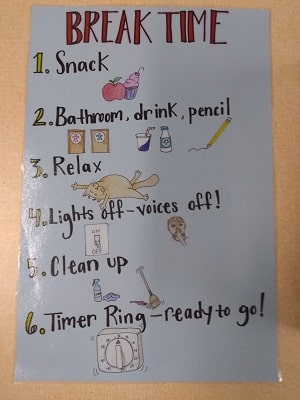
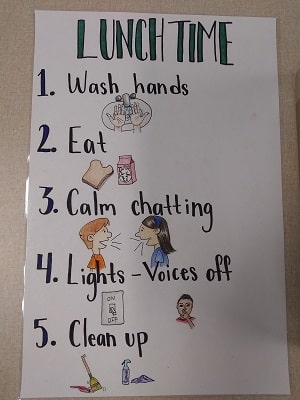
I must communicate my expectations to the children. Modeling may be helpful in teaching the expectations. Think about areas such as, “When you are in line, what do you do? What do you do at lunchtime?” “What happens at recess?” I have some anchor charts that I pull out when I first teach expectations and when we need refreshers. One chart shows expectations for break-time and the other for lunchtime.
When I started teaching a new Sunday school class, I found I needed to tell them my expectations. I was expecting them to listen when I was teaching, and some children would whisper to their neighbors, or call out during the lesson. I realized that I was thinking of my school class where they knew my expectations about listening. A number of the Sunday school students are homeschooled and not familiar with classroom expectations. After I told them that I realized I hadn’t shared my expectations, and explained what I was looking for, they have cooperated very nicely.
Rules, guidelines, and expectations remind me of my student Chad. Chad tested all the boundaries for the first couple of weeks of school. Once he found that the boundaries did not move, he seemed to feel secure and was very cooperative. As teachers, this is the goal of rules and expectations. We don’t invent them for our sake so much as for the students’ sakes and to provide a productive, enjoyable learning environment for all of us.

Charge
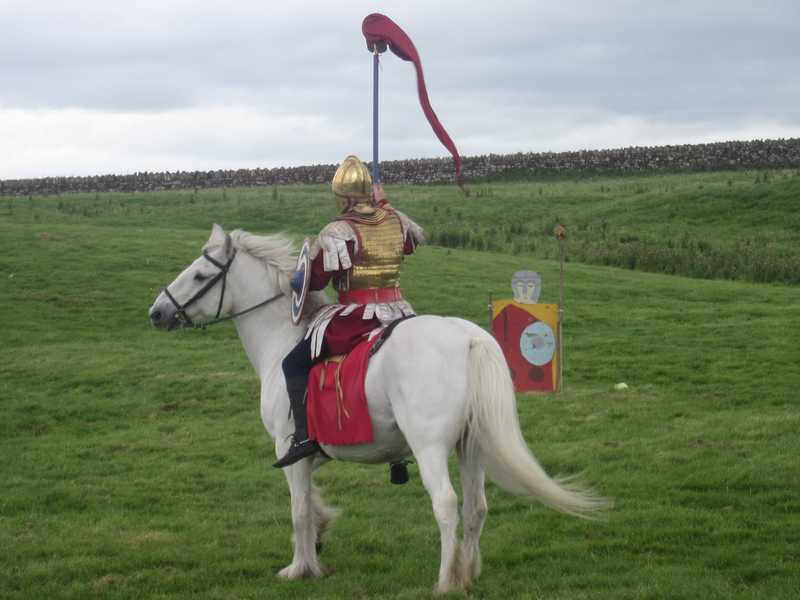 Photo by Cas Holmes on UnsplashCrimea – Battle of BalaclavaLord Raglan, British cavalry commander, sat high on a hill and watched the Russian soldiers withdrawing naval guns from the captured redoubts. His plan was that the action of the light brigade, the British light cavalry force, could force the Russians to abandon the cumbersome guns as they fled the swift cavalry riders. He sent out the order: “Lord Raglan wishes the cavalry to advance rapidly to the front, follow the enemy, and try to prevent the enemy carrying away the guns. Troop horse artillery may accompany. French cavalry is on your left. Immediate.”Down in the valley, General George Bingham could not see the Russian movements on the causeway redoubts. He only had the mass of Russian guns at the end of the valley in his line of vision. The courier bringing the order vaguely indicated those were the guns meant by the order.Lord Cardigan was charged with the capture of the Russian guns and led his 670 troopers of the light brigade charging into the battle fray. The resulting battle, bravery, and military disaster are captured in Alfred, Lord Tennyson’s poem, “The Charge of the Light Brigade”.
 September 2022
Christian schools across the land
School teachers stand in the doorways of their empty classrooms, surveying their goals and plans for the year. They have been given a charge, a responsibility, to take their students through the school year. They cannot see around the bend and what the next 180 days will bring. Teachers have been given a charge to be in charge of their classrooms and students. But the charge is not given so that teachers charge recklessly or timidly into the year.
The word “charge” stems from a Middle English word that means in a general sense ‘to load’ or ‘a load’, fitting for a schoolteacher’s responsibility. Charge as a noun can mean the responsibility of taking care or control of someone. A charge can be a person entrusted to the care of someone. Charge as a verb can mean entrusting someone to a responsibility. It can also mean to rush forward in an attack, among various other meanings. Being given the charge of a classroom is a responsibility not to be taken lightly. However, a successful teacher is one who takes the charge seriously and takes charge of their classroom, not charging ahead with their own ideas and self-importance but relying on God’s grace and guidance.
Boundaries
A teacher in charge will set boundaries with confidence and kindness. A teacher in charge knows where they want their boundaries—what they want to happen with the students they have charge of. Maybe the school has some guidelines in place. A teacher in charge will know those boundaries and keep them. Most teachers, however, need to decide on many details of classroom life. A successful teacher knows what they expect, and they make their classroom management plan accordingly. And then the teacher needs to keep the boundary lines where they have been drawn.
Being in charge does not mean being stern, strict, grumpy, or carrying a big stick to enforce the boundaries. It merely means being consistent in enforcement. Yes, merely being consistent. However, consistency can be elusive, especially if the teacher is unsure that they are handling things correctly. Students need to know that a teacher will treat everyone the same, every time.
A teacher in charge communicates their expectations to their students. Just reading over the list of policies and expectations is not enough. Students tend to tune out or forget. Model and practice the expectations. Engage the students. Repeat as necessary (more often for younger students). A teacher should not let it be their problem that the students don’t know the boundaries.
Once the students know what is expected of them, hold them to that standard.
Confidence
A teacher in charge exudes confidence with humility. Students come into the classroom expecting the teacher to be in charge. A teacher who appears confident can lead their students where they want them to go. Students are unsure if they can trust and follow a teacher who does not appear confident. Students want a leader, even if they don’t always think they do.
Appearing confident and actually being confident is not always the same thing. A teacher in charge has been given the charge to be the leader. Even though one feels very unconfident, it is possible to pose confidently. Practice confidence. And most of all, pray for confidence.
A confident teacher is not a steamroller teacher. Confidence should also bring with it the humility to be entreated and to admit being wrong. But a confident teacher is not a wishy-washy teacher. They have grounds to stand on and are not swayed by student wants or demands.
A confident teacher in charge will not need to be the students’ buddy. A confident teacher will let the students respond to the teacher’s requests rather than feeling the need to meet the students’ wants.
Teachers should teach the material confidently. They should know what they are teaching and be enthused about learning. Confident teachers engage the students in learning. They help students be successful.
Pleasant
The teacher who is in charge is pleasant to be around. They treat everyone with kindness—even the child who tries their patience. One can be pleasant and still address wrong done and correct misbehavior. Calmly calling out misdeeds gets the same effect as a raised voice or angry tone. Raised voices and angry tones allow the student to deflect responsibility for their misbehavior. A teacher who can deal with misdemeanors in a matter-of-fact manner puts the responsibility back on the student.
A pleasant teacher is not moody. They are not grumpy. They do not need to be stern. A pleasant teacher in charge will be calm, be kind, and be consistent.
Teachers, you have been given a charge for this school year. With God’s help you can confidently step into your class to meet that charge. He sees the battles and victories of the whole year. His orders are not faulty, though sometimes we misread them. Sometimes teachers may be given short-sighted or vague orders by their superiors who give them the charge. Before you charge recklessly or blithely forward make sure you are working to follow the Ultimate Order Giver. Becoming a confident and kind teacher who can set and enforce boundaries makes you a leader your students will want to follow. At times you may find yourself in the thick of the battle with sabers flashing all around, but with God as your helper you can emerge with victory. Go forward to meet your charge!

Three Summer Reads for Teachers
 Photo by Karolina Grabowska
 The new school year is approaching. For some teachers, its arrival feels sloth-like as their anticipation grows for the happy buzz of students in the hallways, the scratch of chalk on the blackboard, and the stacks of new workbooks on the desks. For other teachers, summer has slipped by a little too quickly, and their summer to-do lists still have a few too many unchecked boxes.
But either way, the new school year is coming. And as teachers, we want to be ready.
Undoubtedly, this school year will stretch us. It will contain joys and struggles that we cannot yet foresee. It will challenge us in ways we can’t even imagine.
One fabulous way to prepare ourselves for the unknown battles and glories before us is to immerse our minds in the wisdom of others and open our hearts to the ways God may want to use their experiences to prepare us. And what better way to do that than by reading a book?
The following are three books about teaching that I have found especially helpful at different points in my teaching career. Perhaps one of them may be just what you need to challenge your mind and prepare your heart for the unique experiences you will face in the coming year.
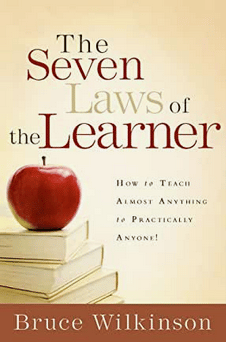 The Seven Laws of the Learner by Bruce Wilkinson
 When you first pick it up, don’t let the size of this book scare you off. Wilkinson’s writing is accessible, easy-to-follow, and compelling. This book is packed with interesting stories from Wilkinson’s own experiences. He challenges teachers to master seven time-tested principles to improve their teaching and widen their impact. These principles, or laws, will give you advice on how to improve your teaching of academics as well as your relationship with your students. The Seven Laws of the Learner will remind you that teaching has an eternal impact on souls and will give you a new vision for how to do that in the coming year.
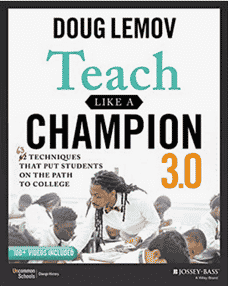 Teach Like a Champion by Doug Lemov
 For those of you who love practical books, Teach Like a Champion is your dream come true. Depending on whether you read the original version, the 2.0 version, or the new 3.0 version; you’ll be introduced to forty-nine, sixty-two, or sixty-three practical teaching techniques. Each technique is explained clearly and in a way that makes it feel possible to implement yourself. It is worth noting that these books are written from a secular perspective, and the stated goal of the techniques is to “put students on the path to college.” This may seem strange because in most Anabaptist schools, creating college-bound students is not the all-encompassing goal of education. However, it is true that the same techniques that prepare students for college are techniques that will hone your teaching to be more effective—and that should be a goal of teachers in any setting. This book encourages teachers to employ habits that will strengthen your teaching and help your students learn better. Adding to the practicality of this book is the included access to video clips of real teachers in real classrooms implementing these techniques in real time. Teach Like a Champion contains advice that will help you to be a stronger communicator, help your classroom to be better managed, and push your students to take responsibility for their own learning.
 Reclaiming the Future of Christian Education by Albert E. Greene
 For everyone who balked slightly at the last book’s description because you prefer reading philosophical ideas over practical advice, this is the book for you. Delving into the intellectual and philosophical foundation of Christian schools, this book aims to transform your thinking. Greene begins by stating that much of Christian education is only marginally different from its secular counterparts. He goes on to argue that Christian schools are missing the mark until believers receive a renewed vision of what Christian education should look like. He overviews the cultural and philosophical history of education, helping the reader to gain a picture of how Christian schools got to where they are today. He then outlines a proper Christian philosophy and how that will impact every part of teaching. Greene paints a truly beautiful picture of the richness and depth of God at work in His world, then draws a clear connection to teaching being the work of reveling in His revelation. Reclaiming the Future of Christian Education has the power to transform not only your teaching but also your whole way of looking at life.
When we open our minds to the wisdom of others through reading, we give God a unique opportunity to prepare us for what He is calling us to in the coming year. Perhaps these books can be a source of His work of preparation in your heart.

Teaching Generation Alpha Students
Generation Alpha students are the children who have been born in the years after 2010. They are growing up surrounded by and often immersed in technology. They are about age twelve and younger, around grades one through six, and technology has often been a part of their lives since birth, unlike those of us who remember what it was like before we had “everything” at our fingertips. Their attitudes and experiences are being shaped by the technology they use, if they are allowed to use it.
Typically, we would expect these children to have shorter attention spans, be fairly intelligent, and have an appetite for entertainment. Images of the children and even toddlers that I see glued to their parents’ phones while riding in a shopping cart at the grocery store come to my mind. These childrens’ brains are developing much differently than all the generations before them, and it’s not necessarily good.
Compare these two children:
Child A and Child B are both eight years old and have recently finished third grade. They grew up in very different homes, however. Child A has had his own tablet from the age of three. He plays games, watches movies, and does all kinds of “educational” activities on it. If he’s not sleeping, he is often using his tablet, even while eating.
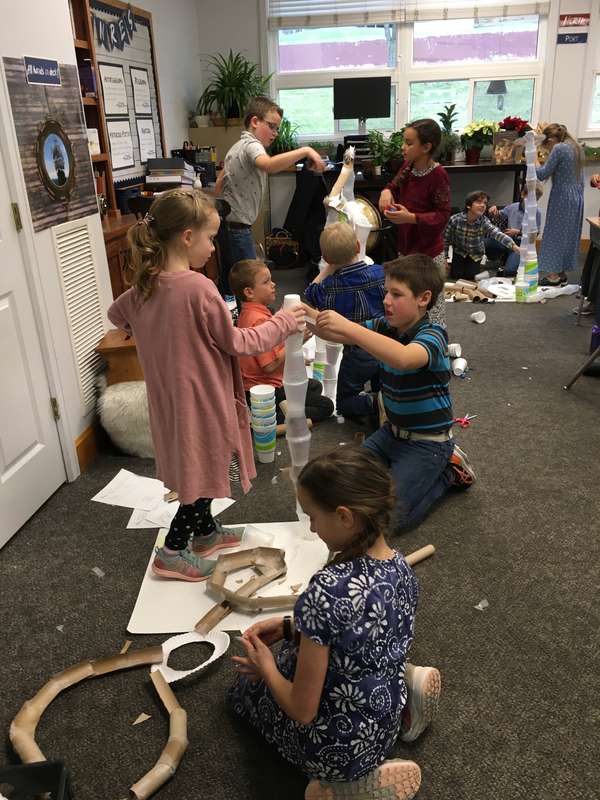
Child B is different. This child, although technically Generation Alpha according to his birth year, was raised in a very different type of environment. His parents use technology, but they are also discerning and seriously limit the amount of time they themselves spend using technology, and the time their child spends on a device, if they let him use one at all. Child B rides his bike and wades in the creek with his siblings. He feeds the farm animals while visiting his grandparents. He goes to museums and concerts with his family. He spends rainy days inside reading, working on a building project out in the garage with his dad, creating an art project, or playing with Legos. It is obvious how well-rounded and different this child is and will be when he grows up, not to mention how differently he will function in the classroom.
As teachers, we would probably rather teach Child B. He will typically pay more attention to us in the classroom, spend more time being careful with his handwriting and schoolwork, and be much more interested in learning the types of things we do in a school setting. He will typically be more eager to learn in a classroom setting because his brain isn’t on a high-speed setting, used to entertainment that requires him to do nothing but look at a screen while he rapidly mentally gobbles up information and pictures.
There is a huge difference in the ways these two children (and all the others in between) will function in a school setting. The ones who have grown up with technology and use it for hours a day are typically less attentive. (Five hours a day is currently the national average.) They have learned that they can be entertained almost constantly and do whatever they desire at rapid-fire speed by using technology.
I grew up in the 60s and remember riding bikes around the neighborhood. We roller skated, played games outside, walked to the nearest store to buy candy, and played board games inside each other’s houses. Just about everything was tactile and hands-on. Today, there is much less of that, and it is drastically affecting our students.
Handwriting is a great example. Consider these two children learning how to print letters. Compare a child who learns how to type and often uses a keypad or touchscreen at an early age to a child who does not regularly use a computer. There is something tactile about using a pencil on paper—or molding clay or painting—using one’s hands to create compared to just touching buttons or a screen. While Child B will have the ability to do both, Child B’s brain developed differently, and he is functioning on a slower but perhaps more deliberate course, carefully forming the letters while Child A’s brain is perhaps thinking, “I could just push a button and get this done much faster.” That makes a great difference in how a child will focus and function in the classroom, not to mention that an appetite for newer, faster, and entertaining content has probably already been well-established in Child A.
Compare hours of screen time to climbing trees, playing on a playground, or digging in the dirt. There is a vast difference. While the parents have the most direct effect on their children and their activities, there is much we teachers can and should do so that both Child A and Child B can flourish in our classrooms.
As teachers, we can do our best to present our lessons well and have high expectations for our students’ grades, penmanship, and attitudes. But what can we do, or undo, regarding their attention spans and past brain development? Many students, even Anabaptist ones, are being raised with lots of technology, and it is affecting their attention spans and thought patterns. It has been proven that the neurons in the brain make well-established pathways quickly, and that just a few hours using technology can change how one processes information.I believe that the most important effect we can have on our students is to present to them and engage them in hands-on, kinesthetic activities in as many different subjects, classes, and ways as we can. In our schools and classrooms, we should seek out creative ways to physically engage students in hands-on activities, and limit those activities that use technology. While classes in music, art, and physical education are obvious places to start, there are ways to do this in our English, math, and science classes as well, especially in the younger grades.Using math manipulatives, having students write in journals, drawing what they are learning, and performing science experiments are all ways to engage students beyond just sitting and reading the textbook or listening to a lecture, although I do believe these methods should be used as well. Students engaging in hands-on types of activities will not only learn and remember content well, but their developing brains will benefit from direct interaction with content, and not just pushing buttons or touching a screen to get a desired effect, or just passively sitting in a class listening to a teacher.
In history classes, students should see pictures of and hear about exciting events which happened throughout history. They should also have opportunities to experience history by participating in activities which people in different places and time periods have made and done.
We can also present interesting books to them. One of my favorite activities as an elementary school child was having the school librarian come into our classroom and present several books, showing us the titles, covers, and giving us just enough information about the book for me to think, I want to read that one! I’ve done this with a huge stack of books for my students when we come to book report season.
If you want to learn more about engaging students in activities rather than technology, there is a movement among the homeschool crowd in which parents are trying to get their children engaged in outside activities for as many hours as they are on technology. The goal is to spend 1,000 hours outside. It would be helpful to us teachers if more parents were aware of the factors which greatly affect a child’s learning inside our classrooms.
As teachers, we need to not only be knowledgeable about the current situation with technology and children, but also be looking for methods in which we can engage each one of our students so that they can learn and function well in the classroom.
Introducing Jesus in an IDP Camp
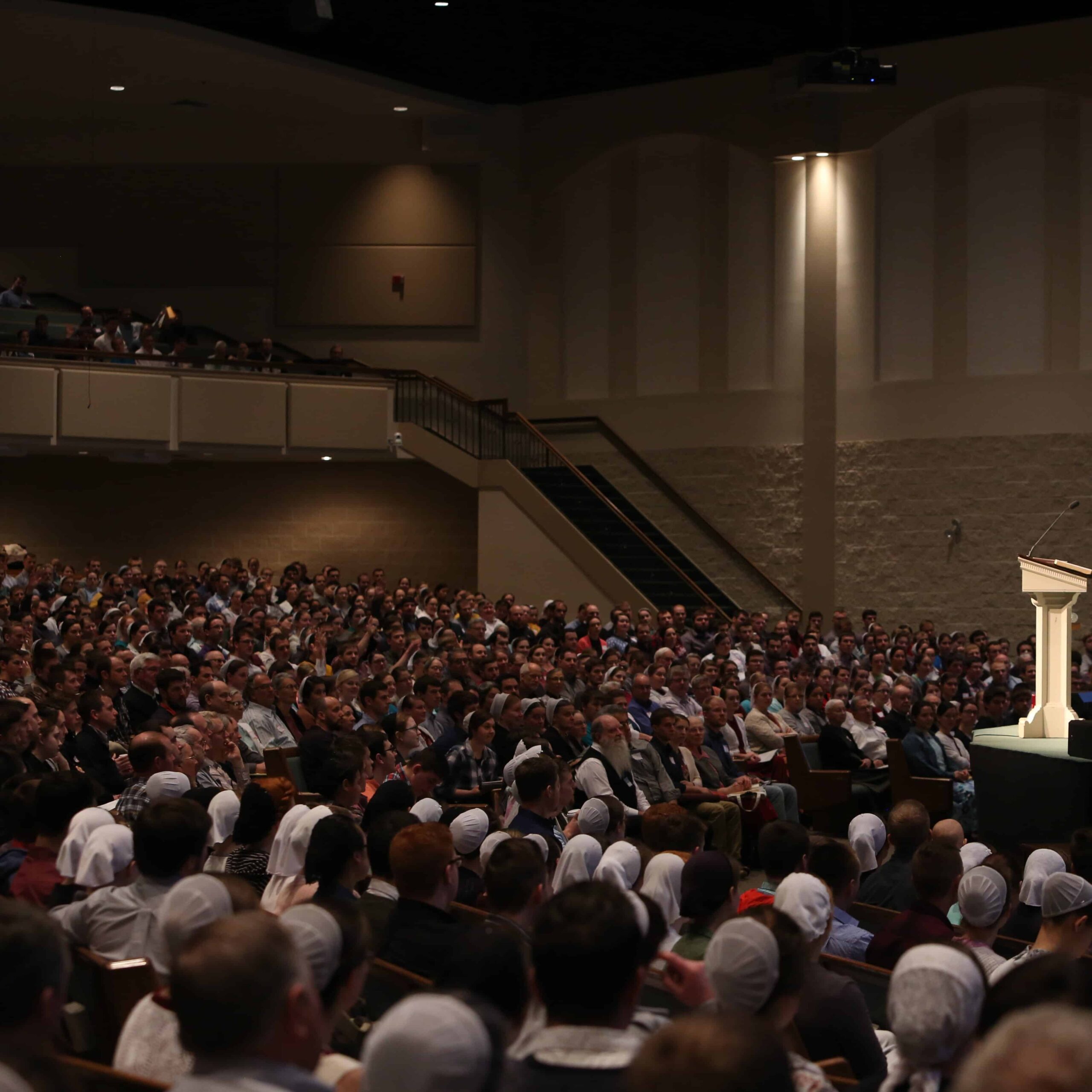
We currently have unprecedented opportunities to “tell the story” among Muslims and internally displaced people. In this session, Reuben Yoder explores ways to turn stories of inhumane suffering and loss into effective forums to introduce the Lord Jesus and shine His light into intense darkness. The breakout includes stories and slides from ministry near Mosul, Iraq.
Try the Spirits
There is so much done today in the name of the Holy Spirit. How do we tell thedifference? Is it right to challenge someone’s claim on having heard from the Spirit of God? Do you know the Holy Spirit well enough that you can discern between the Holy Spirit and false spirits? Knowing the answers to these questions is crucial for us today!
As Clay in the Hands of a Potter: Life Lessons from a Potter
The potter has a useable end-product as his guide as he starts working the clay until he has the final product glazed and fired. This session investigates the spiritual significance of each step in the process of creating clay vessels and seeks to glean lessons for our daily lives.
Compassion Fatigue
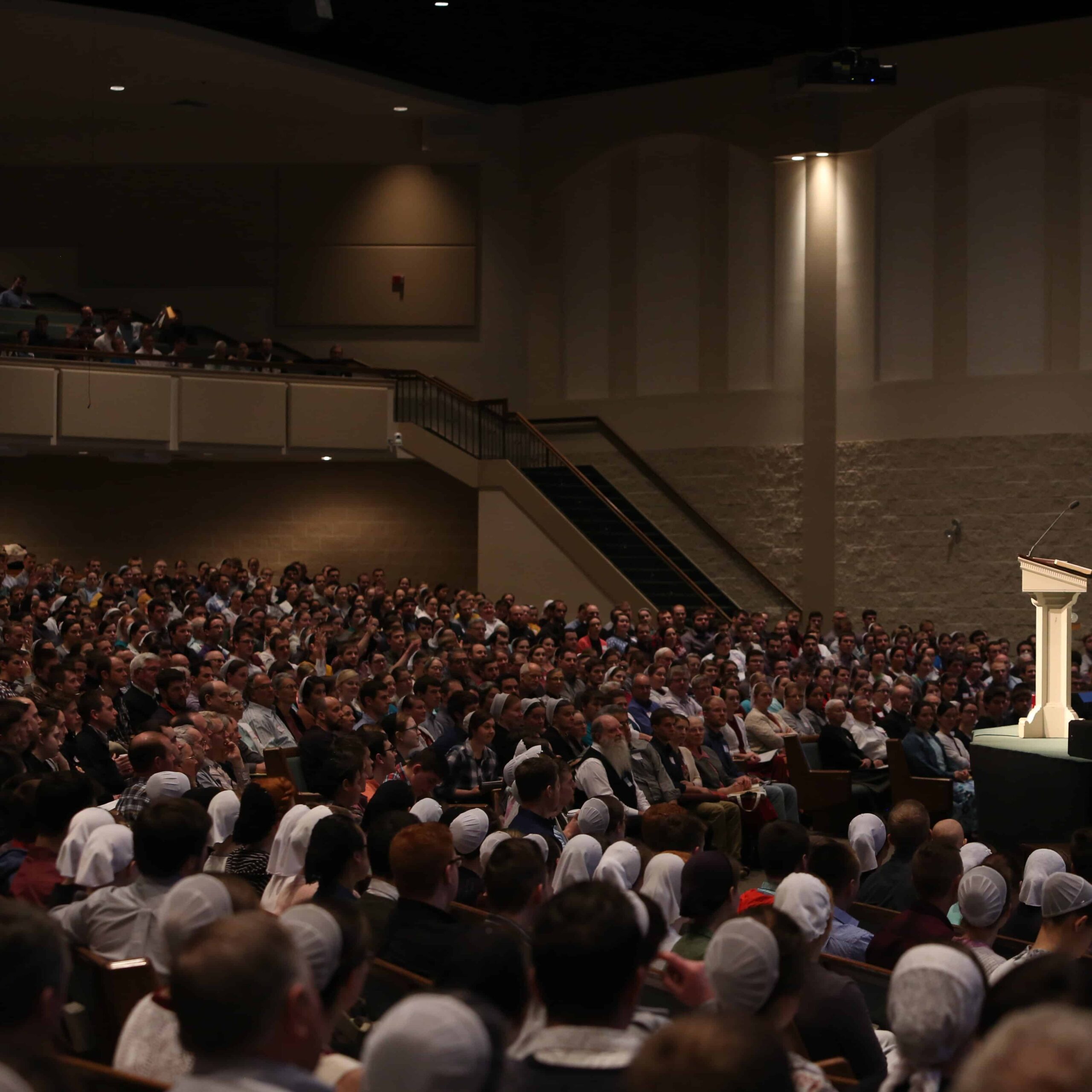
How can we maintain the compassion of Jesus when exposed to the endless needs? Mission opportunities abound and we can easily travel to see the needs first hand. But how can we know the needs are legitimate and how can we be sure our way of helping is the best way or the way that God wants us to help? How can we avoid becoming callused to seeing needs again and again?
- 261Page 61