
All Content

History: "Wisconsin vs. Yoder" Explained
In 1972, the Amish were in the US Supreme Court defending the right to teach their children as their conscience dictated. Resulting precedents affect both our school and our constitutional rights for the practice of conscience. Do these precedents still stand secure?

Workers in the Kingdom
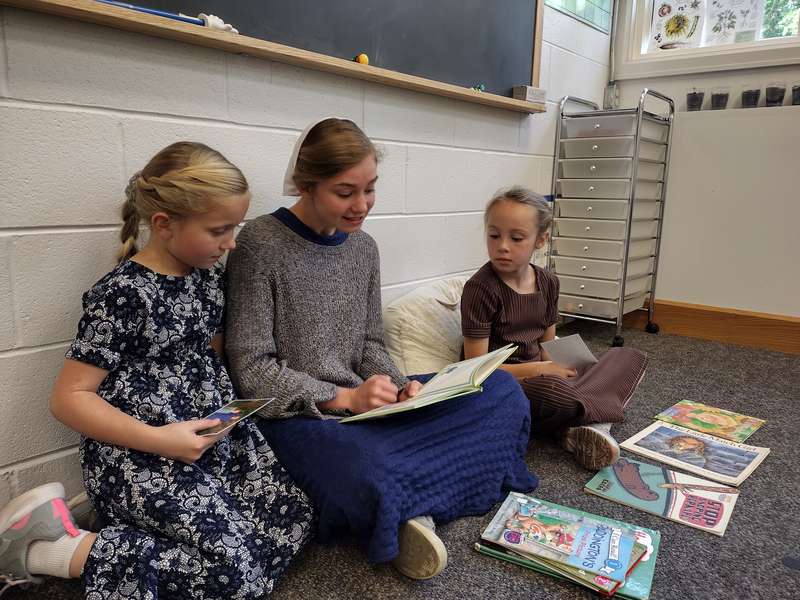
The holiday season with its flurry of excitement is past. Gone are the days of Christmas program practice, class parties, and Christmas break. Here instead are midwinter days filled with the daily grind. You get up on another cold, dark morning and drive to school before sunup. Your classroom is filled with wet boots and runny noses. The perpetual stack of papers to grade seems higher than ever, and problems you never imagined back in October are now surfacing in your classroom.
Maintaining vision and energy for teaching throughout the winter months in the middle of the school year can be challenging, and it is here in this space that we especially need to be reminded of our purpose and calling as Christian school teachers. We should have much more to fuel our vitality than just a cup of coffee and the promise of a paycheck. Yet it is easy to lose sight of the sacred mission we possess amid the pressures of everyday work and mundane routines.
What is this sacred mission? Is it only to serve students and their parents? Many of us got involved in teaching in the first place because we love children and young people, and we want to make a difference in their lives. This seems noble and right. We also want to serve families and to come alongside parents in this important task of raising and educating children. This too is a worthwhile goal. But if our primary focus is only on serving children and families well, we put ourselves on a swift downward path toward burnout.
In order to sustain a dynamic vision of our true vocation, our focus must be on serving Christ, His Church, and His Kingdom. We get to be privileged workers in the Kingdom of God! We are helping to train and equip more Kingdom workers. Keeping this perspective has the potential to revolutionize the ordinary moments of everyday life in the classroom. These moments become holy as we see them through the lenses of eternity and realize the impact that our work can have.
One of the most beautiful parts of this is that our work is not just for the future; it is also for today. That child sitting in your math class may use the tools you are giving him to become a business owner who will build the Kingdom of God by serving the community and channeling funds toward mission work. Your excitement over the science lesson may spark an interest in a student who will bless many people by becoming involved in the medical field. But that is not all. By enjoying and interacting with God’s good creation, you and your students are worshiping and glorifying God in the present. This classroom, that playground, or a class walk in the woods is part of Christ’s Kingdom, here and now.
Tomorrow as you grade papers, tidy your messy classroom, address bad attitudes, and pass out tissues, may you be blessed with a deep sense of purpose. May you have eyes to see beyond the ordinary and to recognize the true nature of your calling.

"I Don't Care"
Don't you love a good project?
Take some time to develop the thing, but once you roll it out to the students, the students are engaged, and you get to stand back and watch them work. You get to advise them as they dig deeply into this thing on their own, whatever the subject is that you've assigned to them in this project. Instead of being the sage on the stage, you get to be the guide by the side for a change. And the students, they're working extra hours trying to fill in whatever gaps they might have. They find sources you hadn't thought of. They learn things you didn't know. And when they get to obstacles, they just bound right over those obstacles as if they don't exist...
It's not connecting? That's not your experience of projects? Sometimes it is, and those are great.
I have only ever had students outright tell me they don't care about what I'm offering in words, maybe a handful of times in the 14 years that I've been teaching. But they tell me they don't care in other ways.
What's actually going on when a student is not engaging with the material I have to offer?
Fear of Failure
A student saying "I don't care"—a student really not engaging with the material may actually be afraid of failing. They might be saying "I don't care" as a means of covering up their fear of failure.
We talked about that yesterday as a misapplication of carefulness. Carefulness is a good thing. If you misapply it and go to perfectionism, then carefulness is damaging and debilitating.
Today I'm going to take a little bit of a different approach to the fear of failure and say that the thing to develop in students who are afraid to fail and therefore feigning a lack of care—the thing to develop in these students is intellectual courage.
Courageous thinking is a willingness to take risks for the truth, for something important. And in this case, intellectual courage is a willingness to take risks for the truth.
So they may be saying they are afraid of failure and feigning that they don't care. And in that case, the thing to develop is courage.
Misplaced Priorities
It may be that the student is saying that their outside life is more important than what is happening here.
In math class oftentimes we talk about making math real for the student, and that means you're connecting it to their daily life. And actually, in every class we try to do this. We try to connect the class to what students are experiencing outside of school. And that's a good pedagogical technique; that's a good thing for us to do as teachers, is to tie what students are learning today with what they know from their life outside of school.
However, if the student is relying on me always to do that, I'm going to fail, and I'm going to lose them along the way because I can't always make those connections for all of my students.
I have 14 students coming in this year. They have widely varied interests. I'm not going to hit them every single time with things that interest their personal life, with every single lesson that I teach. And so it is the student's responsibility sometimes to make those connections.
Transactional View of Learning
It may be that the student is saying of learning, that learning is a transactional relationship.
Think about a transactional relationship that you have with a clerk at Walmart. I will give you this money, you will give me the goods I desire.
Think of the transactional relationship that people have with their boss. I will do the things you ask of me. I will allow you to boss me around for 8 hours a day and in return you will give me a paycheck.
That translates very, very easily into school. I will do the tasks you ask of me and in return you will give me a grade and you will let me go to the next grade. And at the end you will give me a diploma.
Transactional relationship of education means that as long as the student is fulfilling the commands of the teacher, the demands of the teacher, then they have earned their diploma, their grade, their advancement.
Is that really what education is? Is that really what we're all about?
I would say no. No, no, no, no. You see, education is about far more than this transaction.
Malformed Love
Another way the student might be saying this, might be communicating this transactional relationship is that he might be saying or she might be saying, "I love something else more than I love school."
Well, that's fine, actually. Does a student really need to love school itself?
No. But there are things going on at school that ought to be shaping the loves of our students, and students ought to be finding themselves loving certain things more and other things less because of what's happening at school.
So far this week I've been focusing on intellectual character traits, things that exist in the mind, the way students think about things. Today I want to highlight something very different. It is a character trait. Remember, I called character how a student behaves within the range of possible behaviors that they have.
So how do they behave within a range of possible behaviors, within that range of possibility when it comes to love?
Love is a transitive verb that means it needs an object. There is something—you don't just love, you love something or someone.
So while we are thinking beings, I would argue that we are much more than our minds. What we love is a deeper part of who we are than what we think. Now the two are closely connected. I like to say that the mind defends what the heart chooses.
Education as Reformation
Education is not a process of information; it is a process of reformation. Think of it almost like a hammer and an anvil and the student is this piece of metal. I almost said a piece of work, but that has a different connotation. Sometimes they are a real piece of work.
We shape our students. But it's not in a single act, it's not in a single statement. We don't have these brilliant moments where we change the life of a student. I wish for us that we all could have that experience, but it's rare.
What happens over time is that the student gets shaped by what happens repeatedly. Loving God, loving our neighbors through practices, these daily habits, will hopefully move the needle.
Now, I recognize, I recognize we have our students for a very short amount of time in the overall scheme of things. We have them for a few hours a day. Then they spend a lot of time elsewhere. And a lot of their loves are shaped by their friends, by what they do elsewhere. As teachers, we have limited capacity, but we do have some capacity to shape their loves. And I'm saying that we ought to be using that capacity to the fullest of our abilities.
If you wish to build a ship, don't drum up people to collect wood and don't assign them tasks and work, but rather teach them to long for the endless immensity of the sea. Perhaps the problems that I face with getting students to really engage with the projects that I give to them, to really engage with the lessons of the day, perhaps those problems are not so much problems of disconnection. Rather, they're problems of students not longing for the immensity of the sea and not seeing how these things that they're doing day by day connect to that big term, that long-term picture.
I have a vision for schools where each classroom is a community of lovers. Lovers together of truth, lovers of knowledge, but more importantly, lovers of each other, lovers of God, and lovers of neighbors outside the classroom. And we can do that through practices that build that community.
For One
“Somebody will have to be killed before they change it” This statement came regarding an intersection that has been the site of several accidents. Wouldn’t it be nice to change it BEFORE someone is killed? Could we do that just for one person? I know there are laws and traffic studies that are part of these decisions, but it would be nice to prevent a death if possible.
At church we have a girl in a wheelchair. I am impressed and pleased with the accommodations that are made for her, for just one person. Sunday school rooms were switched so she doesn’t have to go upstairs. The legs were extended on a table so her wheelchair would fit underneath. A bench in the sanctuary was shortened so her wheelchair fits in without being in the aisle.
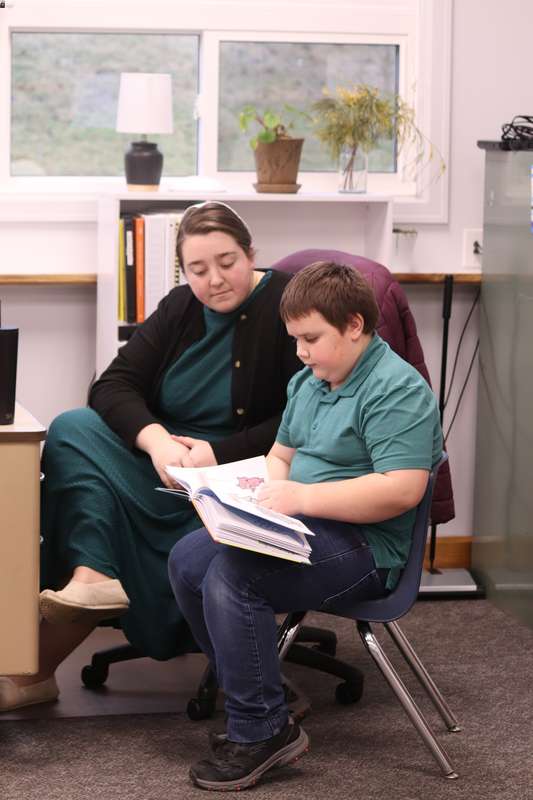
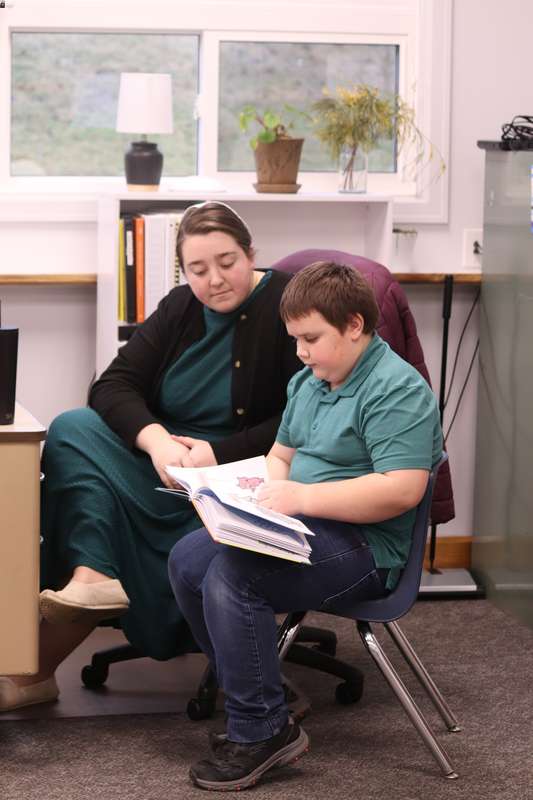
I have thought of this “just one” term at school. We make arrangements, accommodations, and modifications for individual students. We don’t have to lump all the class together but try to plan for each child. I rearrange my schedule so Tyler doesn’t always miss fun science lessons to go to learning support class. I excuse work for Ben when he gets frustrated with not getting finished because he works so slowly and carefully.
How can I work with each individual student? I can make connections to the interests of each child. Tyler is often distracted during class, daydreaming, and not on task. He really got into his RC car, though, and told me all about how it had a funny smell after Joel drove it really hard. He compared that to his golf cart at home (“I can really drive it!”) when something was wrong with the golf cart, and diagnosed what was wrong with the RC. I can connect this learning for him by making comparisons, reading about motors, relating it to science. In this way, I can capture the attention of one student who may otherwise get missed.
We try to think of each child’s needs, interests, and abilities. We may give student surveys to learn about the children and their interests. We can do parent surveys to gather information about the children. We may modify assignments “for just one” child to help them be successful. James needs extra tutoring sessions on spelling words and Bible memory. These tutoring times are working for “just one” and then I modify his other assignments because he doesn’t always have time to complete everything after being pulled out for the tutoring sessions. He may do just one side of the math fact page, or I may excuse an assignment. I add a read-aloud book because Michael is interested in that book’s topic. I include an outdoors lesson to intrigue a child who needs fresh air and activity. I may give extra explanations on a topic. I may add some songs to our repertoire after I learn which songs are favorites. I may modify assessments “for just one” when my ELL student does half of the Bible memory passage. It is just too much for him to memorize the entire passage in English.
Encouragement is also important for "just one.” Noticing effort, little successes, and improvement goes a long way in helping “just one.” I find I need to keep notes so I don’t neglect anyone because every “just one” in my class needs encouragement!
One Sunday Amy was very busy and silly in Sunday School and did not listen well to me. I talked with her mom after church, and her parents talked with her. The next Sunday she did very well, and I told her at the end of class, “Amy, you were very good today!” I didn’t realize what an impression this would make on her. Her mom reported that Amy came out from class and told them, “Arlene said I was good!” That was encouraging to Amy, and it reminded me to take the time for “just one” and encourage them.
When Jesus said we should serve the least of these, and called us to serve just a cup of water in His name, surely He was intending that we serve one at a time. Each one matters to Him. Thus, each unique, gifted, individual student should matter to us too.
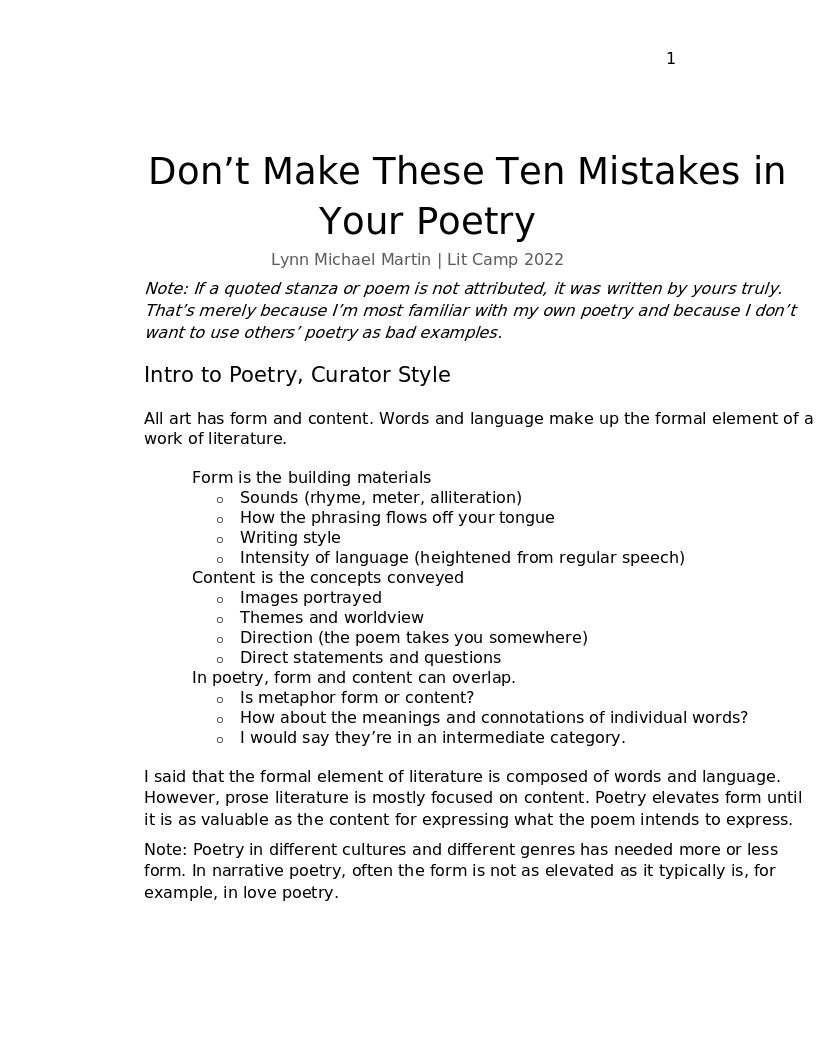
Don't Make These Ten Mistakes in Your Poetry
Advice from a poet for growing poets on how NOT to write poetry. Courtesy of Lynn Michael Martin at the Curator.
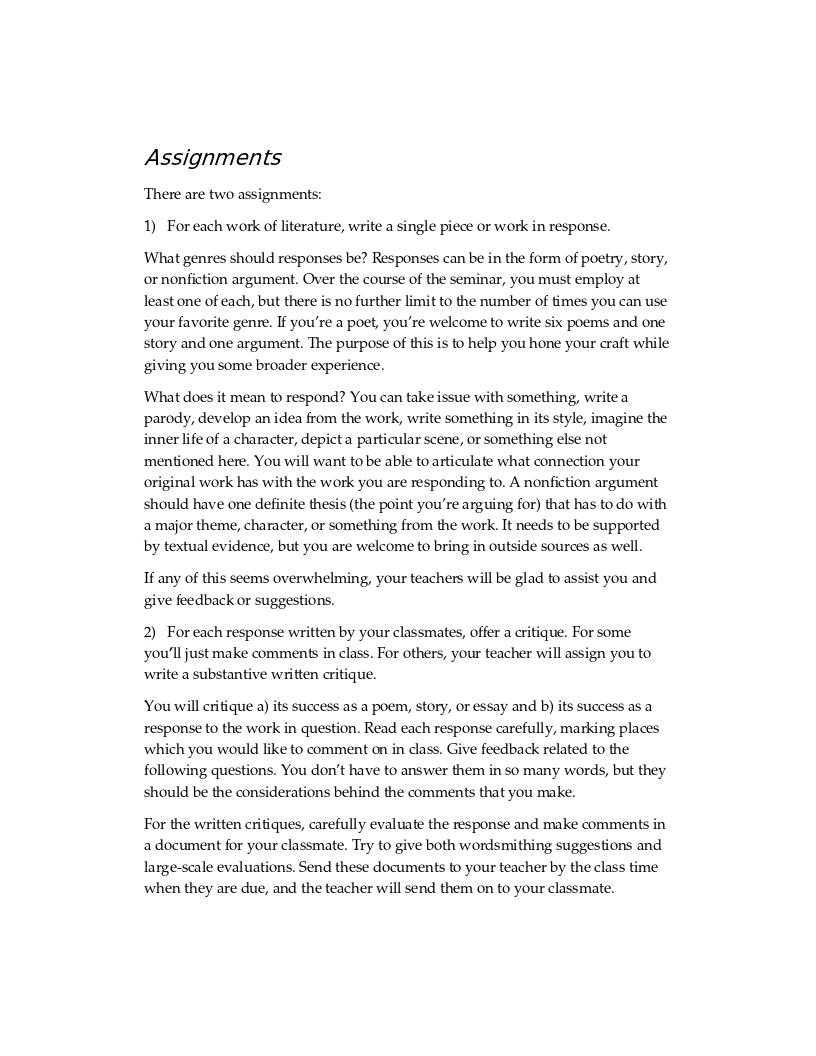
Responding to Literature
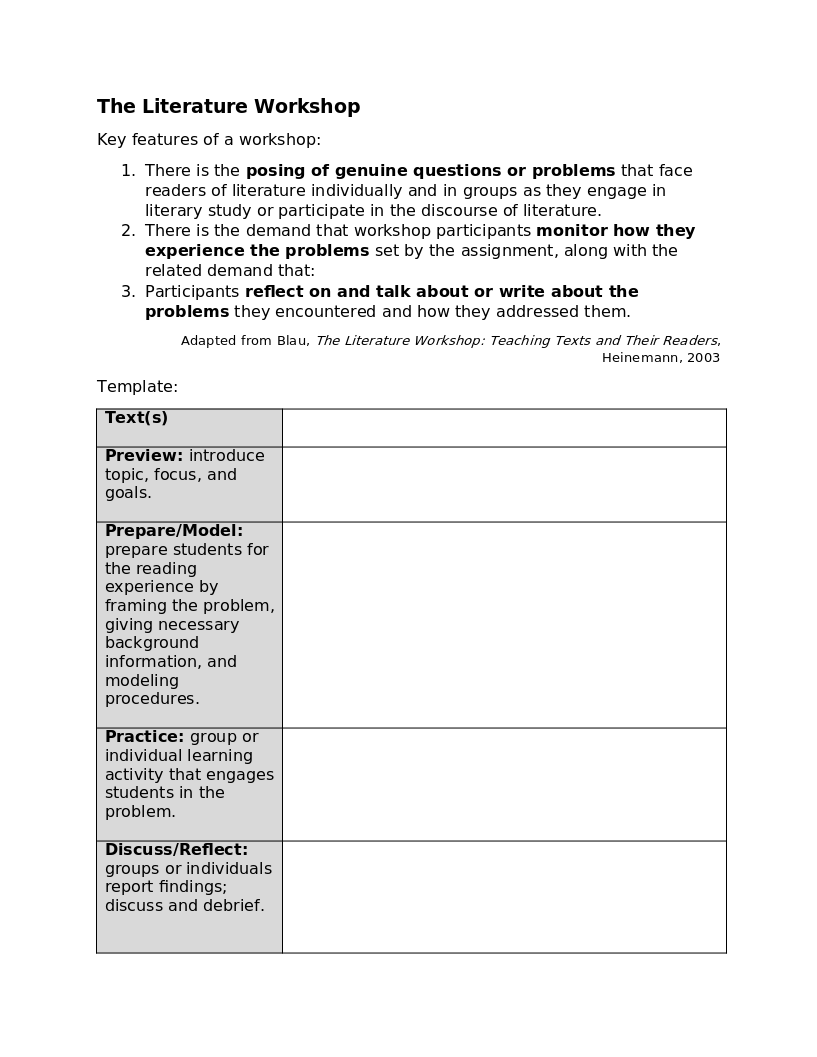
A flexible literature assignment promoting engagement with literature through personal response and group dialogue and critique. Courtesy of Lynn Michael Martin at the Curator.

Miami Christian Academy
In anticipation of hiring over the next 5 years, Miami Christian Academy, in Miami, Florida is seeking to dialogue with teachers interested in teaching in an urban, cross-cultural school. Potential teachers must have 3+ years of experience or a bachelor’s degree, speak Spanish or be willing to learn, work well in a team, and have strong references. If you know someone who fits this description or if you are interested, please contact Patrick Heatwole at patrickh@miamichristianacademy.org.

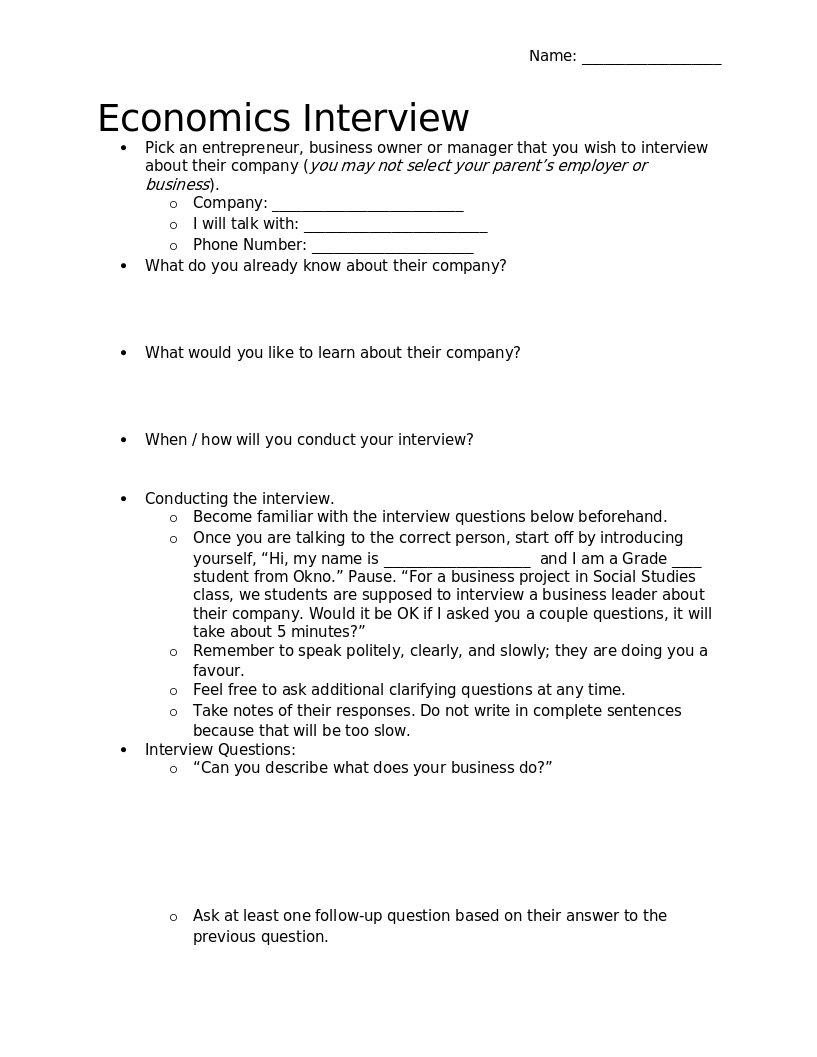
Interview a Business Owner
A project in which students interview local business owners as part of a unit on economics. Includes instructions for conducting an interview and interview questions.
From the contributor: In a unit on the economy, industry, and careers, I assign this project to students. Calling up an adult really takes them out of their comfort zone, but they find it very rewarding; it's good real-life practice. I prepare a list of local businesses beforehand as options; I ensure that no business is taken by two students. The report is less important to me than the interview itself.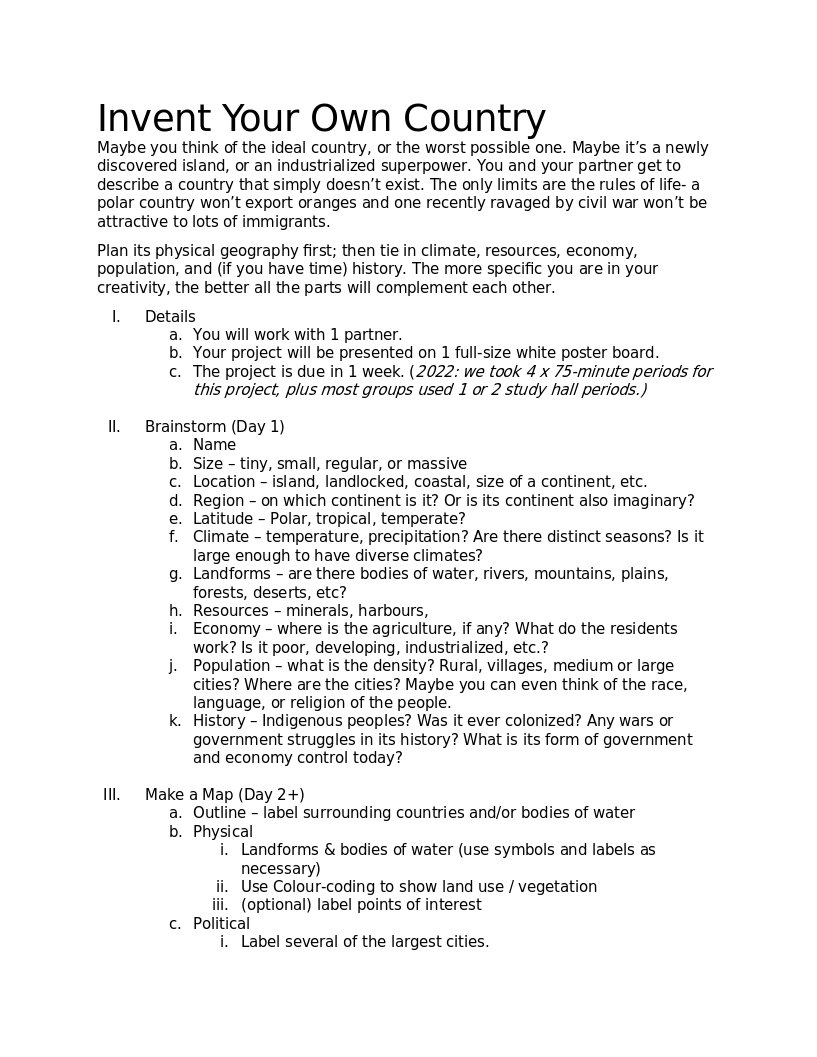
Invent Your Own Country
A world geography project in which students create an imaginary country, literally from the ground up.
From the contributor: We use Abeka World Geography for half of our course (Grade 9 Social Studies). As a culmination project, I give students a week to create their own imaginary country. This project is a great hit and has become one of those classics that junior high students are looking forward to.
Designing and Managing Student Projects
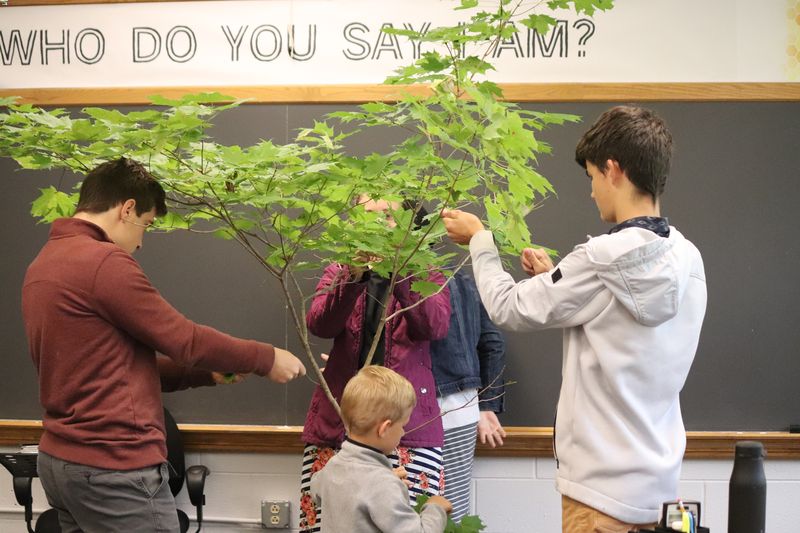
While most of our class time should be spent covering major concepts and the material in our textbooks, there is much value in having students complete projects. It has been proven that students learn more and retain information much longer if they are actually involved in working with or creating something using their minds and their hands.
Projects create a completely different dynamic in the classroom as well. Students become actively involved in learning, and usually really enjoy it. The variety also does wonders for classroom morale. The learning and creativity that takes place is well worth the extra planning and mess.
Designing Projects
Two main categories of projects are written presentations and hands-on projects. While I far prefer hands-on projects, written projects are also very worthwhile for students. Here are a few ideas for both of these categories.
Written: reports, speeches, poster board presentations, portfolios (folders with both written information and photographs or drawings)Hands-on: three dimensional projects, art projects, science experimentsEnglish Projects: I usually require my students to choose a history topic for their English research papers. That way they are practicing their writing skills and increasing their knowledge of other subject matter at the same time. Other ideas for English projects include designing a class or school newspaper, or writing and illustrating their own books.History and Art: Often I will research the folk art of whatever country and/or time period in history to get ideas for projects for history and art. Architecture and invention are also great areas from which to glean ideas for projects.Science: I try to complete every science experiment in the book, even if it is a day or two after we covered the material because I had to go purchase or find something unusual.Warning! Projects can be very taxing on parents. One of my children once had five projects due the Monday and Tuesday after Thanksgiving break. It ruined our family time, and we spent much time shopping for whatever was needed. Because of this, I follow these three rules.
- Provide all the supplies needed and the time to do it at school. We have the students for seven hours a day; let’s use the time wisely.
- On the rare occasions where my students do have to complete a project at home, I never make it due on a Monday. Usually it’s due on Thursday, and then if it’s a day late (- 10 points!), they can turn it in on Friday and still enjoy the time with their families on the weekend.
- I never assign anything due the week after a holiday break.
Managing Projects
Before you attempt any type of classroom project, you should have your ducks in a row. A few aspects to consider before trying to introduce projects into your classroom repertoire are timing, purpose, and procedure.
Timing: Timing is very important. I believe that it is best to complete a project after the material that it relates to has been covered in class. For example, last week we learned about the Dead Sea Scrolls. This week in art class, we are going to make some large scrolls with Hebrew writing on them. This enriches their understanding of what we have studied.Depending on the classes I was teaching and how flexible my schedule was, I have usually done these projects two different ways. If I was also the art teacher, we worked on our projects in art class while we were studying the content in history. If I was not the art teacher, I tried to complete one project about every two weeks, beginning it after the students finished the chapter test (which usually didn’t take the whole period), and then using the next class period to get it completed or well underway. I would then give the students another two weeks (until we began the next project) to finish it, letting them keep their unfinished projects in my classroom and work on them during study halls, lunch, or whenever they had extra time.
Purpose: The purpose for doing any project should be to complement what the students are learning in a specific class (usually history or science), or for the purpose of just being creative and using their brains to think in a different way using space, color, and motor dexterity, as well as learning new techniques and skills (usually art class).Procedure: This is muy importante. Great classroom management is a must before attempting to do any type of project in class. There are also a few practices that keep the chaos down and the learning up. I have found that if I follow these procedures, the students are usually so enthralled with working on their projects that they don’t talk much or get distracted.- With students sitting quietly, explain slowly and carefully how to complete the project. Show them a finished project that you have made yourself, if possible.
- Give students a variety of options and ideas. While my students are usually all working on the same type of project, the end results are very different because I’ve presented many different options to them and encouraged them to experiment and try different variations.
- Either pass out the materials yourself or let students go in small groups up to a table and choose what they need. I usually dismiss them by rows to do this and will not let the next row go until the students from the first row are seated.
- Next, lead students through the steps, going slowly and modeling what is supposed to be done up front where they call all see.
- Walk around and oversee, encourage, or show students the different ideas that their classmates have had.
- Near the end of the period, give students exact instructions on where to put their projects until they are finished and how to clean up the work area.
- Always give students a grade! These are learning experiences and enjoyable, but they are part of the classwork and need to be completed. Give students a week or two and then follow up with them to make sure that they finish their projects. Make sure they know when the due date is, and have it written on the board.
- Display the projects for others to see.
I have found that working on and completing projects at school has greatly enriched my students’ understanding of the material that we are studying in class. Not only does more learning take place, but the effect that projects have on morale and just helping students enjoy school and each other makes doing projects well worth your effort!

Opening Our Eyes to Grace
What does it mean to be a school of grace? Schools of grace give children unmerited, transforming love and acceptance; they have conversations that bless and honor parents, authorities, and the marginalized; and they orient their curriculum toward service. In this talk from Teachers Conference 2021, Patrick calls schools to be oases of grace in a world of anger and hurt.
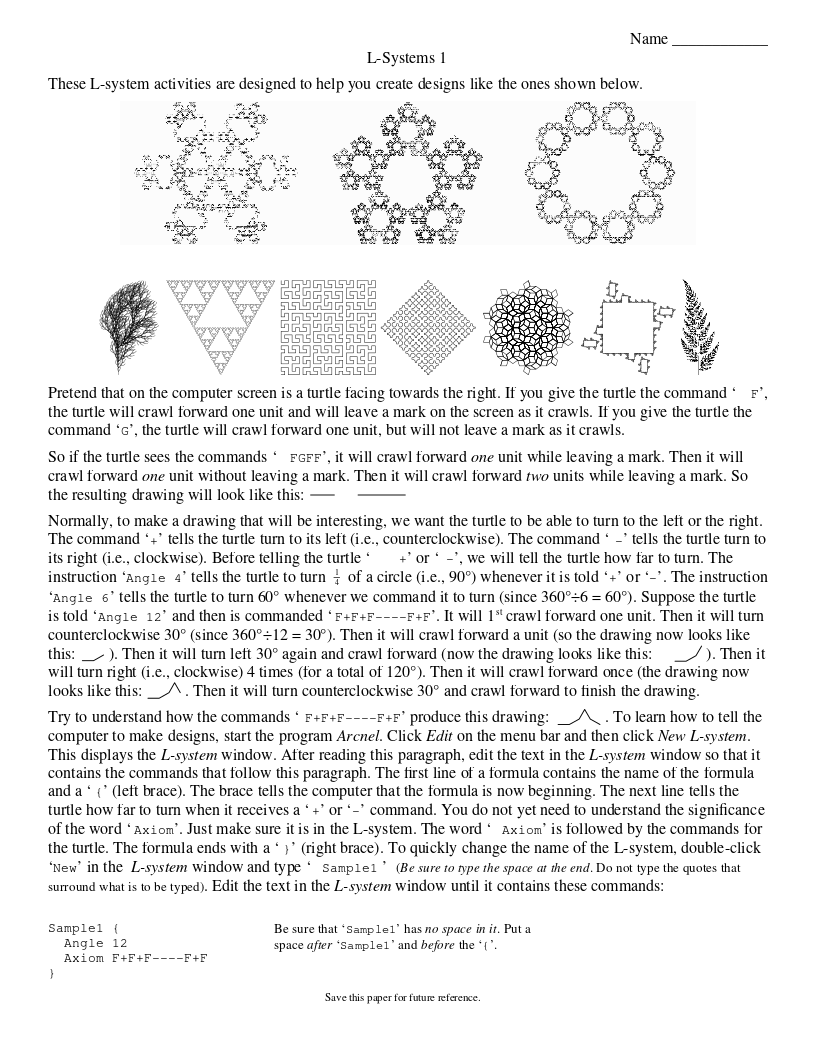
Expand Geometric Thinking with Arcnel
Arcnel is a new version of Elsys which was uploaded earlier. Arcnel's new name reflects its ability to draw arcs as it processes L-systems. "Lsystem Activities.pdf" is a series of activities designed to provide experience in working with L-systems. "Lsystem Concepts.pdf" teaches about L-systems which can be used to enhance understanding of geometric concepts.
Arcnel is a portable program: it runs when opened without requiring installation.
Note: Since Arcnel is created by an individual and not registered in major software databases, your computer may prompt you to block the app when you launch it. If you see a Windows SmartScreen warning, choose More Info, then Run Anyway.Download and extract Arcnel with instructions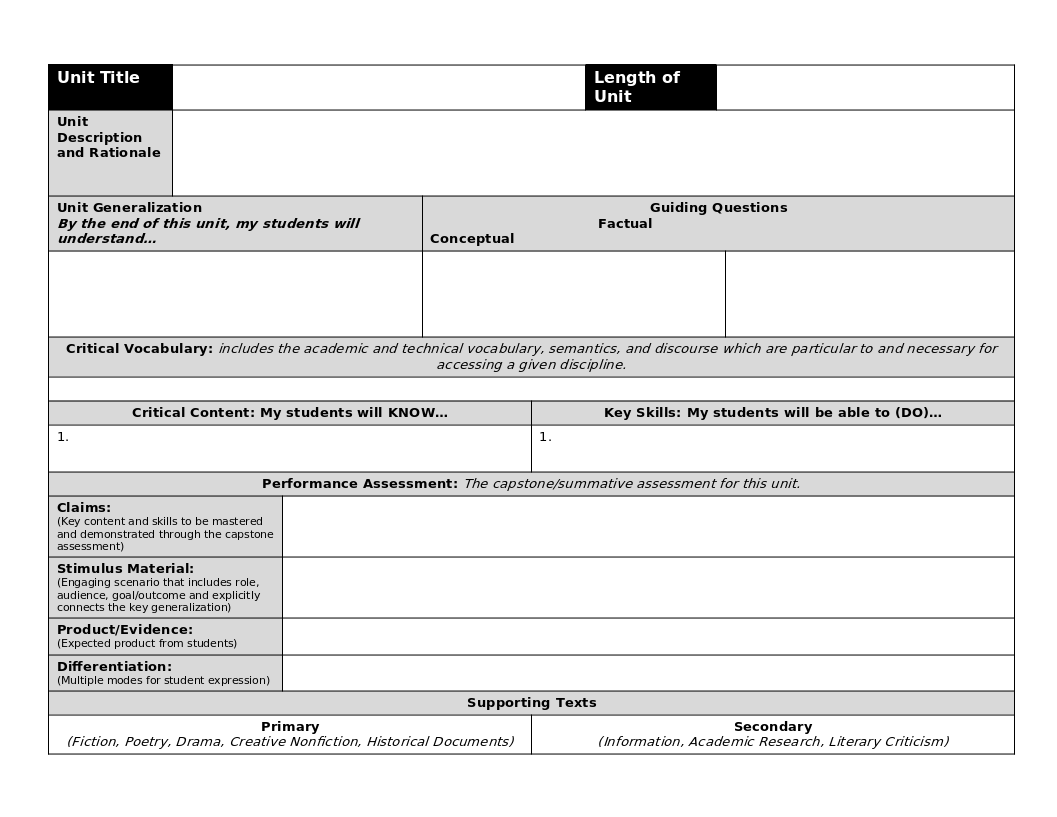

- 261Page 53