
All Content
Why Teach World Cultures/Geography
What role does world history and geography play in shaping worldviews? Linford Horst emphasizes the value of understanding different cultures for effective communication, global engagement, and mission work. He also touches on geopolitical issues, resource distribution, and the impact of geographical features on societies.
The Value of Recess and Play
Did you know that decreased physical activity can affect children's ability to learn? Play is not just for fun, it's an essential part of learning, creativity, and imagination. Jeremy Sauder highlights the benefits of movement, risky play, and sensory stimulation for proper development.
Why Teach Economics/Civics?
How can we encourage students to think critically about economic systems and government structures in today's world? Arlyn Nisly encourages interactive teaching methods such as student-led current events discussions, economic simulations, and ethical debates to enhance student engagement and critical thinking. He emphasizes the significance of addressing real-world issues in the classroom, utilizing resources like specific textbooks and practical activities to make these subjects more relatable and meaningful for students, and fostering a deeper understanding of civics and economics beyond theoretical concepts.
A Suffering History Part II
Is Christian education a right? What can be learned from people like Dave Burkey who interacted significantly with government officials? Ken Kauffman continues with stories of Anabaptists who were willing to face adversity because they believed they were responsible for the education of their children.
Living Out Our Faith in Economics and Civics
What is the connection between economics, civics, and faith? Arylyn Nisly emphasizes the importance of prioritizing heavenly treasures over material wealth and living as residents in earthly kingdoms, advocating for a Christ-centered worldview that values community over individualism and encourages critical evaluation of societal norms.
Serving Well on the School Board
Durwin Troyer shares personal experiences and insights on supporting teachers, maintaining open communication, and prioritizing education. Training and transitioning new board members, creating clear job descriptions, and utilizing communication tools are highlighted as key strategies for effective governance. The significance of respectful visits to classrooms, fair teacher pay, and facing challenges head-on is also discussed.
Tending Teachers
How can the school board support and understand their teachers? Anothny Hurst emphasizes the need for resources, training, and a positive work environment to help teachers feel confident and cared for. Suggestions include professional development, group studies, and open communication between teachers and school boards. He further highlights ways to develop teachers, build camaraderie, empower teachers, and show appreciation for their work.
A Suffering History: Conflict and Sacrifice for the Cause of Christian Education - Part I
Priorities for the Youngest Students
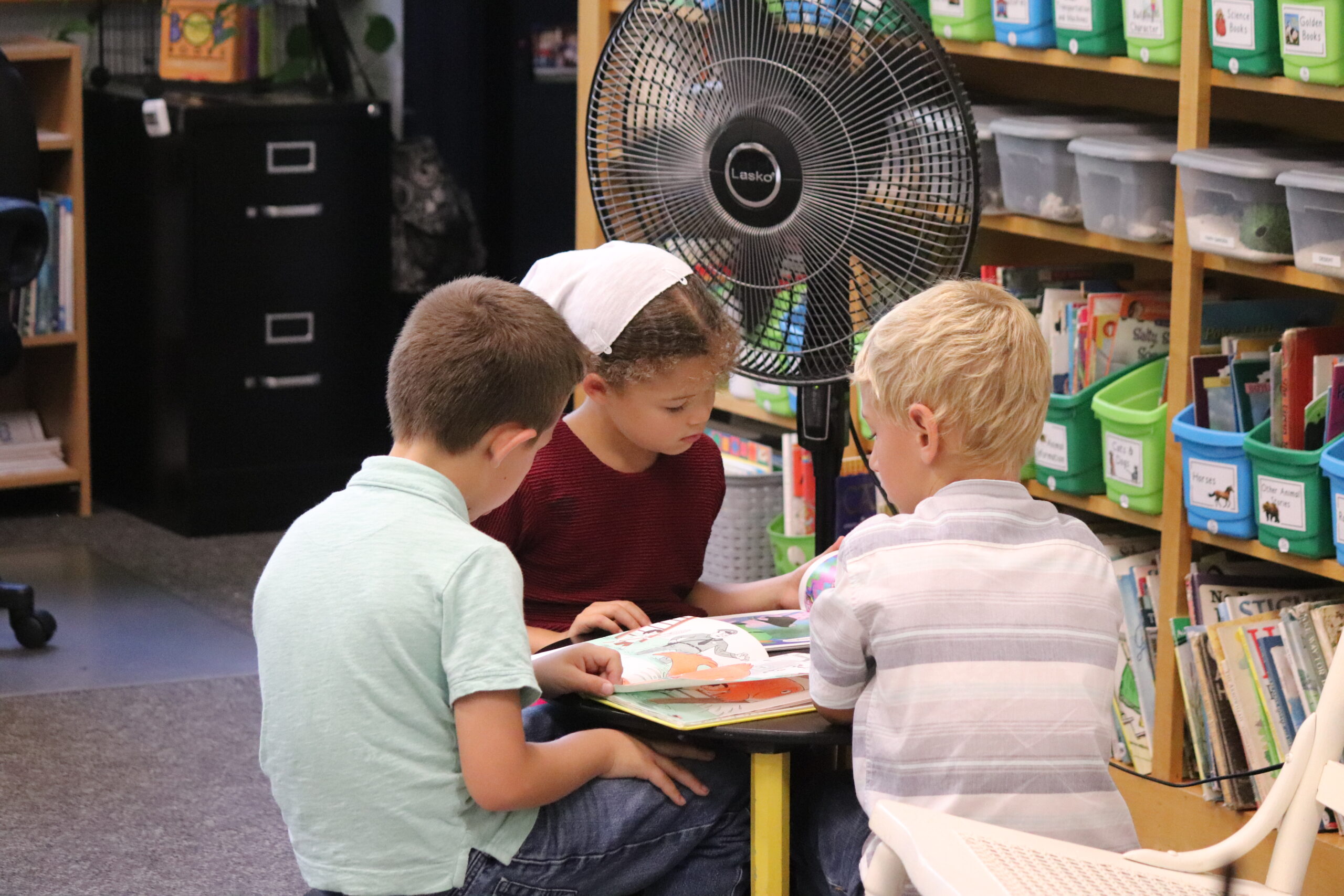
What should kindergarten and first grade teachers prioritize in order for their students to have a positive early school experience that equips and prepares them for the rest of their school years?
1. Security. First of all, students should feel that they are in a safe environment where they feel cared for and protected. Five or six is still a fairly young and tender age, especially since most of our students are used to being at home with their parents for almost all of their preschool years. It’s best if they can visit the school while it is in session. This is best done with a parent holding their hand if necessary, leading and guiding them, encouraging them and reassuring them that this is a safe and enjoyable place to be. They should be welcomed by the teacher and other students, who should smile and be friendly.
The environment makes a huge difference as well. It should be warm, interesting, and inviting, opposed to cold and sterile. We usually have age-appropriate books and a few puzzles out on tables. Art adorns the walls, and our current art projects are usually in progress laying nearby. There should be an extra desk for any visiting student to try out, and a carpeted, comfy reading area. Ours has a teepee on a soft rug, crocheted fruits and vegetables, books, and brain games in it. Students are encouraged to explore these areas at some point in their visit.
We have had students enjoy their visits the most when they were included and got to participate in whatever classes were going on when they arrived. We have extra papers or supplies nearby, and students are invited to join in the current classes, but they are never put on the spot and asked to answer a question unless they want to.
One of the greatest fears younger students have at school are the older students. It helps if they are introduced to these older students while they are seated, not standing up and looking tall and scary to the younger ones. I ask my older students to smile and say hello. We strive for more of a family atmosphere, and being kind to the youngest students goes a long way toward this goal.
All of these should help students to feel welcome, safe, secure, and cared for at school. If students are worried or don’t feel safe, they are going to have a hard time relaxing or learning.
2. Calmness. The early years of school set a precedent and mold a student’s state of mind and how they approach school. School should usually be quiet, calm, and orderly. Nothing should be rushed. Everything should be purposeful and calm. The teacher should set the pace for this by leading her students well and setting a calm example. Softness and gentleness should be the norm, and she should lead out with authority and calmness. This does include lunchtimes and breaks. There should be times of laughter and rest—a mental break—but not a time of chaos and disorder. After lunch, it is more effective if students have a bit of free time, but not so much that they get into a rollicking game of softball. If you've got a history class after that, they are probably going to have trouble paying attention. I have found that it works better if students have just enough time to relax a bit. Then their minds will be refreshed and ready to get back to work. P.E. class is a little bit later in our day, with classes like music and art which don't take as much focused energy following it.
3. Order. Working side-by-side with calmness is order. There should be a set schedule for the day that is usually pretty closely followed so that students, especially the younger ones, will know what to expect. There is also safety and comfort in following a daily “rhythm.”
The teacher should also make sure that the students are all listening when directions are given, and that students understand exactly what it is they are to do. Practicing doing things correctly ahead of time (raising hands to speak, etc.) is very helpful for all students, but especially the youngest ones.
4. Handwriting! From the very beginning, having good handwriting should be stressed. Students should learn the correct way to hold their pencils, using the thumb and first two fingers in a “lobster pinch.” The triangular rubber pencil grips are extremely helpful in this endeavor, and we make sure that all students start out with them and have access to them as long as they desire.
Students should also learn how to correctly make the strokes the right way. Teachers should repeatedly model this in large, bold strokes on the board, and then have students practice this with them in the air, finally repeating the process on paper. The larger lined paper should be used. I prefer the kind that only has one dotted line down the middle and a red line for the baseline. Students should also clearly understand which letters go “down to the basement:” g, j, p, q, and y. Students will often try to keep the letters above the line if they are not taught properly.
They should also learn to press down fairly hard with their pencils and make bold downstrokes—not faint upstrokes—when writing. This will result in purposeful and precise strokes, and not wispy light ones.
5. Focused work ethic. Having an overall classroom culture of focusing on work when it is time to work, but then having order and calm when it is time for the less-focused activities is a wonderful balance. Students will feel safe in these parameters, know what is expected of them, and will perform accordingly.
6. Consequences. While obviously these should not be stringent, there should be set classroom procedures that allow a teacher to maintain both his classroom culture and calm demeanor. That’s where consequences come in. This often entails a warning, followed by a time out in a space away from the rest of the class but still visible to the teacher, and finally, a written slip or communication with a parent. Students thrive when they are operating within set parameters with known consequences if they make the choice to function outside of these guidelines.
Wonder through Science
Our interest here is thinking, how can in science class, can we help to maybe loosen the scales that are on our eyes and really see, really see the presence of God, the wonder of God in the world that he's made. So how can we teach science? How can we explore the created world that keeps that wonder, keeps that sense of awe, that sense that I'm small and this world is amazing that God is made. So, I asked the question, how can we, in our classes, take off our shoes? How can we cultivate this ability to see to where our jaws drop? And we say, "Wow. Yes. This is amazing!" And I'm going to suggest that, while the best jaw dropping is done in the context of seeing God behind it all, just dropping the jaw is in the right direction.
So here are eight ways to take off our shoes.
One: Look until Breathless
Let's look and keep looking until I am breathless. So, this first one is about what we do as teachers. And I'm suggesting if we're going to inspire wonder, we have to feel wonder. And that means we're going to have to prepare. We're going to have to look. We're going to have to dig into our subject matter to the point where we come alive to it. If you want them to come alive to the wonder of the creative world, you have to really be alive to it.
Marlene Lefever said this, "Becoming an effective teacher is simple. You just prepare and prepare until drops of blood appear on your forehead." You see, it's that kind of work that we need to do. You might say, "Oh, that's going to kill me if I do that." No. No. No. You have to push through the complexity before the simplicity comes. You have to push through some of the work before you really the scales drop off your eyes and you say, "Woah, this really is amazing!"
We should not expect to inspire wonder if we don't thrill ourselves to what we’re teaching and learning together. Second, we need to identify a wonderful, a full of wonder, a wonder full focus or demonstration that can be do, that we can use. So here we're going to be talking about demonstrations. Some demonstrations have wonder built into them.
I taught electricity and magnetism for many years. I've used Van de Graaff generators, which they can be, wonderful. I've made use of Tesla coils. I've used a variety of things, made little, small generators, or had the students make motors, a variety of things. But you know, I still, after years of doing that, the old (which I know many of you have seen this), but the old magnet in two is just a wonderful way of talking about electricity and magnetism. And in fact, it’s part of the reason what makes it so wonderful is that it's counterintuitive. Everybody knows that cardboard, there's no attraction between a magnet and cardboard.
And now, this on the other hand is a what kind of tube? Looks like copper. It's a copper tube. Is a magnet attracted to copper? No. It is not. No attraction there. And we all know that when objects drop, they drop at 9.81 meters per second squared. That's the rate of acceleration. And if we drop that through this tube, it drops at that rate, 9.81 meters per second squared. And so, when we drop it through this, which is no different than the cardboard tube in terms of neither, subtracted to neither. When we drop it through this, it should also drop through at nine point eight one meters per second squared. But this time, I have plenty of time to catch it. See, that's a wonderful demonstration. And then we can go and talk about all kinds of things related to electricity and magnetism and so on.
Two: Modify Ordinary Demonstrations
And, you know, there there's lots of demonstrations that you can do. Just take common ordinary demonstrations, and by changing them up, adding features or whatever, you could turn them into something wonderful. Every child has grown up pouring vinegar into baking soda. I mean, that's just that's a right of growth or something for us. And so, you, but you can take that, and if you just did that, it would be, oh, what's the big deal? If you put it in a test tube, put a cork on it, and the cork spout it out, that would add some wonder to it.
But you could also do things like... Let's just take a candle. So, what we're going to do is mix up some, you know, after we're talking after we've talked about the gas, carbon dioxide that's produced when we have baking soda and vinegar, we'll just mix them up into a container. Then we'll talk about how carbon dioxide is heavier than air and that it's a fluid, and you can pour it. And so, in order to demonstrate that we can pour it, we'll create some carbon dioxide, and then we will see if we can pour it down the trough and put out the candle. Since flames need oxygen, carbon dioxide covers it. So, I'd prefer to use a, a container like a I generally use a big gallon jar, but I didn't have one this time. So, I'm just doing it in a bucket. The bad thing about this is you can't see, the fizziness and everything. But it's producing some carbon dioxide in there. And now we will try to pour it down the trough, and boom. It's gone. Thank you.
So again, you can just take some ordinary that they're used to and add some pieces to it to increase the wonder value.
Three: Surprise after Content
Third, content first, then the surprise. Once you have a reputation of giving discrepant events or wonderful dim full of wonder demonstrations, then you actually have some capital in the bank that you can spend by teaching content.
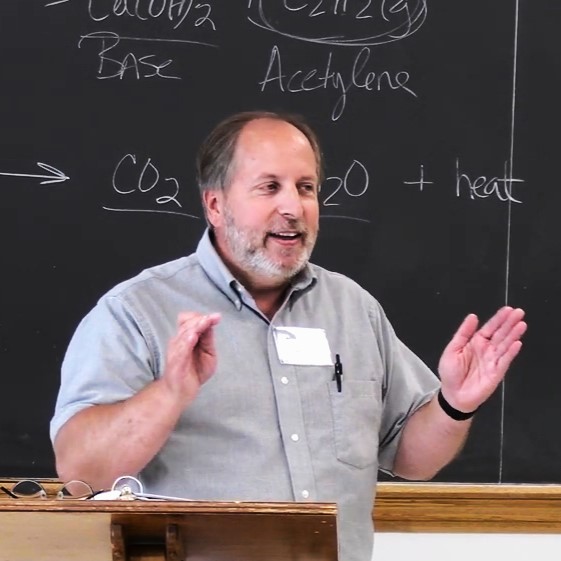
So, if this is sitting there in front of your class, again, you can teach for an hour, and they're going to still be watching because they wonder, when are we going to get to the gun? And, but so what you do is you take, you know, your kind of maybe motion toward that a little bit, "What we're going to do today is we're going to talk about..." Maybe it's single displacement, double displacement reactions. Maybe you're just talking about balancing equations. But you can talk about, say, "Today we want to look and consider this equation and, see what's going on." We might label all of the different components. We might come along and say, well, "Is this a solid, liquid, or gas?" And so on. And so, we get in other words, we're just talking about a lot of things, maybe reinforcing, reviewing, or maybe I would take an equation like that and use it to teach a whole bunch of stuff, kind of build it around the one equation. We'll explore different parts of that. And so, calcium carbon, oh, we have some of that here. It's a rock-like chemical. And so, what are we doing? We're just putting it with water, and that's producing calcium hydroxide to form a lime. Of course, it's a base that we're producing. And then what is this thing? Has anyone ever seen it? Well, eventually, you can tell them that's acetylene, and someone will start to say, oh, we have that in tanks at our shop, and it burns. And it's okay. Well, let's see. Let's go ahead and take that gas that's produced, and this is a gas. So, acetylene we're going to take acetylene, and we're going to add oxygen to it. And what is that going to produce? It's going to produce carbon dioxide plus water, but also in the process there is heat. And we also know that, if we add a match and a fire to that, there's the potential for an explosion. So that's what this is for. So, you see the idea though is to be content rich. Talk about a lot of things, teach a lot of things, all hinting that something's coming.
And what's the something? Well, we need some water. I have some water here. What we're going to do is put the water into the well. So that's going down here in this portion. And then we're going to get some of our calcium carbide. I don't want to introduce it to water too quickly. And so, we put some calcium carbide here in the... This is just a piece of PVC. Stick it in here. Now, when I turn that, that's going to dump the calcium carbide into the water. And that first equation will be descriptive of what happens, and it will be producing acetylene. So, I'm going to put... You'll notice this this cap has a little hole in it. That's where we can introduce the fire. And then, I'm going to... You may want to hold your ears when I put the fire here. It can be loud at times. So, if you're also a music teacher, you may want to hold your ears. Okay. So, we will, at this point, go ahead and turn that. Turn it a couple times and get it in. Hopefully, it's making some acetylene there for us. And then we'll see where it's pointed to. [loud noise] And there we go. There was the second equation.
Now, if we wanted a little bit more excitement at this point, somebody would say, "Hey! Could we put some ammunition in this thing?"
"Oh, we could try it again with that."
There is enough explosive potential that you want to be sure whatever you put in here can get out or else other things will blow up and it won't be fine. So, the way it is, I generally just do not put something in just to make sure that it is reasonably safe in an indoor type of setting. Okay. So that was, content first.
Four: Mystery, Discover, and Wonder
Then the surprise number four. Surround your presentation with the language of mystery, discovery, and wonder. Part of being a science teacher is choosing language that that actually cultivates wonder. Back when I taught chemistry, with time I began to realize that the story of how we figured out that there are atoms and then something of what is in an atom, the protons, electrons, and neutrons, that that is a mystery story. And I started teaching it that way, and started thinking of it as a black box, and so on. And after a year or two of kind of playing around with that concept, probably the best compliment I ever got and as a teacher is when someone just came up and they said, you know, "This this is so fascinating. What we're learning about chemistry and the atom and so on. It's just like a great mystery story." And I hadn't said that that's what I was trying to do, but for them to feel that and recognize that was great.
So, let's say that you are maybe you're working with titration, or, again, maybe a double displacement reaction or it's just kind of a hybrid. But, talking about this one and so we have an acid plus a base produce, in this case, sodium chloride and water. And you could do so the traditional way is to say, "It's an acid plus a base produces salt and water." And that's accurate. That's good. But see, you can also surround that with a bit more mystery, a bit more excitement if you've talked about how hydrochloric acid is the stuff that's used to clean bricks off. And if you ingest hydrochloric acid, you will cease to exist as a normal human being. And I mean, hydrochloric acid is nasty stuff. And then we talked about sodium hydroxide, and I could talk about the person that I knew that had swallowed some of that and how it ate through their esophagus before I mean, they were they survived it, but they had to put in an artificial... So, what we have here is a killer plus a killer produces believe it or not. What? Table salt! Salt water! I mean, you technically could technically you could do this equation in exactly the right proportions and drink the result, and it would be fine. See, that kind of interpretation of what we're doing helps to cultivate a sense of, of the significance of what is going on.
When you can, when it is justified, make outlandish statements. Now be careful here. I've made some outlandish statements that I have had to retract because they weren't correct. And so, you want to be sure. But here's one that almost always will get high school students going, and that is, you say, you know, I have a toy gun or something. But you say, "If I have this bullet and I drop this bullet, it will take x amount of time to get from here to the ground. Now if at the same time I drop that bullet, I fire this gun. Or at the same time that the bullet leaves the end of the gun, I drop this bullet, and they're both at the same height, they will hit the ground at the same time." See, now that's an outlandish statement. That is not intuitive, and very few people... They’ll say, "I'm telling my dad."
But there's when we find those things, and they're often there in science class, we can use those to kind of get the get the wonder bubbling.
Five: Combine Demonstrations
Fifth, we combine. Combine our demonstrations. Combine our studies with story. Include story. And these don't have to be elaborate necessarily. So, this particular... This is just a piece of glass that's been made into a mirror, but there's nothing special about it really. It’s slightly concave to keep this disc toward the center of it. This is just a piece of metal.
Here's the story. Quite a few years ago, there was an engineer out in California, and he did not have quite enough work to do. So, he was sitting at his desk sometimes just kind of existing. And one day he got a quarter out and he was spinning it. Quarter was spinning there on his desk. And then he started to say, "I wonder how another, a heavier coin would spin."
Then began to realize that when you spin something like this, it's actually not just spinning. It's rolling and spinning. And so, we begin to say, "Oh, well, that's actually scrolling." And that is a term. It's scrolling. It's not rolling or spinning. It's scrolling. And he got on the search for how, "I'd really like to find the optimal scroll." The way that the scrolling can happen that would maybe go the longest. And so, he tried different metals, different angles on his disc, different weights, different surfaces, and he found that this particular weight, size, and metal composition with a certain machining at the corner is one of the best. And so, we will scroll. You'll notice I didn't even really try to really spin it hard. [prolonged spinning] At this point, you would expect it to have been stopped. [ more spinning] So simple little novelty combined with story maybe can inspire things like, "Oh, what studies could I do? What could I experiment with?"
Here's another one. This is a Tantalus cup. Also sometimes known as a temperance cup. Let's say, you can see it looks kind of like a wine chalice, perhaps. And if you look at it, you'll see there's some, it looks like the Parthenon, pictured on it some Greek imagery and so on. The Greeks, some say it was Pythagoras that developed this cup. And he did it in order to encourage temperance in your wine drinking. And so, the way this works is that for the person who was temperate in their wine drinking, say, you know, had a modest amount of wine, they could pour that into their cup, drink it, and everything was great. On the other hand, the person who was in temperate and they had a lot of wine in their cup, it would all drain out. I see all a little bit left there perhaps. Okay. So, you see, I couched that demonstration in just a little bit of a story about the Greeks and wine tasting and so on. But at this point, what I would actually, I might say, "Okay. Your test today is to draw what that cup looks like on the inside." And then we use that after we have discussed, air pressure. We've talked about siphons. We've talked about, yeah, basically in that arena. Use that as a test.
Six: End with "Why?"
Six. Sometimes ends with "Why?" See, teachers I have found, at least I know this is true about myself, is that when I have a good demonstration, I want to explain. And probably a big shift in my teaching over the last thirty years is to move from quick explanations to having the class explain what's going on.
So, for example, if we have just been and we've been talking about density, I'll use this density bottle, and we observe that there's some kind of fluid, and there's white beads and blue beads, and then all we get there is shake it up and observe. [observing] Why? Describe it. I don't have to explain it if we have been talking about densities and so on and how that works. Again, I may just say, " Okay. I'm asking you now in the next five minutes to write a paragraph explaining why."
Or maybe we're doing a unit on light and index of refraction. And then I bring this to the class [and] ask, "What do you see?" It's canola oil. But in addition to that, There's another beaker in there. Why does it disappear?
Seven: Go Big. Get Dangerous.
Number seven. Go big. Get dangerous.
Another one of my favorite quotes is that "a good demonstration is one with the possibility that the teacher may die." That has a way of increasing wonder.
So, for a long time, I did a little something with a ping pong ball and used a straw to blow past it and show that when you have high velocity in a liquid or a gas, that there's actually a lower pressure there. High velocity, low pressure. Low velocity in a fluid is higher pressure. And so, I might blow from a straw over a ping pong ball, and you'll see the ping pong ball rise to meet the air.
Or go over to a faucet, you have water flowing. It's high velocity, but it's low pressure. So, if you take a ping pong ball on a string and bring it over close, the ping pong ball will be drawn over to the water. You can do it that way. Or you can go bigger.
You can use this for your high velocity generator. And fortunately, it produces a ball for us, so we will see what we can do here. [leaf blower noise] Instead of blowing it away, it actually keeps the ball there. And we can move it a little bit because out here it's high pressure, and it's just pushing it into the low-pressure area, keeping it clear. Can you go higher with it? [leaf blower noise] Of course, we can go to the point where it won't stay in.
You've probably taken, say, soda cans, put a little water in them and then heated them up so that things would expand inside, turn them upside down in water, they implode. Well, that's great.
But then you think, "Oh, you know what? We could go big. We could get a gallon metal paint can and do the same thing with that."
But you can say, "Oh, we could go big." And then you get a fifty-five-gallon drum and do that. So just be thinking bigger,
Have you seen those air blaster? Forget what they're called exactly, where you can do smoke rings with them and so on. Those are great. But you can also get a big trash and create a mammoth one that will produce these humongous smoke rings.
Go big. That has a way of increasing wonder, not just for high school students, but for teachers as well.
I was at the garden sale here a couple years ago and found this. It's a martini glass, if you know it. A big one. You know, what a great way to do, color change demonstrations. So, in this case, I have potassium iodide solution in there, reasonably clear. In the cup, I have lead nitrate. So, this will be double displacement. We're going to produce potassium iodide. The potassium's going to mix with the nitrate, potassium nitrate, and we're going to have lead iodide. Lead iodide is coal.
So, let's mix this together and see what we got. Now you could do that in a little beaker or something, and that's really cool, but there's something would you agree? It's a little bit more wonderful by having it larger, bigger, and so on.
Eight: Point to God in Authentic Ways
Finally, point to God in authentic, fresh, unique, creative ways.
Now, I want to say again that the students having an experience is saying, "Wow. That's pretty neat. That's amazing! That's incredible! Wonder how that works? You know, that's really interesting!"
That is in the right direction. You don't it doesn't always have to be directly connected to God. A posture of wonder is a very Christ like posture. It's a humble posture. It's the kind of posture that we need to be seeking to cultivate. But I find that there are ways in which, in those moments, you can point to God that's not tacky and it's not cliched, and it caps things off.
So, I offered some questions. And where you get them thinking about, you know, what all is behind. So, ask good questions. Sometimes quotes can help you here. I'm going to give an example in just a moment. But there are some scriptures. But be careful here, folks, because we have this tendency to just tack a scripture on to something that really does not connect with hardly anybody. I remember seeing an I remember seeing an egg separator you buy at a Christian bookstore, remember seeing an egg separator you buy at a Christian bookstore, and it was, yeah, it was a real egg opener, you know, to kind of put the egg in, you put the thing down and puts in a whole bunch of pieces. And then she had a bible verse on it. Nothing can separate us from the love of God. Okay. Let's avoid that. But say, like, the passage there in Deuteronomy 6, the Shema, "The Lord is one." I have found that passage to be so helpful in actually making connections. "The Lord is one."
The heavens declare the glory of God. Psalm 19 And we could go on. And then, you know, I find that that songwriters often get this right. So, we've already mentioned, "This is My Father's World." "I Sing the Mighty Power of God." Some of the songwriters really have brought together the creative world and the creator in ways that I think we can use sometimes in our classes that might feel fresh. But above all, I would just say, to stay tuned to your students. What are the ways that authentically connect them to God? That that don't feel tacky to them, that feel genuine. And you're going to have to learn it. You might even have to change. I have to use a different language now than I did twenty-five years ago in order to do some of those things. We can look for ways to even sometimes obliquely turn the attention of our students toward not just the wonderful thing that we've done, but a recognition of the one who's behind it.
If I were to do this in a classroom setting, I would lead a discussion on what are the five most important numbers in mathematics. And those numbers are zero, one, π, e, and i. And these numbers are the numbers that you could say are behind the major mathematical disciplines. [I] won't get into that, but I would talk about each one and how each one is absolutely phenomenal. It's an incredible number. And how numbers like π, you know, 3.1415927 ad infinitum forever number, amen, non repeating, non terminating. And then e, a similar kind of number, and I talked about, and and I can't. I want to. I wanna talk about e because e is so amazing. All of these numbers are amazing. And then after we talk about those four, then we talk about how i is even in kind of in a different league. It's in a different world. And and so we have these really strange numbers, and yet we can put all five of them together like this: e raised. We're using not multiplication, division. We're using we're using powers here.
e^πi+1=0Now, I need to build that up in order for us to feel the wonder of that. But that's amazing. And then you see, after we'd explored kind of some of that, then I would end with this quote. And this is a quote from an MIT professor, an atheist. He said, "There is no God, but if there were, this formula would be proof of his existence." That's an oblique way, and I think compelling way, a non cliched way to point our students to the God behind, not just science in the creative world, but mathematics as well

A Hole Is to Dig. A Test Is to...Give?
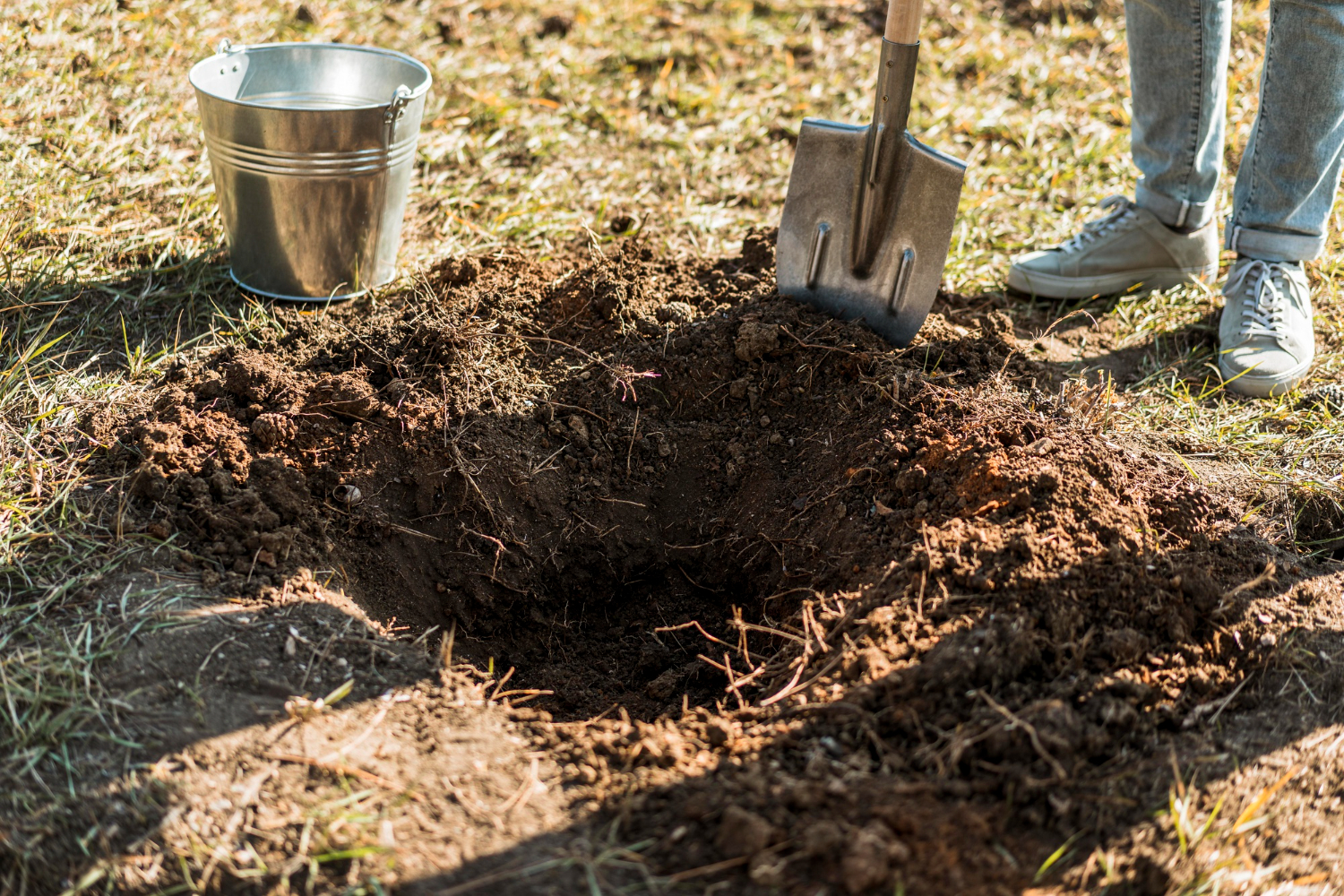
Several years ago, I visited a used book sale in its final hours before closing. The deal was hard to beat - fill a box for just a few dollars. My children added many books to the stack, and we were soon headed home with a hefty collection of ‘new’ books. Because the selection had already been picked through for several days by savvy bookworms, I did not plan on finding much of value. To my surprise, I stumbled upon a little gem of a book that has become one of my favorites—not for its pictures or its rich vocabulary but for its startlingly realistic glimpse into the thought-world of a young child.
The book is called A Hole Is to Dig: A First Book of First Definitions by Ruth Krauss (1952). I would describe it as one of those books for children whose secondary purpose is to entertain adults. The book begins with a small note of thanks to the students of several nursery schools and kindergartens, presumably for their contributions and inspiration for writing the book. Patterned after its title, the book includes page after page of simplistic ‘definitions’ that are not altogether intuitive to the more mature mind (Krauss, 1952):
- “Mashed potatoes are to give everyone enough” (p. 1).
- “Dogs are to kiss people” (p. 5).
- “A lap is so you don’t get crumbs on the floor” (p. 26)
- And my personal favorite: “A floor is so you don’t fall in the hole your house is in” (p. 38).
As fun as it is to browse through the book and to chuckle at the undeveloped perspectives, it may be equally unsettling to realize that we as ‘grown-ups’ are not always so sophisticated in our thinking either. Seeing through a glass, darkly, tends to be our default. We can become so accustomed to seeing the world (i.e. our classrooms) through a foggy lens that it can be difficult to identify when we have slipped into thinking patterns like those displayed above. Consider the following statements:
- A test is to give so that the gradebook is filled.
- Student desks are to rearrange every nine weeks.
- A bulletin board is to stress out the teacher about how to best display his (absence of) artistic talent.
Like the quotes above from Krauss’s book, these statements demonstrate a lack of clear purpose; something about the ends and the means do not fully align. For example, most hosts in their meal planning have a desire to ensure all the guests will be adequately served. This objective is not accomplished by adding mashed potatoes to the menu but rather by strategically planning out serving sizes and purchasing sufficient ingredients. The mashed potatoes are merely an efficient tool for accomplishing the task. I may be embarrassed as the host if some of my company goes without eating because I thought whipping up some mashed potatoes would be adequate for the need. In another example, it may be nice to look at the floor during a meal to see how effectively everyone’s laps have protected it from becoming covered with crumbs, but taking a long-range view makes one wonder what it will look like once everyone stands up. There are likely better ways to keep the floor clean, but as long as we maintain that laps are the answer, we will likely not brainstorm to identify a better solution.
For teachers, the question is this: are there routines in our school day that we take for granted? If so, what are they? How could these tasks or routines be improved? By identifying these areas, we open up exciting opportunities to innovate, improve our teaching, and create a classroom that runs more smoothly.
In the earliest years of my teaching, I distinctly remember the large bulletin board in the front of my classroom. When I looked at the expansive blank surface, I saw a clean canvas on which to create a veritable work of art. I went about setting up the rest of the classroom to my specifications, and all the while, I thought about what masterpiece I would create that would stun my students, my fellow staff members, and all the guests who would pass by my room. Needless to say, this extraordinary amount of pressure made me start and restart dozens of times. How would it be decorated? What cute, snappy pun would fit the theme? In the end, my board earned a few compliments, added a little to the room’s atmosphere, but contributed absolutely nothing to the students’ learning.
I will never forget the day I stumbled upon the idea of functional bulletin boards—displays that were not purely decorative but that contributed to the learning environment. An effective use of bulletin boards is to display student work without adding many extra ‘frills’—let the students’ work communicate their learning without distraction. Other bulletin boards are informative or interactive and are meant to display reference material that will benefit students. In creating my present bulletin board, I have invested in some nicely themed fabric as a backdrop (bye-bye unwieldy bulletin board paper), some sturdy burlap for the frame, and reserved the space expressly for reference material my students will need on a regular basis. Perhaps the best part of all is that I can reuse it year after year, if I wish. No, it will not end up in the Met or the Louvre, but it has saved me immense amounts of time—and it is something that my students and I actually use. A bulletin board is not meant to be an added stressor.
Consider the other classroom items or practices mentioned above: tests, student desks, grading, etc. Now ask yourself this: what are they for? Be prepared for an answer that may be different from how it is currently being used. Regarding tests, we often default to giving tests because ‘It’s time to give a test!’ or ‘I better get at least one more test grade before the end of the quarter’. There may be times when these statements are valid, but perhaps the better thought would be ‘We are at a point in the study when it would be helpful to measure how much students have learned.’ For student desks, I like to move these as needed and prefer not to restrict myself to a certain time frame. Scheduling a desk change can be helpful, but students quickly come to expect (i.e. demand) it after just a few times.
I have once heard it said that the spring of the school year is the best time to experiment with our teaching to see how routines and structure may be improved. By this time, our students are hopefully operating well in the current systems and will likely enjoy the opportunity to try something new. As a middle grades teacher, I am usually up front about this with my class, and I generally tell them that I would like to try an experiment to see how well we can make something work. They are usually more than happy to oblige!
As we think about the routines and tasks in our classrooms, where are the opportunities for some rethinking (Grant, 2021)?
References
Grant, A. (2021). Think again: The power of knowing what you don't know. Viking.
Krauss, R. (1952). A hole is to dig: A first book of first definitions. Harper & Row, Publishers.
Image by Freepik.
Tips for Improving Classroom Engagement
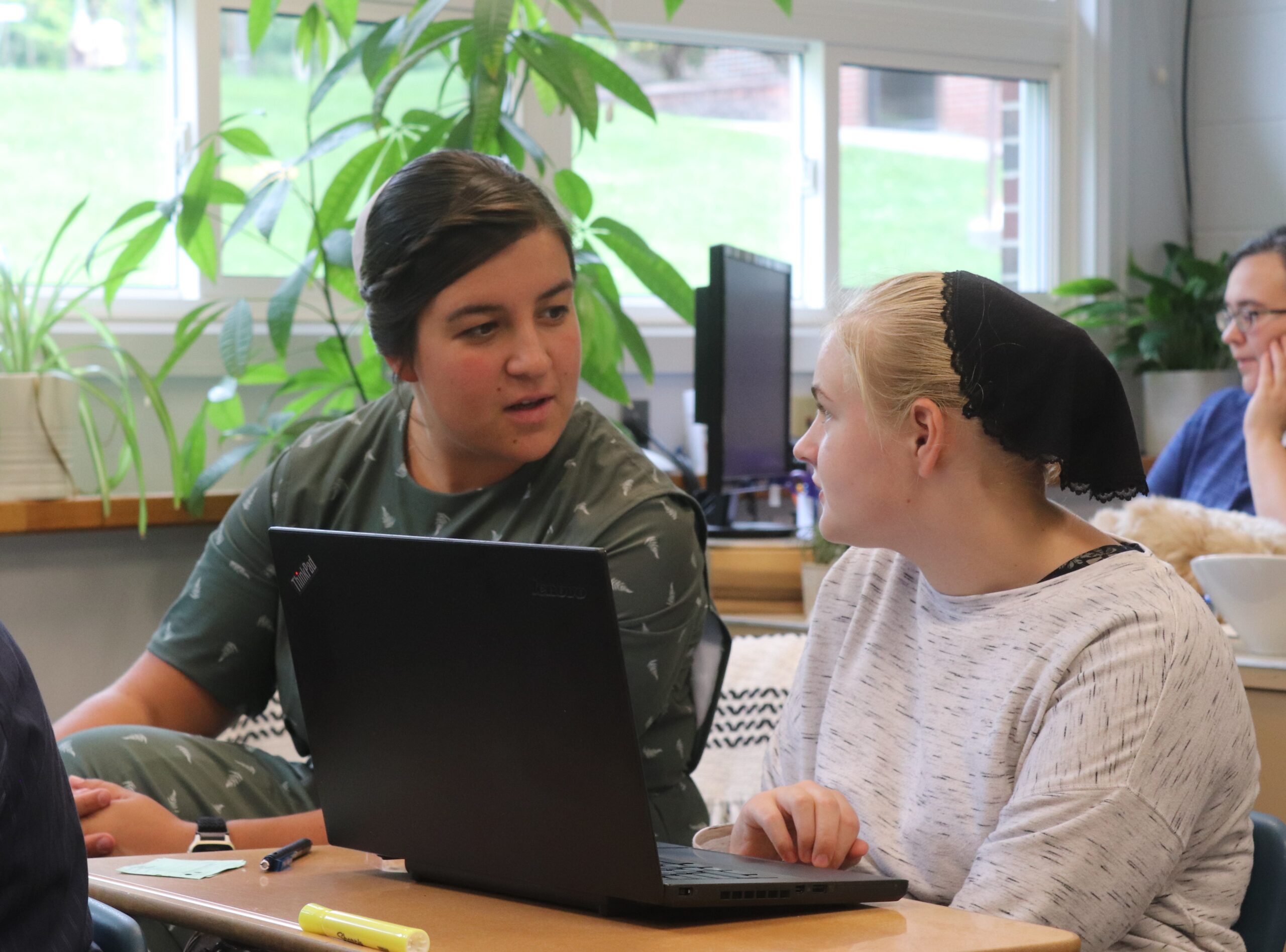
I will confess to you that I find it difficult to pay attention to a sermon or lecture. As a primarily visual learner, I would much rather read a book than listen to a podcast. I have had to learn ways to compensate for my lack of listening skills, and I know that I need to take deliberate steps (such as taking notes) to keep my mind from wandering. If I as an educated adult find it difficult to sit and listen for long stretches of time, how much more difficult must it be for our young students? How can we keep their minds engaged in learning? Here are a few simple tips that I have found useful in my classroom.
Keep them moving. This is especially important for lower elementary students. Children have boundless energy, and it works best if we learn to put that energy to good use rather than trying to suppress it. Generally, I do not keep my students sitting for more than fifteen or twenty minutes at a time. We get up and do stretches or exercises between classes. We stand and recite poetry or Bible memory with vigorous motions. In history class, we get up and act out parts of the story I have just read. Sometimes when we need a break (especially if beautiful weather outside is calling), we go out and run a lap around the school building.
Have everyone participate with fingers. This is a very simple tool that quickly elevates participation and engagement and can be used in many ways. For instance, when we are reviewing nouns, I might have sentences on the board and say, “Count all the nouns in sentence one. When you are ready, put your fists up. When I say ‘Go,’ show me with your fingers the number of nouns you counted.” For a review of important people we studied in a unit in history, I write the people’s names on the board along with a number. Then I read various facts about them. Students show me with their fingers which person the fact matches with.
Have everyone write. Instead of the classic “teacher asks a question and the smart, confident kids are the only ones who answer,” have everyone write an answer. My students all have small whiteboards and markers in their desks that we use for this, but scrap paper works as well. This can be used for various subjects, but the basic idea is to have everyone interact with a question by writing an answer. Sometimes I ask everyone to hold up their boards to show me what they have written. Sometimes I call on one or two students to tell their answers to the class. This can be a good way to get shy, hesitant students to share their ideas and answers. I can say to that type of student, “I see you have a good answer written down. Please read it to the class.”
Encourage peer teaching. Students are sometimes astonishingly good at being each other’s teachers. Doing paired activities is a great way to get everyone involved and to have students learn from each other. I especially like to do this in math class. When working practice problems, I have students do problems on their own and then compare answers with the person beside them. If the answers do not match, they need to work together to find mistakes.
Incorporate humor. Our classrooms ought to be places of joy where laughter is frequent. Break up a tedious lesson by telling a joke. Laugh at your own mistakes. Sometimes it is just fine to put work aside and be silly for a little while.
It is impossible to have all our students paying perfect attention one hundred percent of the time. Yet it should be our goal to increase that percentage and to keep our students engaged in learning.

Kindergarten intern in urban school.
Hampden Christian School in Baltimore is looking for a kindergarten intern.
HCS serves a middle-class urban community, and our mission is growing flourishing students who love God. Currently we serve around 80 students infant-8th grade and have 19 full time staff. We provide housing, professional development opportunities, and competitive pay for those who commit to two years or more. New Growth Learning, our sister school in Williamsport, PA, is also seeking daycare teachers. See our website at Get Involved | Urban Mennonite Ministries (ummschools.org) for a complete list.
Contact Darrell Hershberger, dbh@hampdencs.org, for more information.
Teachers Needed at Maranatha Christian School
Maranatha is an established school with a wide support base. It began in 1972 and now has 155 students and 23 staff members. For the school year 2025-26, we are looking to hire for the following positions:
- 5th grade teacher
- Elementary Principal
- teacher for Barton students

“Come to the Kingdom for Such a Time as This” (Esther 4:14)
Is teaching a calling or a profession? Esther's bravery in the face of adversity serves as a model for educators, emphasizing the importance of recognizing teaching as a calling rather than just a profession. Using stories Robert Bowman highlights the significance of humility, courage, and perseverance in fulfilling one's role in education. Ultimately, the message encourages educators to view their work as part of a divine calling and to trust in the impact they can have on the lives of their students, echoing Esther's timeless question: "Who knows? But you have been called to the kingdom for such a time as this."

Savants—The Extraordinary
How can we learn to recognize and nurture the unique abilities of every student?Kervin Martin explores the exceptional abilities of savants, individuals with disabilities who excel in areas such as mathematics, music, and art. Examples include those who have overcome challenges like blindness, autism, and brain damage to showcase remarkable memory and cognitive skills. The stories of individuals like Orlando Serrell, Jason Paget, and Derek Amato highlight the potential that all humans possess but may have lost over time.
- 261Page 37