All Content
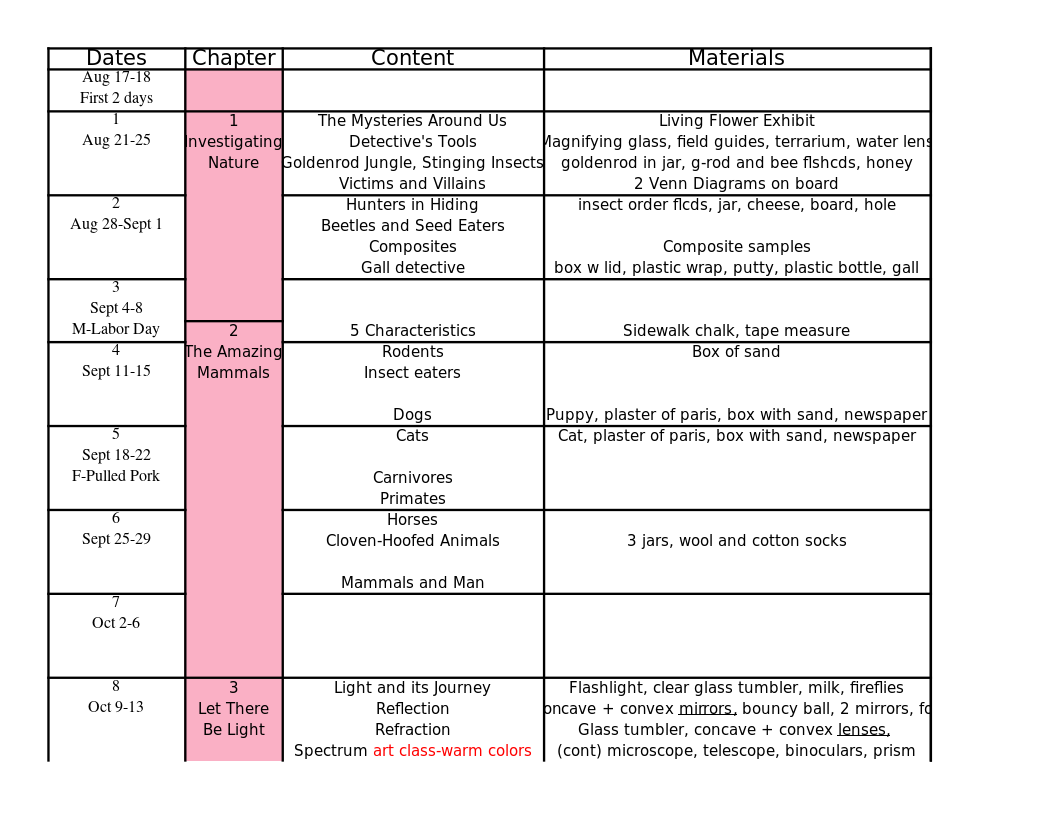
Course Calendar for A Beka 5th Grade Science
A course calendar for 5th grade A Beka Science. Miss Nolt switched the order of the chapters so she would teach A Beka Health the third quarter instead of at the end of the year. A great example of taking a subject and laying it out in an Excel spreadsheet before school begins to think through how you want to teach it that year.
¿Lo Entiendes? How Your Students Can Understand What They Read
 Image by congerdesign from Pixabay
Imagine asking your students to raise their hands if they think they can read. If you aren’t teaching kindergarten or first grade, I’m guessing most, if not all, would raise their hands. Now imagine having them read a story, then asking them to raise their hands if they understood what they just read. You probably won’t see as many hands shooting up. Why the difference?
Read the following sentence:
Si puede reconocer y pronunciar las palabras en la página, pero no entiende los que significan, ¿puede realmente decir que puede leer?Unless you are fluent in Spanish, you probably didn’t understand it. Here is a rough translation: "If you can recognize and pronounce the words on the page, but don’t understand what they mean, can you really say that you can read?”
Just like an English speaker trying to read Spanish, if your students don’t understand what they are reading, they won’t get anything from it.
Reading is much more than just recognizing the words and being able to say them. I can memorize how to pronounce hundreds of Spanish words, but if I don’t know what they mean, I can’t say that I know how to read Spanish. Why do students who can "read” so often struggle with comprehending what they read?
Why Don’t They Understand?
There are many possible reasons why students are struggling to comprehend, but it can often be traced to several core issues.
- Difficulty decoding words and reading fluently: Some students struggle to understand (decode) individual words. You can imagine how comprehension would be hindered if students don’t know what words mean. Also, some students who can decode words will struggle to comprehend if they are unable to read fluently. Students who can’t read fluently will use so much of their mental energy just to read and understand the individual words that they will be unable to comprehend the overall meaning of a sentence or paragraph.
- Reading too rapidly: Students may be able to decode words and read fluently, but they read so fast that they skim the text and miss important information.
- Lack of background knowledge: Students understand the meaning of text in the context of what they already know. If your students live in an agrarian community, they will have no trouble understanding a story about a boy who milks a cow. If, however, you read them a story about a young girl living in Tahiti during the 1700s, they won’t have many “hooks” to help them understand what is happening in the story.
- Poor reading strategies: All experienced readers unconsciously use strategies to understand difficult texts. One example of this is monitoring understanding. If you don’t understand what you just read, you will go back and read the paragraph or page you didn’t quite understand. Some students will use these strategies without being taught, but others need specific instruction on how to use reading strategies.
How Can You Increase Your Students’ Comprehension?
There are several methods you can use to help your students increase their reading comprehension.
- Give background information: Explain any background information necessary for students to better understand what they are going to read. Is it an unfamiliar period of history or an area of the world they don’t know much about? This background information will help students better understand the new information they are about to read.
- Ask comprehension questions: The goal of any questions you have your students answer is to help them engage with the text and teach them reading comprehension. Once your students have read the story or text, ask them a variety of questions about what they just read. Ask some simple, factual questions, and some that require them to read between the lines. You should also stop in the middle of stories to ask to students to reflect on what has happened or have them predict what is about to happen.
- Model reading strategies: Read your students a story or text while thinking aloud and using reading strategies. You can model monitoring understanding by stopping in the middle of the story and saying, “I don’t understand what this sentence is saying, Maybe I should back up and reread this whole paragraph again.” By modeling reading strategies in "think-alouds,” you are showing your students what good readers do.
Teaching Reading Strategies
Now let’s look at some of the reading strategies experienced readers use and some ways you can teach students how to use them.
- Previewing: Previewing the story before reading allows the reader to gather background information and context.
- Ask your students, “What does the title of the story tell us? What can we learn by looking at the cover of the book or other artwork?”
- Discuss the background of the story if the setting is unfamiliar to your students.
- Questioning: Questioning give the reader a purpose for reading and engages them in the story.
- Ask students what they want to learn from the story.
- Teach students to wonder about the text. Ask, “What questions do you want answered?”
- Ask students questions the story can then answer for them. They will then have a purpose for reading the story.
- Predicting: Predicting what will happen in a story makes readers pay more attention to see if their predictions are correct.
- Before they read a story, ask students to predict what might happen in the story.
- After the story, ask them if their predictions were correct.
- Visualizing: Visualizing the characters and setting in a story “brings the story to life.” It seems more real and will be understood better if it is visualized.
- Teach students to visualize what is happening in the story.
- Ask students what they think a character or setting looks like.
- Relating material to prior knowledge: Connecting what a reader does know with what he doesn’t know helps him to better understand what he is reading.
- Help students make connections with what they already know.
- Have students ask themselves questions. “Does this story remind me of anything that happened to me or someone I know?” “Have I learned about this in school?”
- Summarizing: Summarizing helps readers gain a better understanding of the overall meaning of a section of text by finding the text’s main point.
- Ask students to tell the story in their own words.
- Teach students to summarize what happened in the story.
- Sequencing: Sequencing details or events in the correct order such as chronological, cause-and-effect, and so on, helps readers see how parts of a story relate to each other.
- Ask students to tell you when different events occurred in the story.
- Ask them what the effect of a character’s action was or which action caused a certain effect.
- Inferring: Inferring, or reading between the lines, helps readers find information that is not clearly written in the text.
- Ask the students comprehension questions that require them to infer meaning from the text.
- Have your students write their own comprehension questions.
- Monitoring understanding: Good readers know when they are not understanding a text and will reread a difficult sentence or paragraph until they understand it.
- Teach students to think about whether they are comprehending a section of text.
- Teach them to be willing to reread it or slow their reading if they don’t understand it.
- Have students ask questions about what they don’t understand in a story. Model this behavior to students so they know how to do it.
If you want to try modeling reading strategies to your students, download the “Do You Understand” printout and use the story and comprehension questions in it.
https://thedockforlearning.org/contributions/do-you-understand-strategies-for-reading-comprehension-with-the-golden-windows/
Suggested Reading
The subject of teaching reading comprehension is a complex topic a short blog post cannot fully explore. I recommend you do more reading and research about modeling reading strategies if you have students who are struggling with reading comprehension. Following are some websites with resources for modeling reading strategies.
Modeling on ActivelyLearn.comThink-Alouds on ReadingRockets.comModelled Reading in the Literacy Teaching Toolkit of the Government of VictoriaModel Strategies To Improve Reading Comprehension on TeachHub.com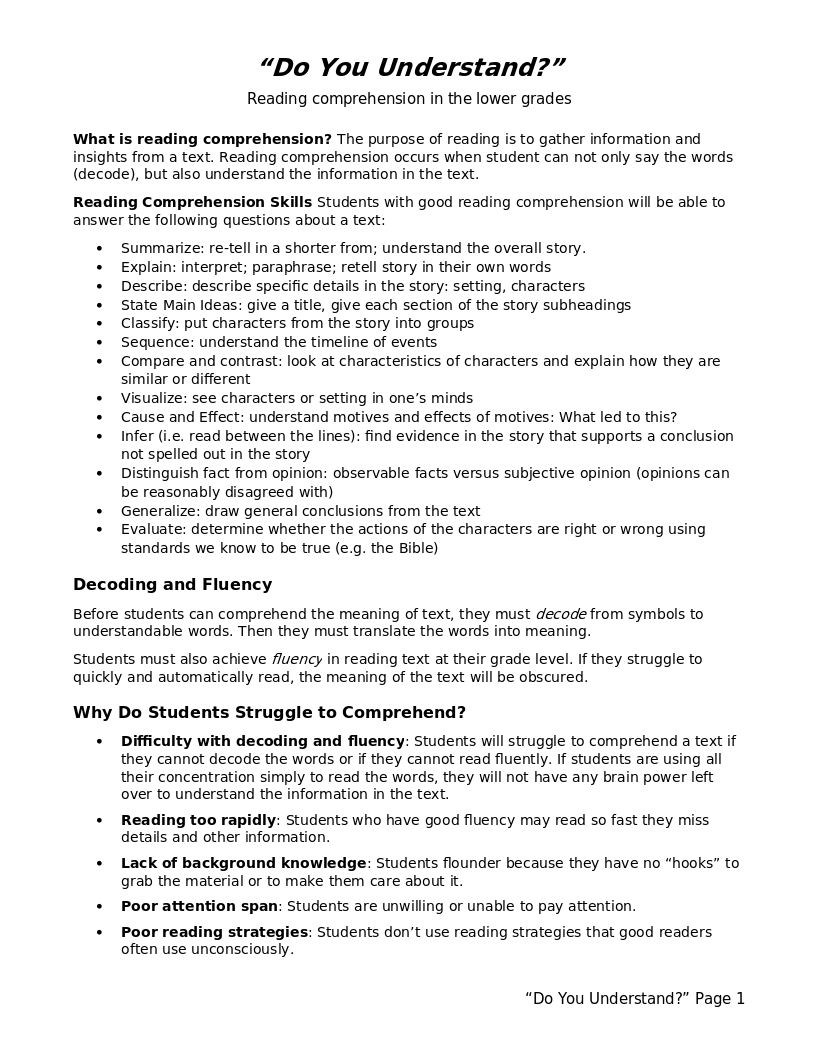
Do You Understand? Strategies for Reading Comprehension (with "The Golden Windows")
 Image by Pexels from Pixabay
How can you enable your students to understand books and stories that are too hard for them now? James lists strategies to move beyond mere pronunciation to real comprehension.
Don't miss the classic story "The Golden Windows" and the comprehension questions that accompany it.
Also see James' post on reading comprehension:
https://thedockforlearning.org/contributions/lo-entiendes-how-your-students-can-understand-what-they-read/

Choose Your Attitude
Does the thought of teaching invigorate you, or has the classroom become misery? Anthony calls us to depend, always, on the Lord, and to curb the influences that can drag down our teaching. This excerpt was taken from a longer talk, Re-Igniting the Passion to Teach presented at Teachers Week 2018.

Classroom Fun Days
 Image by Davide Baraldi via Pexels
- Valentine Party —I took this time to invite the students’ moms to spend the afternoon with us, playing games and having a snack. The students enjoyed helping to decorate our classroom. I also made a Hershey Kiss rose for them to take along.
- Do school kits or care packs for other countries.
- Make butter. We shook heavy whipping cream in a jar and made We enjoyed it on homemade bread and crackers.
- Earn supplies to go on a picnic. They earned things such as bread, jelly, peanut butter, juice bottles, plates, and Oreos. Then we went by a river and had a picnic.
- Snow fun—Mix water and food coloring in a spray bottle. Paint pictures on the snow.
- Career Day—I had students come dressed up as a farmer, policeman, nurse, baker, and builder.
- Learning the “A”sound—I read the book Johnny Appleseed while they munched on apples and wore a kettle on their heads.
- Cooked lobsters—They really enjoyed watching it change color and eating it.
- Make a replica. We made replica of our school and outside buildings, using small boxes and popsicle sticks.
- Make a simple snack mix to give to older folks at church.
- Write a story using stickers in place of some words.They really enjoyed this type of story writing.
- Make personal pizzas for lunch.
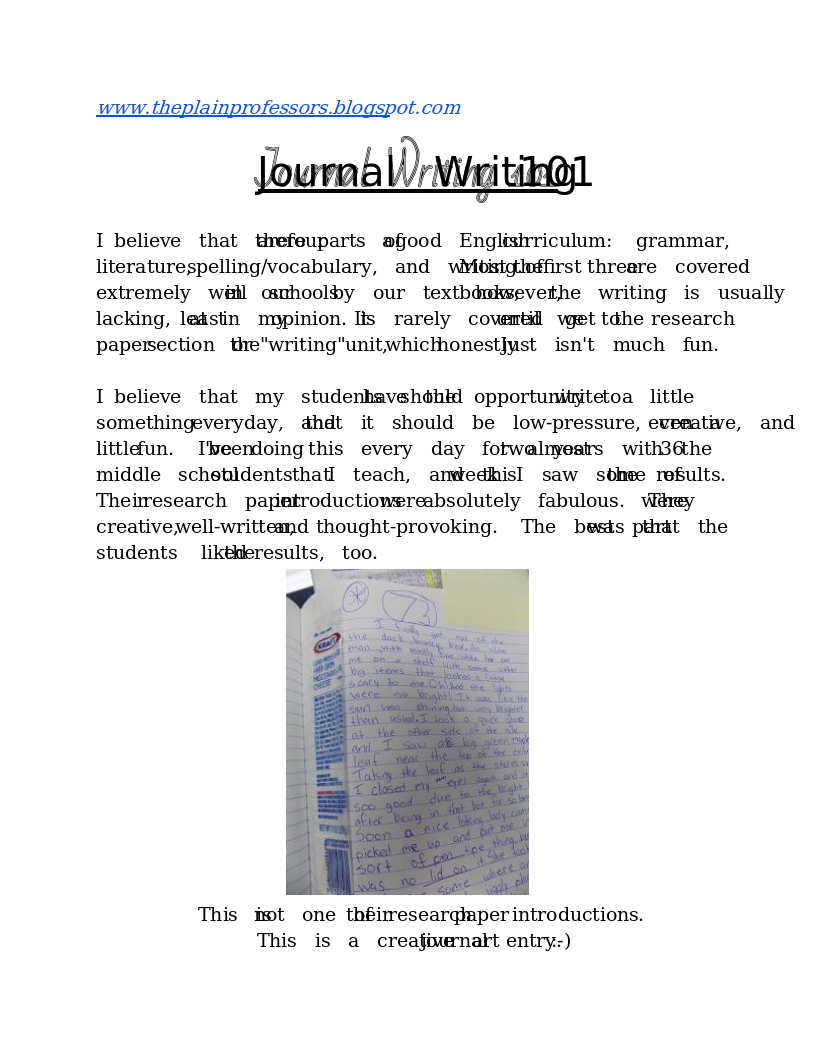
Journal Writing 101
In this short ebook, Deana offers suggestions for having students write a few sentences daily, painlessly (hopefully). Students develop creative writing in concert with creative illustration and crafts.
Preview the document below or download it now.

Upper Elementary Teacher Needed in Sturgis
We are in need of a teacher for grades 3-4 and 5-6. Please contact Paul Yoder, the administrator, if you or someone you know is interested in teaching in beautiful southwest Michigan. We use CLE curriculum and are offering CLE training. School is in session from mid/late August to mid May.
Civitas Teachers Manual
The teachers' manual gives instructions for playing the classroom game of civilization-building.
Download the manual, or preview it below.
For an explanation of Civitas, be sure to watch Austin's introductory video.
Civitas Components
This zip folder contains the printable components for Civitas:
- Cards representing wood, grain, ore, and other supplies
- The continent image
- Cards representing soldiers, cities, and schools
- Cards representing production facilities, ships, and wagons
- Binder inserts
- Graphics resources
For an explanation of Civitas, be sure to watch Austin's introductory video:
https://thedockforlearning.org/audiovideo/civitas-a-classroom-game-for-learning-how-civilizations-grow/


Five Winter Read-Alouds for the Elementary Classroom
 Photo by Mael BALLAND on Unsplash
Winter is the perfect time to find a cozy book and snuggle down to read. In a classroom where literacy is of great importance, students always enjoy a good read from the teacher. These five books are not only winter stories but also have other literary and academic elements that you can enjoy together as a class.
The Snowy Nap
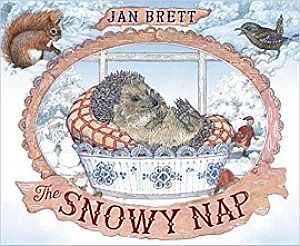 Jan Brett is a favorite author of mine. In this book, she uses animal characters to discuss the favorite aspects of winter. As the hedgehog heads toward his winter burrow to hibernate for the winter, he is reminded by his animal friends of all the things he will miss as he snores the winter away. Because it all sounds too wonderful to miss, he decides to stay awake in order to see the winter beauty.
As you read the book, notice the pictures in the side margins. They provide the perfect opportunity to teach about foreshadowing. Authors generally use words and phrases to give you a mind-picture of what may be coming later in the story. Jan Brett takes the concept even further and gives you an image of an upcoming event. For example, on the page prior to discussing with the billy goat the merits of winter, the billy goat is pictured in a small frame in the margin of the previous page. If you find that your students enjoy this book, you may want to follow it up with another of her books, The Mitten.
Winter is Coming
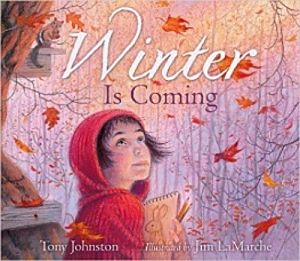 Ideally, this book would be read in the late autumn as winter approaches and your scholars start to take note of the change in weather and nature. Johnston captures the beauty of taking time to sit and observe as the season changes. On every page layout, there is an image and rhythmic text that captures an event that takes place in nature as winter approaches. Throughout the book, you will notice the observer using her journal, pencil and crayon, eyes and ears, and her binoculars to take note and record her observations in her journal.
This book is the perfect springboard to beginning a seasonal writing project or nature journal. Since our autumn has already turned into winter right now, you could start a winter season writing project where the students document an aspect of the winter season on each page. And because winter will soon be turning into spring, you could also use this book to introduce nature journaling to your students where they take time each day to bundle up, go outside, and take note of one thing around them that is happening as spring approaches.
First Snow in the Woods
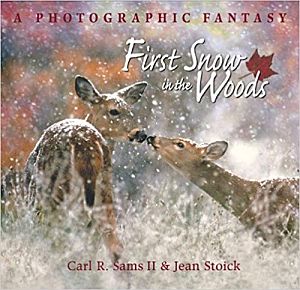 This book is composed of actual photographs that Sams and Stoick captured and combined to tell the story of snow coming to the woods. The characters of the photographs, forest animals, discuss among themselves the signs of the first snow approaching. The pictures are stunning and the authors have done a fabulous job of giving words to creatures who have no words.
This is the type of book that is perfect for an early scholar to understand the concept of fantasy and fiction. Fiction and the imagination are limitless, and for many children, it is too overwhelming. But in this fantasy, the setting is ordinary. Children know these characters. The concept of seasons and certain weather patterns approaching and leaving is something they have encountered since they were infants. The only fanciful or fiction element is that of putting words to what the animals are thinking and discussing among themselves. When students are first broached with the idea of writing a fantasy, they can have a hard time knowing where to begin but after reading First Snow in the Woods and leading them through a class exercise of compiling a story about zoo animals on the first day of spring, they should be able to write their own fanciful fiction about a barn of farm animals during a thunderstorm. If you feel like you could use more fanciful fiction writing ideas, use one of their other books such as Stranger in the Forest as a springboard.
Sleep Tight Farm: A Farm Prepares for Winter
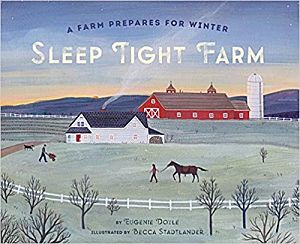 In this charming book, Doyle and Standtlander lead the reader through the preparation that a farm encounters as it readies for winter. All spring, summer, and autumn long the farm has worked to provide for the family. And now, as it enters winter, the family prepares the farm for a restful sleep. The authors not only capture the cycle of farming but also the necessity of both work and rest.
After reading this book, lead the students in a discussion about other naturally occurring cycles that God instituted. Night and day, the four seasons, the food chain, and the water cycle were all put into place by an orderly God. As a creative exercise, use this book as the launching point for either a writing or an art assignment and have the students compile a book or several pictures depicting another cycle that God ordained.
Home
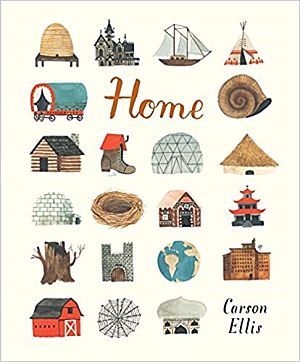 A book with detailed illustrations and few words, this book was certainly compiled by an artist. Throughout the book, you will see a variety of homes from all over the world. Because we live in the Northern Hemisphere, winter time is typically a time when your scholars begin to spend time inside their home instead of in the great outdoors. It is a time where we greatly appreciate the coziness of a lighted fireplace and warm blankets on our beds.
Use this book as the starting point in an art lesson. After reading the book, direct their attention back to the cover. Hold a discussion with them about each home and the homeowner such as a snail shell and snail, Native American and wigwam, and the story of the little old woman who lived in a shoe. After this discussion, allow them to create a visual of a home where the other students will guess the intended home owner.

Civitas: A Classroom Game for Learning How Civilizations Grow
I'm a dreamer and I love to dream big. When I was told that I was teaching world history last year, I thought, "Man, it would be excellent if we could show them how to start a civilization. Go away in the woods for a week or so and just give them nothing, they have to figure out how to start a fire and get water and all that." My wife said, "Well, that's not quite realistic, but what about if we just make a game?" I said, "Wow, that's a great idea."
We started dreaming and took some index cards and dreamed on them and wrote down some rules and created different pieces and did some graphic design and had a lot of fun, and I came up with the game Civitas. With this game, it's a lot like Settlers, but it's designed for classroom use. Students earn money to use for the game based on their test scores, and then after they have that money, they are required to buy the essentials, which is water and fire and tools. Then they start making food. If they run out of food, all their people die except for their initial three people that they started with, or they can sell their people to a different civilization.
Last year, since we were talking about world history, we gave them each a continent. We had three teams in this room and three continents, and they got to choose which one they wanted, and they all started growing and it was really fun to watch.
This year I'm teaching American history, so I changed it up a little bit. We started with just one continent here and the little island there to represent Europe, and then there was nothing out here in this wide, blue sea. On their own, they had to decide whether they wanted to venture out. Once they ventured out, we started giving them one little piece of the continent at a time as they discovered it. This is Civitas New World and we're having a lot of fun with it this year.
A little bit about the parts: This 4X8 sheet of metal was donated by a local metal shop. The continents are pieces of magnet, and then the little playing pieces are all magnets as well. It's a lot of fun to play around with that. We created a binder that got a little bit out of hand, a little too big, with the money, with all the different types of resources and all the playing pieces for the board. It was a lot of fun, and it is not yet mass produced, but if you're interested, let me know.
Elementary Teacher Needed
Osceola Christian School is seeking a teacher for the 2020-2021 school term. Teaching experience is required. Large, stable school, with 80+ students. Supportive, 5 member school board, along with a leadership team made up of the high school career teachers.Grades 3&4, 16 Students.Contact Chairman Ernie Weaver - ernie@ernieweaver.com
Should Christians Study Plato and Aristotle?
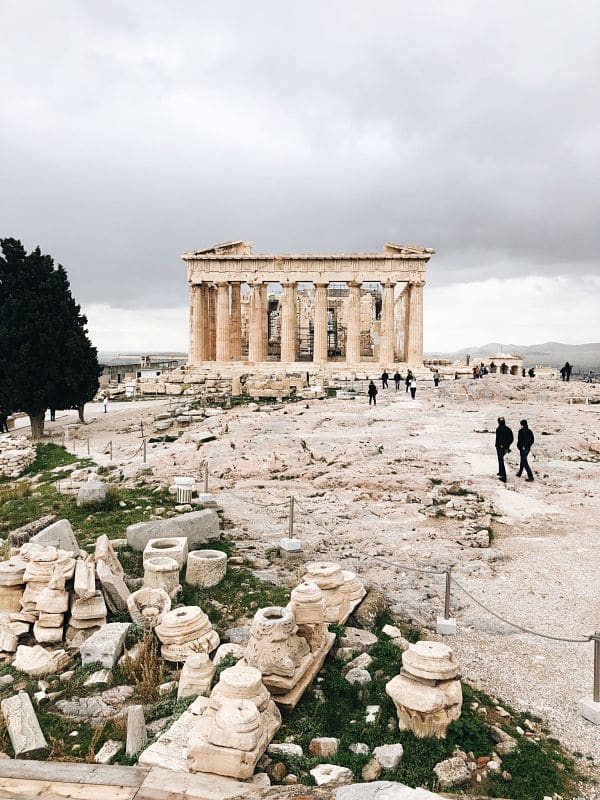 Photo by Iuliia Isakova on Unsplash
A man who has not read Homer is like a man who has not seen the ocean. There is a great object of which he has no idea. -Walter Bagehot
Homer, Socrates, Plato, and Aristotle and other classical Greek and Roman thinkers were for centuries considered, in the Western hemisphere, necessary to a good education. Today they are still considered important thinkers, but less vital to an education as high schools and universities stretch to include modern authors, women, and minorities in their humanities studies. Interestingly, Christian schools and teachers often emphasize classical learning far more than secular schools, even though these men were, in fact, pagans who lived before the time of Christ, in societies that bowed to a pantheon of gods. This Christian love of classic literature started eons ago, and monks who copied down copious volumes for their monastery libraries are the sole reason we have such ready access to these ancient thinkers today.
Is it justifiable for Christian students to learn from pagan myth-tellers and philosophers? What good could come from it? To answer these questions, let’s look at worldviews. (I am indebted to Dr. Daniel R. Spanjer’s lectures series for many of the following thoughts and analogies.)
The Ancient Worldview
The ancients believed themselves to be ruled by dozens of gods, and they lived in fear of angering those gods. In exchange for health, happiness, safety, prosperity, and a hundred other desires, they did whatever the gods asked of them, even going so far as to sacrifice their children if that is what the gods demanded. Their adherence to the gods produced in them a slavish obedience and a way of living that catered to their animal appetites. In the words of Dr. Spanjer, “When we learn to simply service our appetites, we learn to love unlovely things.”
The Hebrew Worldview
The Hebrew worldview danced to a different drummer. In the Hebrew mindset, people answered not to gods but to the Word of God as spoken through Moses and the prophets. They were motivated to serve Him not through fear, but through love, and the highest aim in life was to gain wisdom from careful study of and obedience to the Hebrew scriptures. Interestingly, some scholars think that because of their similarity of thought, Greek thinkers such as Plato and Aristotle borrowed from the Hebrews. Justin Martyr, a Christian apologist who was martyred for his faith in 165 A.D, said in an early defense of the Christian faith that Plato had taken from Genesis his teaching that God created the world from preexistent, shapeless matter.
The Classic Worldview
Plato, Aristotle, and other Greek thinkers questioned the worship of many gods. Plato advised against teaching children the ancient legends in which gods committed atrocities even humans would shudder to think of. He taught that we on earth see only shadows of ultimate reality, a reality perfectly good, true, and beautiful. Glimpses of this reality could only be obtained through deep thought and study. He and other Greek philosophers, or “lovers of wisdom,” taught that people should not be slaves to their own passions, but should keep their desires in balance as they worked for the good of society and, through knowledge, learned to discern the truly good and beautiful.
The Four Causes
It is worth looking further at the Greek understanding of metaphysics. Aristotle taught that reality consists of four causes. To make these causes easier to understand, we will compare them to the building of a house.
- First or Primary Cause This is what Aristotle called the Unmoved Mover, the force that put everything else into motion without itself being moved. It is the design, the grand plan, that which causes to be. In a house, you would call it the blueprint.
- Material Cause This is matter. In a house, the wood, metals, and other materials of which the building is made.
- Efficient Cause This is energy and movement. In our house analogy, it is the workers who build the house.
- Teleological or Final Cause In Greek thought, all of reality moved in patterned design toward a certain destination. For this reason, the end, not just the beginning, influenced what was. In our analogy, this would be the finished house.
The Greeks viewed the world holistically. It had a cause and was moving in created patterns toward a pre-ordained destination. This way of thinking fit easily into the Christian worldview, which taught a Creator that existed before physical reality and a future consummation of all things. Because of this underlying similarity, many Greeks easily accepted Christianity and Christian thinkers built naturally from the thoughts of the Greek thinkers preceding them.
The Secular Worldview
For centuries, the classical way of looking at the world prevailed in the Western world for Bible believers and non-believers alike. Because we are young and have a short view of history, few of us realize how radically the Enlightenment and the secular age which sprang from it have changed the way we interact with the world. The Enlightenment did not divorce God from the world, but began to question whether God controls all aspects of physical reality or whether these things are controlled by physical laws we can see and measure. The secular view goes further and says the universe we know with our senses is the sum of what there is. Religion, in this view, is fine, as long as it remains personal and doesn’t impinge on the rights and freedoms of others. An individual’s ability to pursue “life, liberty, and happiness” is the greatest good because it is the only good. Every circumstance is the sole result of material and efficient causes. War is the product of culture and propaganda, hunger the result of a failed economy, and a man or woman’s character a combination of their education, their experiences, and their genes.
A focus on physical reality is not wrong or evil—in fact, it has produced many advances in science and technology—but it does fail to account for a greater, ultimate reality. Some have said that the modern secular mindset has circled back to that of the ancients, to once again being governed by physical realities and appetites. Instead of bowing before a pantheon of hungry gods, we worship science, sex, business, and pleasure, slavishly obedient to their demands in our push to pursue our own destination and satiate our own appetites.
So, is there a benefit to Christians in studying classical authors?
The Bigger Picture
Yes, especially if we teach with a view to the larger picture. If a student can grasp how these authors wrote into an evolving understanding of the way the world works—both drawing from and adding to that conversation—if they can further understand that today’s prevailing worldviews are only a small set of gears on a much larger wheel, they will be in a better position to analyze and understand the thought trends of today.
A Reasonable Faith
In addition, the classical authors rely heavily on logic, a position in which Christianity has traditionally thrived. Jesus came as Logos, the Word, and Justin Martyr went so far as to say that any man who lived according to Logos was really a Christian, even though he lived before Jesus’ human birth. Peter asks us to be ready to give the reason of the hope that we have, and the early Christians did so with astuteness, using both Hebrew scripture and the teachings of the philosophers to give a sound defense of their faith. Studying the classics can aid students in adding to this historic Christian dialogue.
For Me Personally
Studying classical versus secular worldviews opened my eyes to a secular perspective I had long accepted without realizing it. That perspective says that a person is the product of their past. It makes sense. My Christian beliefs and lifestyle are the result of Christians who came before me, and the women I know in jail are there because of a combination of drug addictions and traumatic childhoods. Partly because of this simple black and white equation, I have long struggled with the biblical teaching of hell. Punishment for people who are formed by their circumstances is clearly unfair. But studying classical thought and realizing how greatly it contrasts with modern society’s viewpoint caused me to question my own easy acceptance of it. Is a person really the product of their past?
As Christians, we believe the Bible holds the ultimate answer to that. However, studying what humans have said through the centuries will open our eyes to our own blind spots and help us to “rightly discern the Word of Truth.”
Justin Martyr. “The First Apology of Justin Martyr.” From the translations of Marcus Dods, D.D. We Don’t Speak Great Things, We Live them. Scroll Publishing, 1989. ibid.