top of page

Maintaining Student Engagement
Maintaining Student EngagementDocument
00:00 / 01:04
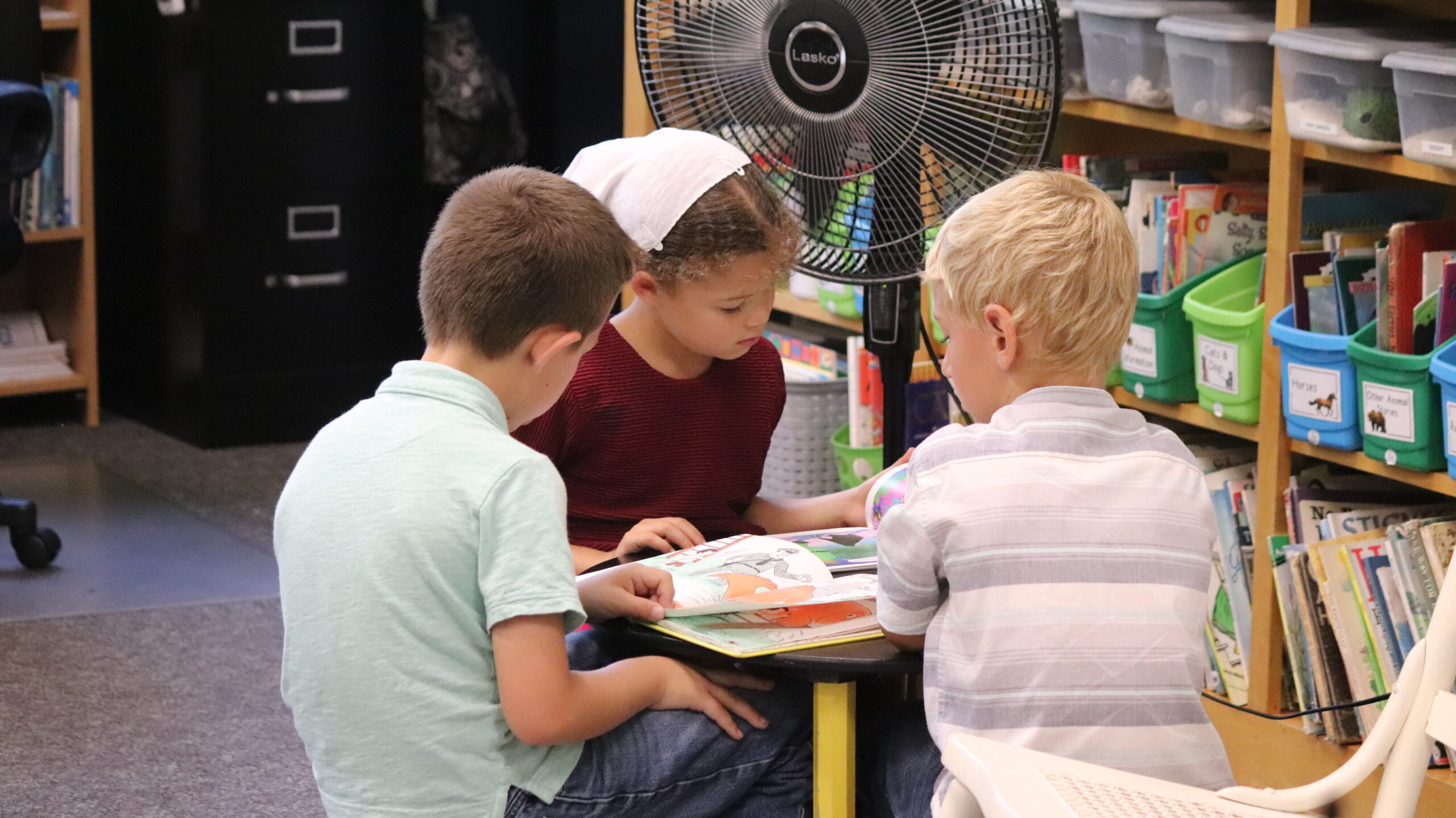
- Part of your job as a teacher is to not only present material, but to present it in such a way that it makes your students want to learn it.
- Find ways to give your students tactile learning experiences, where they can interact physically with the learning material.
- Consider students’ individual interests, talents, personalities, and motivation levels when planning instruction.
- When choosing a learning activity, aim for one that involves students in a meaningful way. Avoid busy work or tedious activities for no greater purpose than filling time.
- Student disengagement or behavior problems are sometimes the result of activities not being learner-friendly. Put work into creating interesting learning experiences that draw on students’ natural curiosity.
- An overwhelmed child is usually an unengaged child. Be aware of the range of learning abilities in your classroom and be willing to differentiate activities as needed for students who struggle.
- Tactics to keep students engaged:
- Varying voice tone
- Using humor
- Varying the intensity of the lesson
- Clarifying the purpose of the lesson
- Asking questions
- Brainstorming together
- Having students work in pairs/groups
- Assigning manageable independent tasks
- Sharing personal examples
- Doing role-play
- Using visual aids
- Keep students moving physically
- Involve all students in answering questions by using small whiteboards or scrap pieces of paper. Instead of only hearing from the smart, confident students, this allows everyone to engage with the material and gives you as the teacher an opportunity to call on shy, hesitant students when you can already see they have answered correctly.
- Don’t try to compete with distractions. At times, you may need to remove the distraction before moving on with the lesson (for example, a bee is flying around the classroom). Other times, you may need to pause for a moment and experience the moment together (for example, the first snow of the season is falling outside the windows).
Sources
- Effective Instruction in the Classroom - The Dock for Learning
- Tips for Improving Classroom Engagement - The Dock for Learning
- Finding Ways to Get Them Excited: Going beyond the Lecture with Objects and Color - The Dock for Learning

bottom of page